Mortgage Rates Hit 7.45% as Bond Selloff Deepens
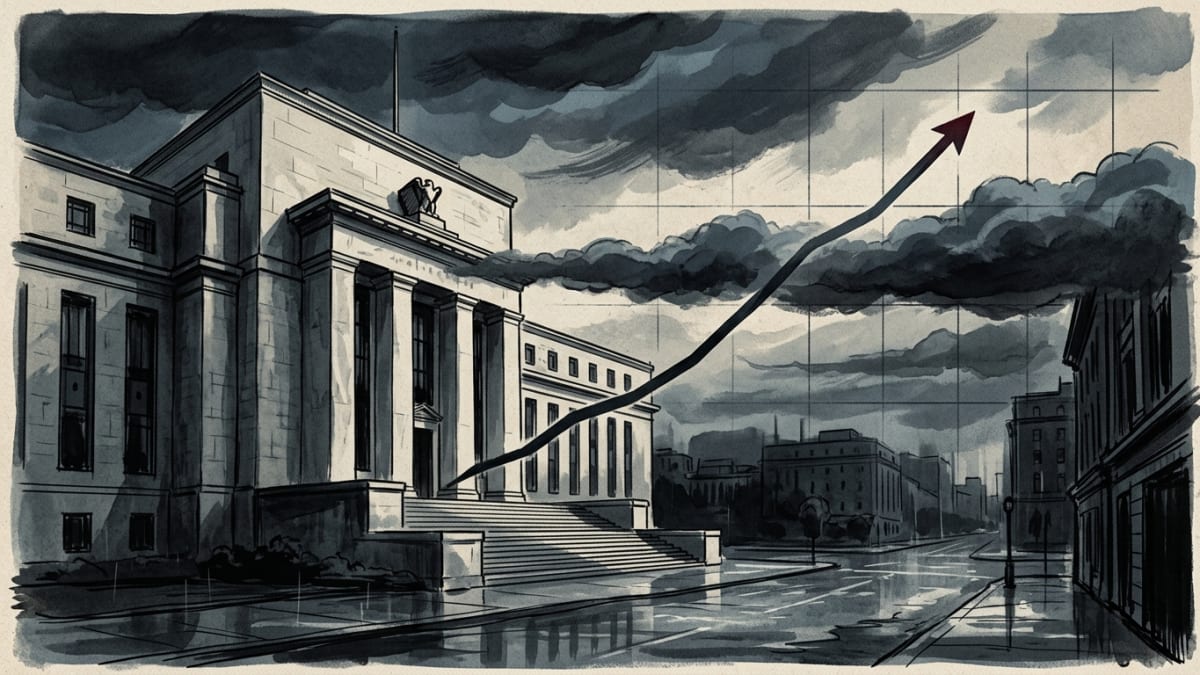
The average 30-year fixed mortgage rate climbed to 7.45% Thursday, its highest since April 2024, as a global bond selloff pushed the 30-year Treasury yield to a two-decade high.
The Morning Brief Desk · September 25, 2026 · Based on reporting by CNBC
The 30-year fixed mortgage rate rose to 7.45% on Thursday, according to CNBC, reaching its highest level since April 2024. The move came as long-dated government bonds sold off around the world and Treasury yields climbed.
On the same day, the 30-year Treasury yield hit its highest mark since 2004, Axios reported. The selloff has been accelerating, with investors demanding higher yields to hold long-dated government debt. Two forces are driving the rout, according to Axios: concerns about inflation and heavy government borrowing.
The jump in mortgage rates follows directly from the bond market. Mortgage rates closely track the 10-year Treasury yield, which is up sharply. As Treasury yields rise, borrowing costs increase across the economy, and homebuyers are among the first to feel it. MarketWatch reported that some analysts now say 8% mortgage rates are "not an impossibility" given the pace of the move and an economic outlook that remains unclear. How long the selloff continues, and how high rates ultimately go, remains an open question.
The context
Thursday's 7.45% reading marks a return to territory last seen in April 2024, ending a stretch in which mortgage rates had stayed below that level. The trigger is not the housing market itself but the bond market that sits behind it. Long-dated Treasurys have been falling in price, and yields rising, as part of a global selloff. Axios attributes the rout to two related pressures: investor worry about inflation, which erodes the value of fixed bond payments over time, and heavy government borrowing, which increases the supply of debt investors must absorb. Both push investors to demand more compensation for holding bonds with long maturities. The 30-year Treasury yield reaching its highest point since 2004 illustrates how far that repricing has gone. Because the 10-year Treasury serves as the benchmark for mortgage pricing, its sharp rise has flowed almost immediately into the rates lenders quote homebuyers.
Why it matters
This is a pocketbook story with wide reach. Higher mortgage rates raise monthly payments for anyone buying a home or refinancing, and at 7.45%, affordability tightens for buyers already contending with elevated prices. The effects extend beyond housing: rising Treasury yields push up borrowing costs across the economy, touching businesses and consumers alike, and bond price declines affect portfolios, including retirement accounts. If analysts cited by MarketWatch are right that 8% mortgage rates are possible, the squeeze on homebuyers could intensify from here.
What’s next
The key variables to watch are the 10-year Treasury yield, which mortgage rates track most closely, and whether the global bond selloff continues to accelerate or stabilizes. Analysts cited by MarketWatch have flagged 8% as a possible level for mortgage rates, though that outcome is not assured. The economic outlook remains unclear, per MarketWatch, and how inflation data and government borrowing needs evolve will shape where yields, and mortgage rates, go from here.
Sources
CNBC — 30-year fixed mortgage rate jumps sharply Thursday to 7.45%
The 30-year fixed mortgage rate surged to 7.45%, its highest level since April 2024, as bonds sold off and Treasury yields climbed.
Axios — Why Treasury yields are ripping higher
The 30-year Treasury bond climbed to its highest level since 2004 amid an accelerating bond selloff driven by inflation concerns and heavy government borrowing.
MarketWatch — 8% mortgage rates are 'not an impossibility' as the 30-year fixed rate surges
With the 10-year Treasury up sharply and the economic outlook unclear, some analysts say 8% mortgage rates are back on the table for American homebuyers.
See a mistake? Report an error