Fed Set for First Rate Hike in Three Years
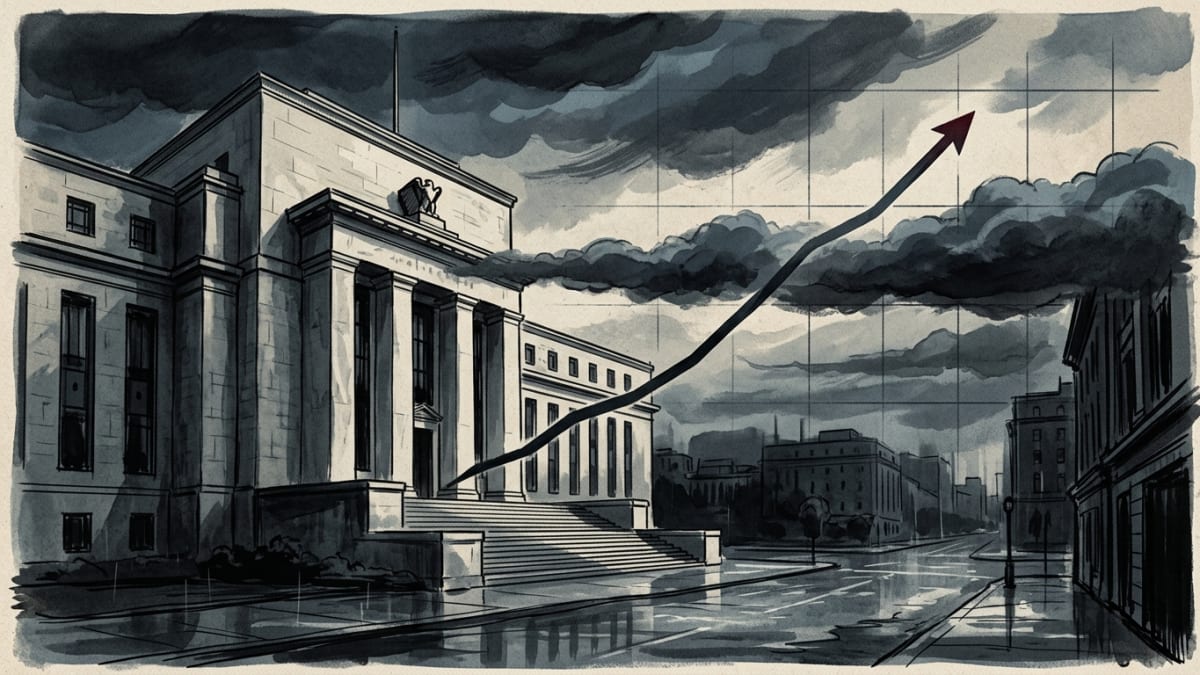
The 10-year Treasury yield topped 5% for the first time since 2007 as the Federal Reserve prepared to raise its benchmark rate Wednesday for the first time in three years.
The Morning Brief Desk · September 15, 2026 · Based on reporting by AP News
The yield on the 10-year Treasury note climbed above 5% Tuesday, a level last seen in 2007, as a selloff in government bonds spread through markets worldwide. Reuters reported that sovereign yields rose globally, unsettling stock markets and borrowers a day before the Federal Reserve's scheduled policy decision.
The move in bonds coincided with a rapid shift on Wall Street. Morgan Stanley late Monday changed its forecast to call for a rate increase at this week's Federal Open Market Committee meeting, joining Goldman Sachs, which had already made the same switch, MarketWatch reported. With two of the largest investment banks revising their calls at the last minute, forecasters across Wall Street are converging on the expectation that the Fed will tighten policy.
Policymakers are widely expected to raise the central bank's benchmark short-term interest rate Wednesday, according to AP News. It would be the Fed's first increase in three years, and the stated purpose is to combat inflation that has proved stubborn. A hike would also place the central bank directly at odds with President Trump, AP reported, though the material available does not detail the president's specific objections or any White House response ahead of the meeting.
The context
The Fed has not raised its benchmark rate in three years, and the 10-year Treasury yield had not closed above 5% since 2007, making Tuesday's move a nearly two-decade milestone for the bond market. The selloff was not confined to the United States; Reuters reported that sovereign bond yields rose worldwide, amplifying pressure on stocks and on anyone who borrows at rates tied to Treasurys. Against that backdrop, expectations for Wednesday's meeting shifted quickly. Goldman Sachs changed its forecast to a hike first, and Morgan Stanley followed late Monday, per MarketWatch. The driving concern, according to AP News, is inflation that has remained persistent enough to push policymakers toward tightening despite the friction it creates with the president. How long inflation has run above the Fed's comfort level, and at what pace, is not specified in the available material.
Why it matters
The Fed's benchmark rate influences borrowing costs across the economy, so a first increase in three years would touch mortgages, consumer and business loans, and retirement portfolios such as 401(k) accounts. The 10-year Treasury yield is a reference point for long-term borrowing, and its move above 5% -- the highest since 2007 -- raises costs for governments, companies and homebuyers even before the Fed acts. The decision also carries political weight: raising rates would put the central bank in direct conflict with President Trump, testing the Fed's independence at a moment when markets are already unsettled.
What’s next
The Federal Reserve announces its decision Wednesday. Key questions include whether policymakers deliver the hike Wall Street now expects, the size of any increase, and what signals officials send about further moves -- none of which is detailed in the available material. Also worth watching: whether bond yields keep climbing after the decision, how stocks respond, and any reaction from President Trump if the Fed raises rates over his objections.
Sources
AP News — Federal Reserve expected to raise its benchmark rate, defying Trump
The Fed is widely expected to lift its short-term rate Wednesday for the first time in three years to fight stubborn inflation, putting the central bank at odds with President Trump.
Reuters — Bond selloff drives US benchmark beyond 5%; stocks rattled
The 10-year Treasury yield hit a nearly two-decade high above 5% as sovereign yields climbed globally, rattling stocks and borrowers ahead of the Fed decision.
MarketWatch — Morgan Stanley joins Goldman Sachs in 11th-hour switch to forecasting a Fed hike
Morgan Stanley late Monday joined Goldman Sachs in changing its call to a rate hike at this week's FOMC meeting, as Wall Street converges on a tightening outcome.
See a mistake? Report an error