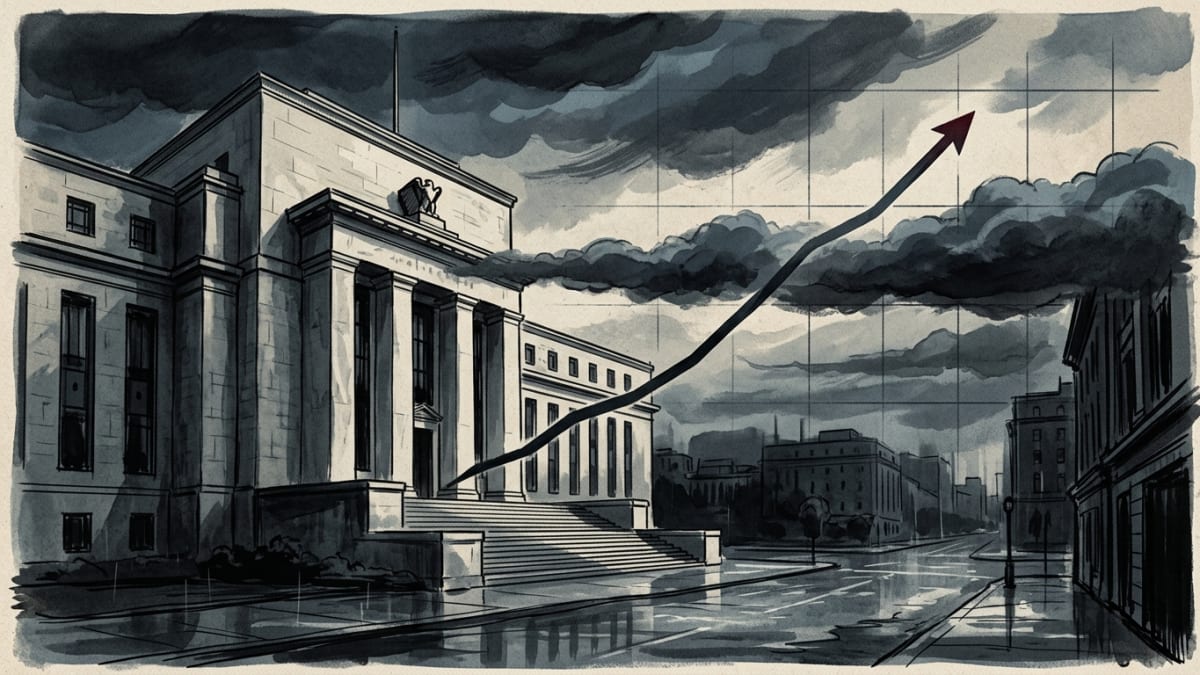
30-Year Treasury Yield Hits Highest Since 2004
The 30-year Treasury yield climbed Thursday to its highest level since 2004, one day after the 10-year yield closed at 5.11%, its highest since 2007.
The Morning Brief Desk · September 24, 2026 · Based on reporting by CNBC Top News
The yield on the 30-year U.S. Treasury bond rose Thursday to its highest level since 2004, extending a sell-off in government debt that has pushed borrowing costs to multi-decade highs. The move followed Wednesday's close in the benchmark 10-year Treasury yield at 5.11%, a level not seen since 2007, according to The Hill.
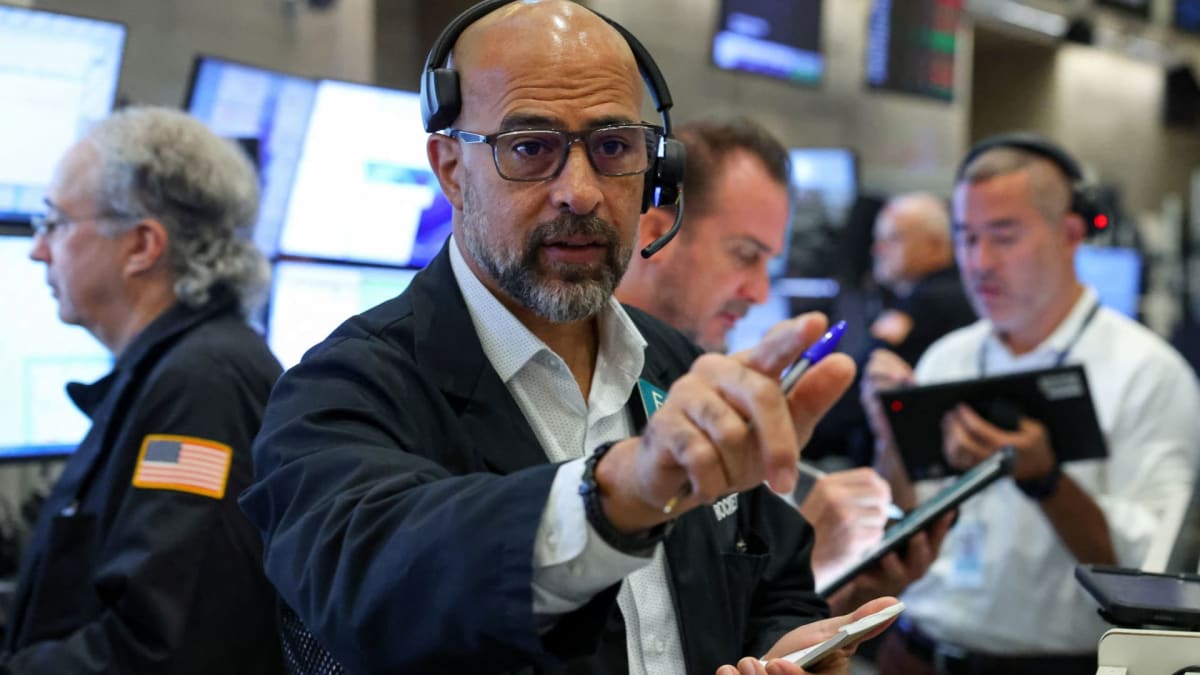
The climb in yields weighed on stocks Thursday, CNBC reported, as investors weighed persistent inflation concerns against growing expectations that the Federal Reserve will raise interest rates again. Fed officials have signaled that further hikes are likely, reinforcing bets in bond markets that borrowing costs will stay elevated.
Several forces are feeding the sell-off. The war involving Iran and rising U.S. government debt have deepened the decline in Treasury prices, The Hill reported. At the same time, oil's return to $105 a barrel is adding to inflation pressure, according to the Financial Times. Because bond prices move inversely to yields, the sustained selling has translated directly into higher rates across the Treasury curve, from the benchmark 10-year note to the long-dated 30-year bond.
The context
Thursday's move caps a two-day stretch of milestones in the Treasury market. The 10-year yield, which serves as a reference point for mortgage rates and corporate borrowing costs, reached a 19-year high when it closed at 5.11% Wednesday. The 30-year yield followed a day later with its own multi-decade mark, the highest since 2004.
The sell-off is unfolding against a backdrop of rising U.S. government debt and geopolitical strain from the Iran war, both cited by The Hill as factors deepening the decline. Energy prices are compounding the problem: with oil back at $105 a barrel, inflation pressure is building just as Federal Reserve officials indicate more rate increases may be coming. The Financial Times reported that the strain has spread beyond the United States, with the Treasury sell-off pushing up borrowing costs for governments worldwide.
Why it matters
Treasury yields set the baseline for borrowing costs across the economy, so multi-decade highs ripple into mortgages, corporate loans, and government interest bills. Rising yields also pressured stocks Thursday, affecting retirement accounts and investment portfolios. The effects are not confined to the U.S.: the Financial Times reported that higher yields are squeezing public finances globally, raising costs for governments already carrying heavy debt loads. With the Fed signaling more hikes and oil at $105 stoking inflation, the pressure on rates could persist.
What’s next
The key question is whether the Federal Reserve follows through on the further rate hikes its officials are signaling, and how bond markets respond. Watch whether oil holds at or above $105 a barrel, which would add to inflation pressure, and whether the Iran war and rising U.S. debt continue to weigh on Treasury prices. The timing of any Fed decision was not specified in the material available.
Sources
CNBC Top News — 30-year Treasury yield hits highest level since 2004
Treasury yields extended their climb Thursday after hitting a 19-year high Wednesday, pressuring stocks as inflation fears and rate-hike bets mount.
The Hill — 10-year Treasury yield spikes to highest point since 2007
The benchmark 10-year yield closed at 5.11 percent, its highest since 2007, amid the Iran war, rising government debt, and a continuing bond sell-off.
Financial Times — Global bond sell-off deepens as oil climbs back to $105$ Subscription
Rising yields are straining public finances worldwide after a brutal sell-off in US Treasuries, with oil back at $105 adding to inflation pressure.
See a mistake? Report an error