Fed Set for First Rate Hike Since 2023
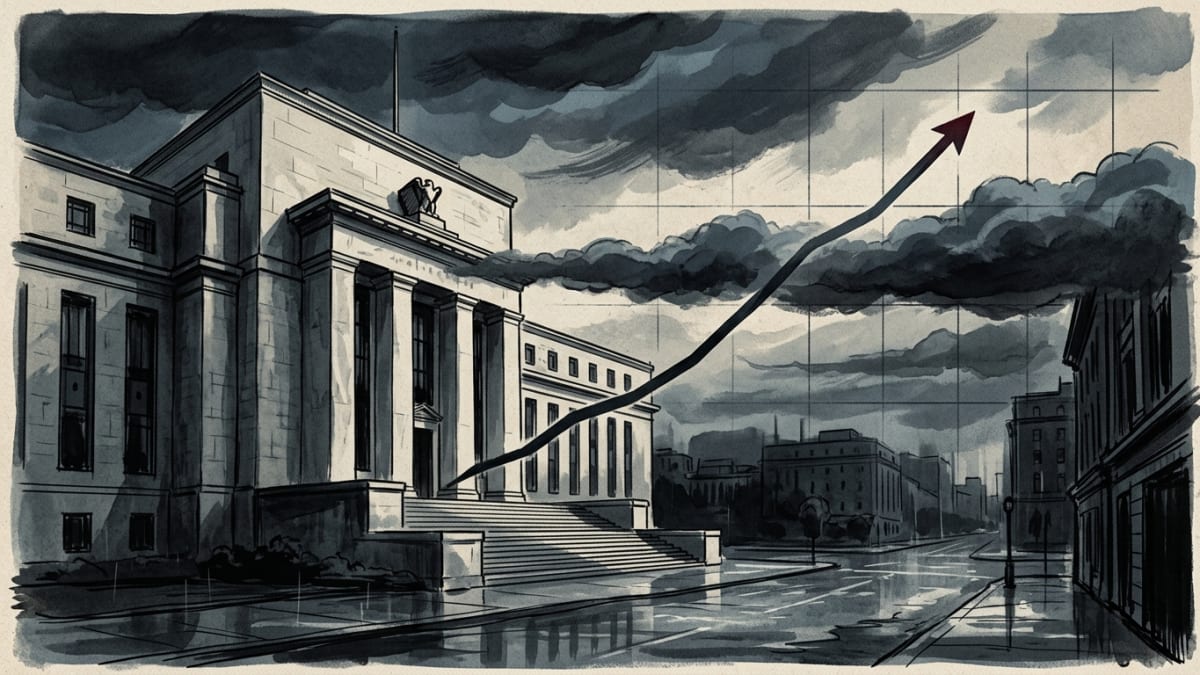
The Federal Reserve concludes its September meeting Wednesday, with markets widely expecting the first increase in its benchmark rate since 2023 as inflation persists and 10-year Treasury yields top 5%.
The Morning Brief Desk · September 16, 2026 · Based on reporting by NPR News
The Federal Reserve wraps up its September policy meeting Wednesday, and investors broadly anticipate the central bank will raise its benchmark interest rate for the first time since 2023. The expected move is aimed at combating inflation that has remained stubborn, according to NPR News.
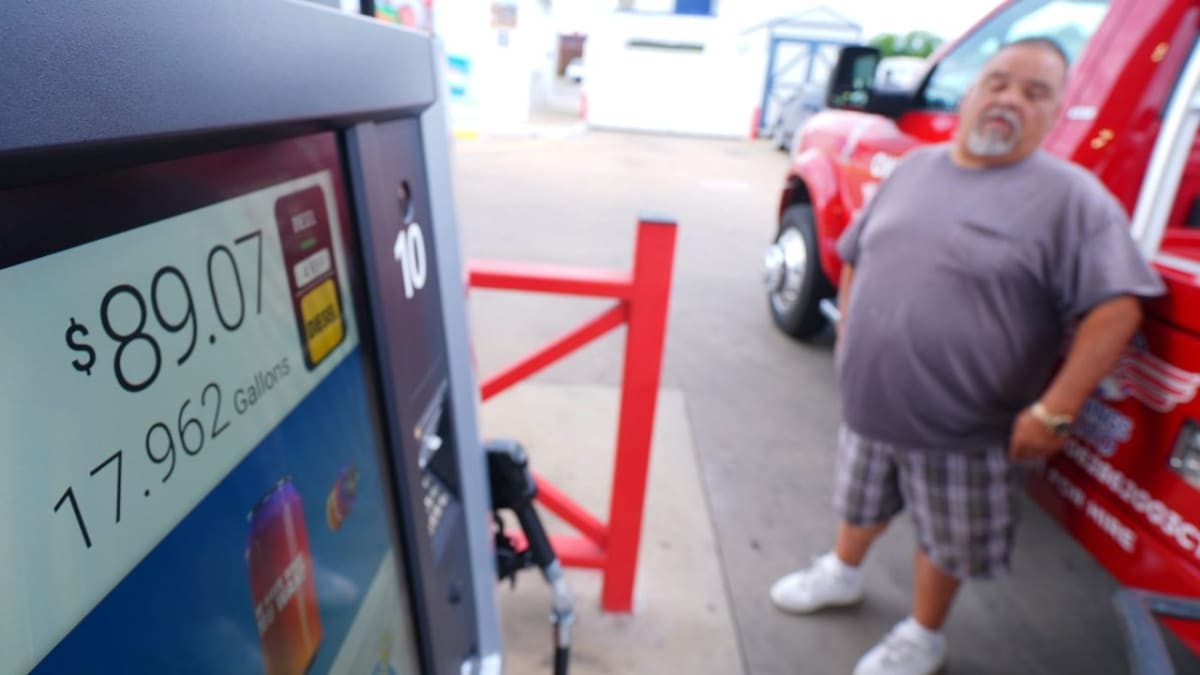
A higher benchmark rate would filter through to consumers by pushing up borrowing costs on car loans, credit cards and mortgages. Bond markets are already positioning for the outcome: the yield on the 10-year Treasury note sits above 5%, its highest level since before the 2008 financial crisis, CNBC reported.
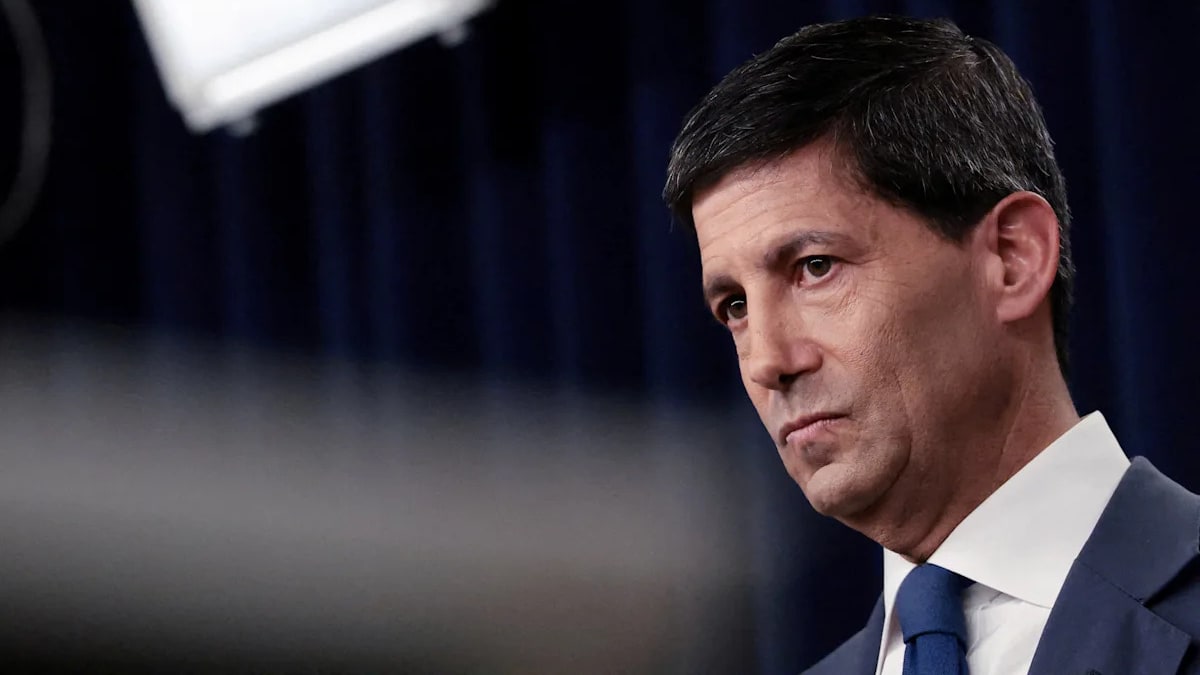
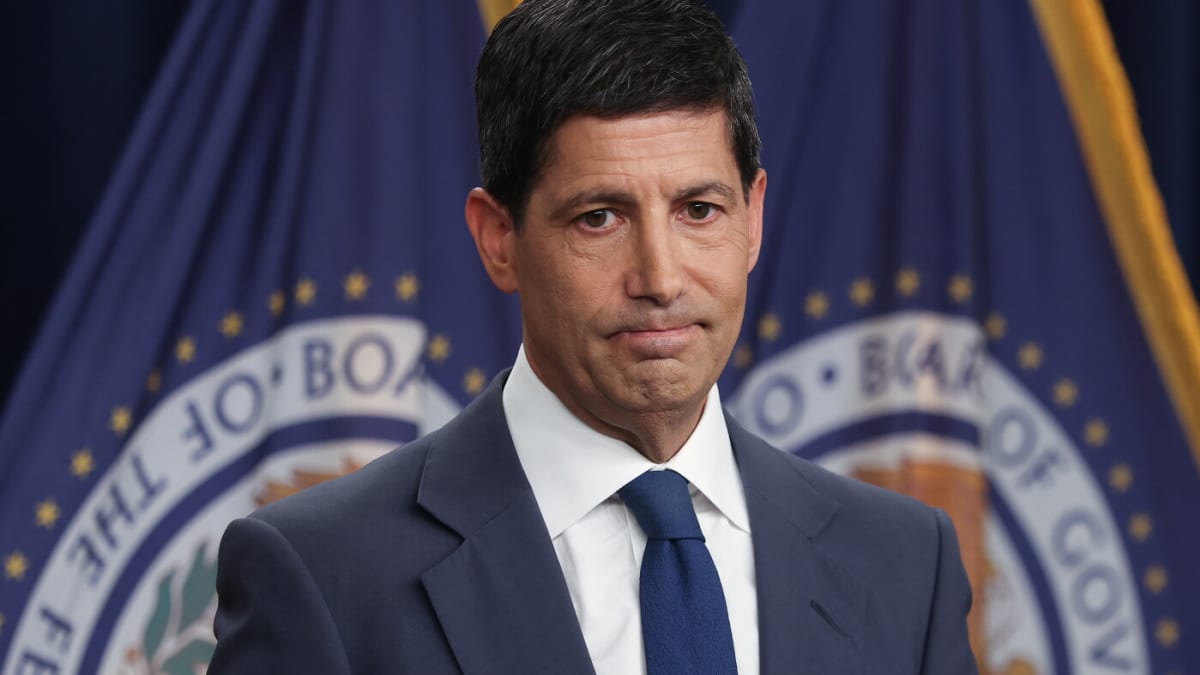
The decision arrives amid unusual political friction. Fed Chair Kevin Warsh faces a collision between market expectations that have built toward a hike and open pressure from President Trump, who has demanded the central bank keep rates down, The Hill reported. That leaves Warsh weighing a policy step that markets have largely priced in against explicit opposition from the White House. How the Fed frames the decision -- and whether Warsh addresses the president's demands directly -- will be closely watched when the outcome is announced Wednesday.
The context
The Fed has not raised its benchmark rate since 2023, making Wednesday's expected move the first increase in roughly three years. Over that stretch, inflation has proved persistent enough that the central bank is now widely expected to tighten policy again, per NPR News.
Expectations for a hike did not build in a vacuum. Bond investors have been adjusting for months, and the 10-year Treasury yield's climb past 5% -- a threshold not seen since before the 2008 financial crisis -- reflects how firmly markets have come to anticipate higher rates, according to CNBC. At the same time, President Trump has publicly pressed the Fed to hold rates down, setting up the standoff now facing Warsh. The material does not detail how long Warsh has led the Fed or what specific rate level the central bank is expected to set.
Why it matters
A rate increase after three years would touch nearly every American household that borrows or saves. Higher benchmark rates translate into costlier car loans, credit card balances and mortgages, while the 10-year Treasury yield above 5% -- a near-20-year high -- already signals tighter financial conditions across the economy. The decision also tests the Fed's independence: Warsh must choose between validating market expectations for a hike and yielding to a president who has openly demanded lower rates. Wednesday is decision day, not anticipation -- the outcome lands immediately.
What’s next
The Fed announces its decision Wednesday as the September meeting concludes. Key questions remain open: the size of any rate increase, how the Fed will characterize the inflation outlook, and whether Warsh will respond to President Trump's public pressure. Bond markets, with the 10-year yield already above 5%, will react quickly to both the decision and any signals about the path of rates from here.
Sources
NPR News — The Fed is expected to raise interest rates for the first time in 3 years
The Fed is widely expected to raise its benchmark rate Wednesday to combat stubborn inflation, raising borrowing costs on cars, credit cards and mortgages.
The Hill — Warsh under pressure as Fed considers rate hike
Fed Chair Kevin Warsh faces a collision between rising market expectations of a hike and President Trump's demands to hold rates down.
CNBC — Yield on 10-year Treasury hovers above 5% as investors await Fed decision
The 10-year Treasury yield sits above 5% — its highest level since before the 2008 financial crisis — as markets brace for the Fed's expected hike.
See a mistake? Report an error