U.S. Bans $1 Billion in Canadian Imports
A U.S. ban on nearly C$1 billion ($710 million) in Canadian imports, including liquor, whey products and motorcycles, took effect early Tuesday amid stalled trade talks between the two countries.

The Morning Brief Desk · September 29, 2026 · Based on reporting by AP News
The United States began enforcing a ban on nearly C$1 billion ($710 million) worth of Canadian imports early Tuesday, the Associated Press reported. The prohibition covers Canadian liquor exported to the U.S., whey products used in protein powder, and motorcycles, according to the BBC.
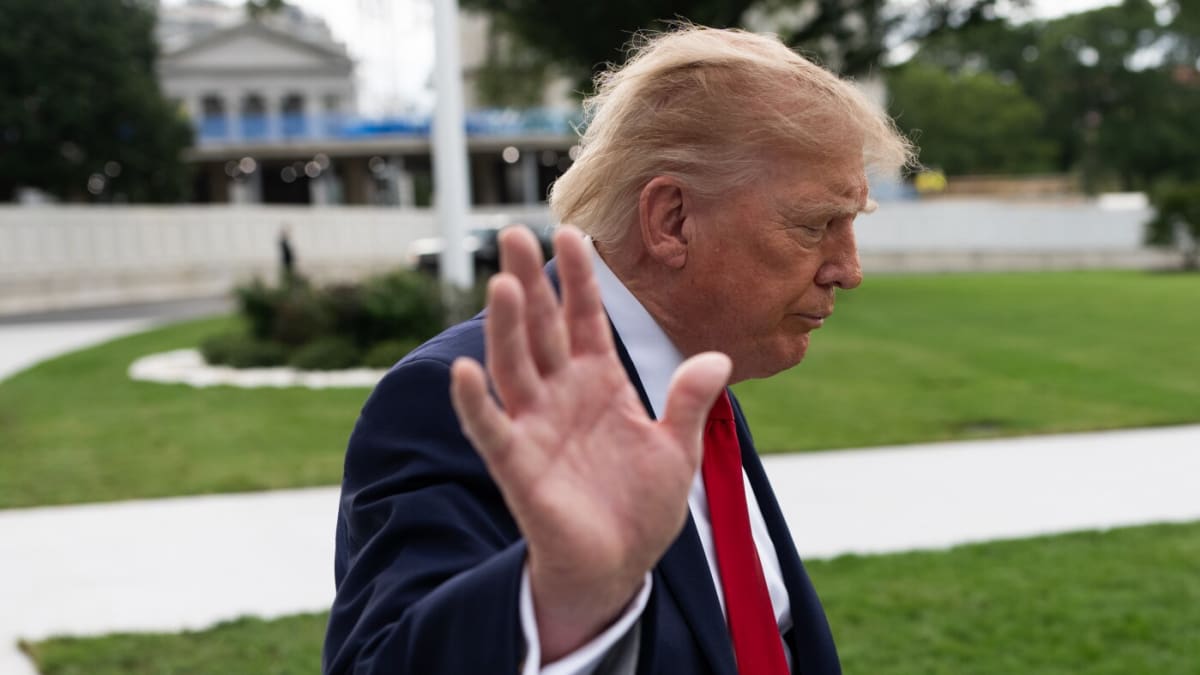
The Trump administration framed the measure as a response to Canada's imposition of tariffs on a range of U.S. goods earlier this month, which itself followed a breakdown in trade negotiations. President Donald Trump announced the bans in a series of executive orders signed Sept. 8, citing what he called "continued discrimination" by Canada on U.S. dairy, automotive and alcohol products. Speaking to reporters Monday, Trump accused Canada of treating the U.S. unfairly.
Canadian Prime Minister Mark Carney has played down the economic effect, saying earlier this month that the bans are relatively modest compared with other U.S. trade actions against Canada, though he acknowledged they will hurt directly targeted businesses and sectors. Canada is not expected to retaliate further, the BBC reported. Derek Holt, an economist with Scotiabank, wrote that the measures are "face-saving by the US administration, not substantive in nature and that's a positive".
The context
The ban is the latest step in an ongoing trade war between the two neighbors. Negotiations between Washington and Ottawa collapsed in late August, the BBC reported, and Canada responded earlier this month by placing tariffs on a range of American goods. Trump then signed the executive orders authorizing the import bans on Sept. 8.
The targeted sectors are heavily dependent on U.S. buyers. Roughly 93% of Canadian liquor exports in 2025 went to the United States, with most originating in Ontario, according to the BBC. Motorcycle exports are a smaller factor: Canada shipped about 5,000 motorcycles south of the border in 2025, worth roughly C$120 million, per Statistics Canada, so the effect there is expected to be limited. U.S. trade representative Jamieson Greer told CNBC last week that Trump is "comfortable" with the current relationship and that there is no urgency on the U.S. side to strike a deal.
Why it matters
This is a concrete escalation with America's largest trading partner, with direct consequences for supply chains and consumer prices on both sides of the border. Canadian liquor producers are especially exposed given that more than 90% of the industry's 2025 exports went to the U.S.; Spirits Canada, an industry group, has said the consequences "could be significant". While Carney and some economists characterize the bans as modest in macroeconomic terms, targeted sectors face the loss of their dominant export market, and the measure signals that neither government is moving toward de-escalation.
What’s next
Trade talks remain frozen, and neither government has said when negotiations might resume. Canada is not expected to impose additional retaliation, the BBC reported, and Greer's comments suggest the U.S. sees no urgency to return to the table. Key things to watch: whether informal contacts between the two governments produce new talks, how targeted Canadian producers absorb the loss of U.S. sales, and whether either side takes further trade action.
Sources
AP News — US ban on $1 billion worth of Canadian imports goes into effect
The US went ahead early Tuesday with a ban on nearly $1 billion of Canadian imports, further straining already tense relations.
BBC World — US ban on Canadian alcohol and dairy comes into effect as trade war drags on
The latest escalation in the Canada-US trade war follows collapsed negotiations in late August, with no word on when talks may resume.
See a mistake? Report an error