Iran Offers to Reopen Strait of Hormuz Within Week
Iran formally offered the United States a seven-day ceasefire proposal Friday that would reopen the Strait of Hormuz within a week and restart nuclear negotiations between the two countries.
The Morning Brief Desk · September 25, 2026 · Based on reporting by CNBC
Iran presented the United States with a new seven-day ceasefire proposal on Friday, an offer that would reopen the Strait of Hormuz within a week if accepted. Iran's foreign minister said the plan would also restart nuclear negotiations between Washington and Tehran, according to the Financial Times.
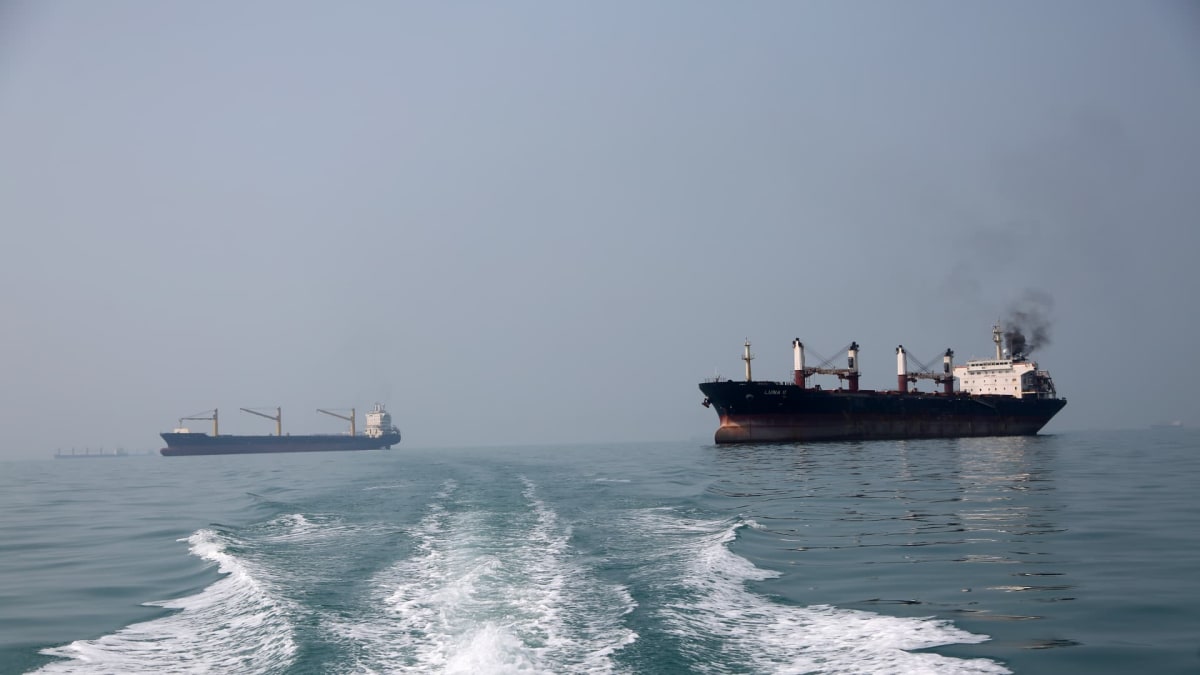
The proposal is the first substantive de-escalation offer from either side since a previous ceasefire between the two countries collapsed in June, the Financial Times reported. The Strait of Hormuz, currently closed to shipping traffic, is a critical chokepoint for global oil shipments, and its reopening would be the most tangible element of the proposed deal.
The offer did not halt fighting elsewhere in the region. Houthi forces launched a fresh wave of missile and drone attacks on targets in Saudi Arabia on the same day, CNBC reported. Whether Washington will accept the Iranian proposal, and on what terms, remained unclear as of Friday.
The context
The proposal arrives roughly six months into hostilities between the United States and Iran. A prior ceasefire between the two countries broke down in June, and no substantive de-escalation offer had been put forward by either government since then, according to the Financial Times.
The Strait of Hormuz has been a central pressure point in the conflict. The narrow waterway handles a significant share of the world's seaborne oil shipments, and its closure has weighed on global energy markets, straining the U.S. Strategic Petroleum Reserve. Nuclear negotiations between Washington and Tehran have also been suspended during the fighting; the new proposal would restart those talks alongside the ceasefire. The conflict has drawn in other actors in the region, including the Houthis, who have continued attacks on Saudi Arabia.
Why it matters
A reopened Strait of Hormuz would restore the flow of oil through one of the world's most important shipping lanes, with direct implications for oil and gasoline prices and for the strained U.S. Strategic Petroleum Reserve. A ceasefire would also affect American troops deployed in the region during the six-month conflict. Beyond the immediate terms, the offer represents the first real opening for diplomacy since June, pairing a military de-escalation with a return to nuclear talks. The continued Houthi attacks on Saudi Arabia, however, show the broader regional conflict is not contained by a bilateral U.S.-Iran arrangement.
What’s next
The immediate question is whether Washington accepts the seven-day proposal; the U.S. response was not detailed in Friday's reporting. If the deal proceeds, the Strait of Hormuz would reopen within a week and nuclear negotiations between the two governments would resume. Watch for the American answer, any conditions attached to it, and whether Houthi attacks on Saudi Arabia complicate a broader de-escalation.
Sources
CNBC — Iran offers to reopen Strait of Hormuz within 7 days and restart nuclear talks
Tehran floated a proposal to reopen the critical oil chokepoint within a week and resume nuclear negotiations, even as Houthis launched a fresh wave of missile and drone attacks on Saudi targets.
Financial Times — Iran offers US new seven-day ceasefire proposal$ Subscription
Iran's foreign minister said a new ceasefire plan could see the Strait of Hormuz reopen within a week, the first substantive de-escalation offer since the ceasefire collapsed in June.
See a mistake? Report an error