Trump Rejects Iranian Plan to Reopen Strait of Hormuz
President Trump rejected an Iranian proposal to reopen the Strait of Hormuz and end hostilities, calling it not "acceptable," while Tehran says diplomacy remains the only path to ending the conflict.
The Morning Brief Desk · September 27, 2026 · Based on reporting by NPR News
President Trump turned down an Iranian plan that would have reopened the Strait of Hormuz and brought hostilities between the two countries to a close, saying the proposal was not "acceptable." The offer, described as a seven-day proposal to reopen the strait and halt military operations, closely resembled a memorandum the two governments agreed on in June, NPR reported.
The rejection came publicly, but its formal status is less clear. Reuters reported that the mediators facilitating indirect talks between Washington and Tehran have not officially conveyed any U.S. refusal to the Iranian side. That gap between the president's public statement and the diplomatic channel leaves the proposal's fate uncertain.
Iranian officials, for their part, maintain that negotiation is the only way to end the conflict and say they remain committed to reaching a diplomatic solution, according to Reuters. Despite the public rejection, both governments are continuing to communicate through intermediaries, an indication that the indirect process has not collapsed even as the two sides publicly stake out different positions on how, or whether, the fighting ends.
The context
The Iranian offer did not emerge from nowhere. According to NPR, it closely tracked a memorandum the United States and Iran agreed on in June, meaning the core terms had already been the subject of negotiation between the two sides earlier this year. Why a proposal built on previously agreed language is now unacceptable to the White House has not been explained in the reporting.
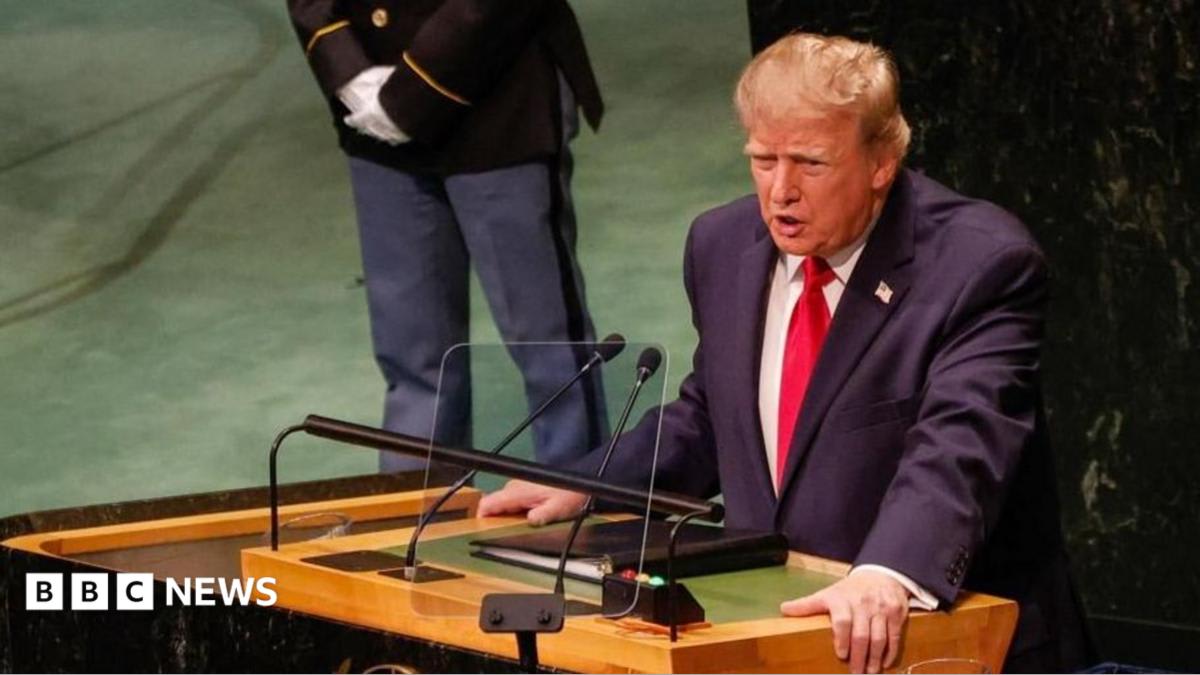
The rejection also follows a week of diplomacy at the United Nations aimed at addressing the conflict. Throughout the hostilities, the two governments have avoided direct talks, relying instead on mediators to carry messages back and forth. Those indirect channels remain open, and it is through them that the Iranian plan was presented — and through which, notably, no formal U.S. rejection has yet been delivered, per Reuters.
Why it matters
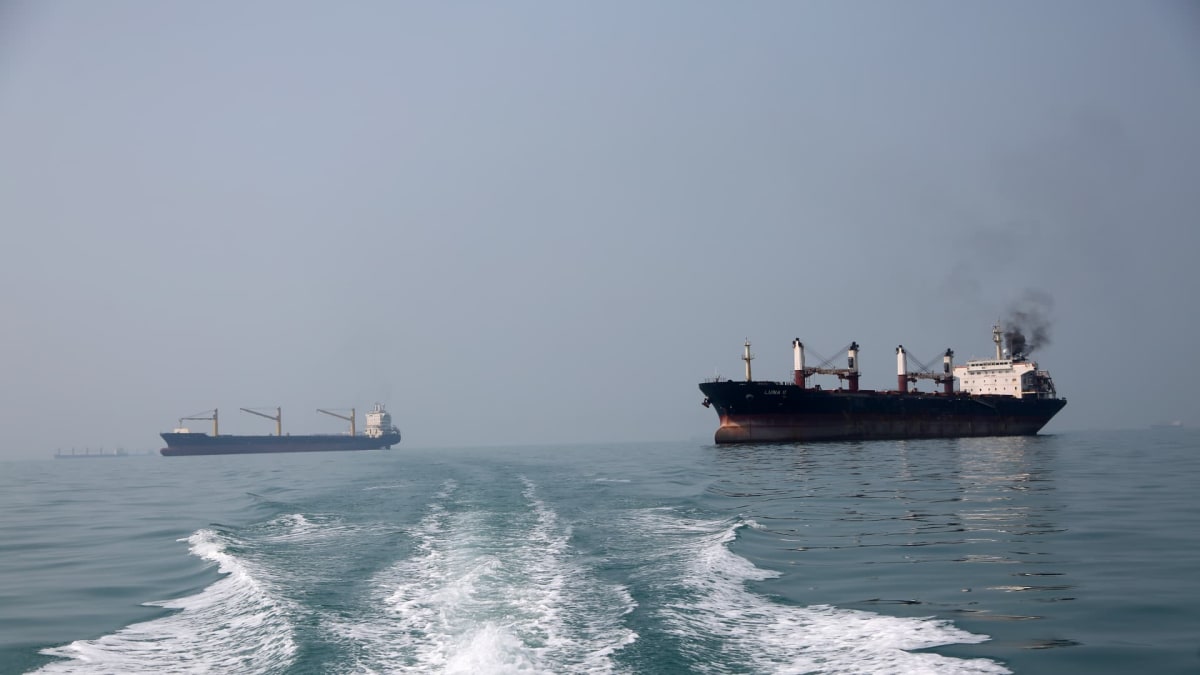
The Strait of Hormuz is a key artery for global oil shipments, and its closure has consequences for energy flows and gas prices in the United States. The conflict also directly affects deployed American troops. A public rejection of a ceasefire proposal by the president marks a turn away from de-escalation after a week of UN diplomacy. At the same time, the fact that mediators have not formally relayed a refusal suggests the diplomatic track may not be dead, leaving markets, allies and military planners to read mixed signals from Washington.
What’s next
The immediate question is whether the United States formally rejects the Iranian plan through the mediators or leaves room for revised terms. Iran says it remains committed to a negotiated outcome, so further indirect exchanges are likely. Watch for any official U.S. message delivered through intermediaries, changes in military operations on either side, and whether the Strait of Hormuz reopens under any arrangement. No timeline for next steps has been announced.
Sources
NPR News — Trump calls Iranian plan to reopen Strait of Hormuz not 'acceptable'
President Trump rejected an Iranian plan to reopen the Strait of Hormuz and end hostilities, a proposal similar to a memorandum agreed upon in June.
Reuters — Iran insists on diplomatic solution after Trump rejects peace plan
Despite Trump's public rejection, mediators facilitating indirect US-Iran talks have not officially relayed a US rejection, and Tehran says only negotiation can end the conflict.
See a mistake? Report an error