Trump Shifts to Sanctions as Hormuz Crisis Deepens
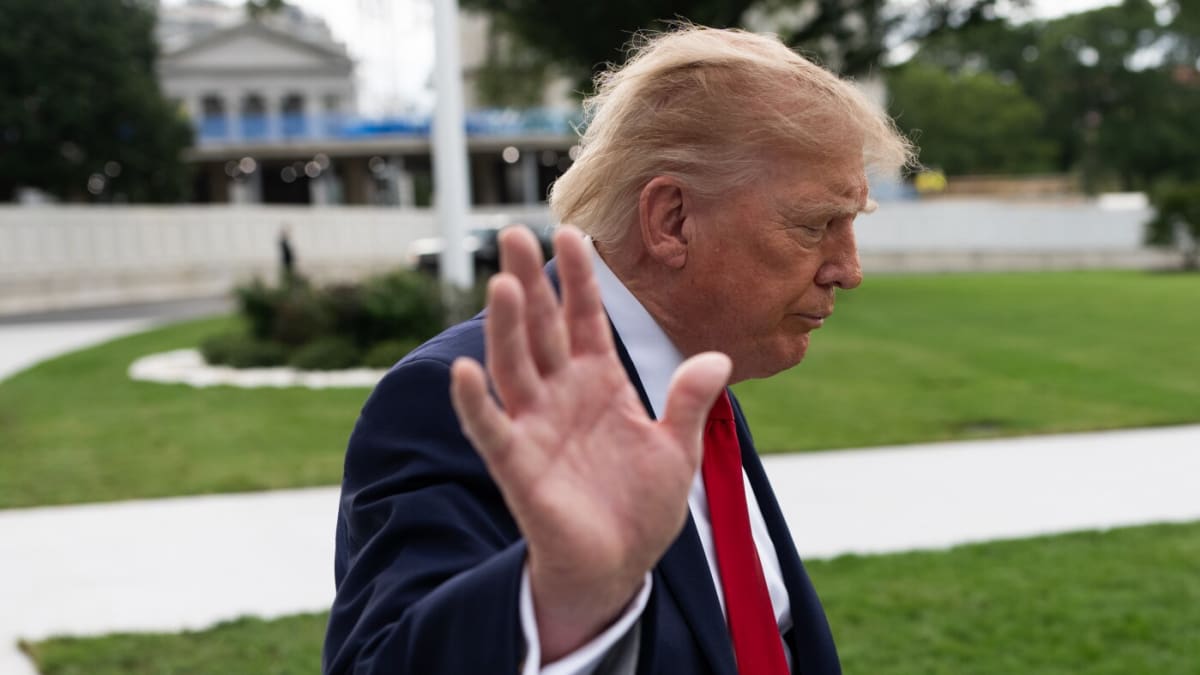
President Donald Trump signaled a move from military action to economic pressure on Iran as the Strait of Hormuz crisis entered its sixth month, NPR and CNBC reported.
The Morning Brief Desk · August 16, 2026 · Based on reporting by CNBC Top News
President Donald Trump this week signaled a shift in U.S. strategy toward Iran, moving away from military action and toward increased economic pressure, according to reporting from NPR and CNBC. The change comes as the crisis over the Strait of Hormuz enters its sixth month without a resolution.
NPR reported that the pivot back to sanctions follows two developments that have narrowed Washington's options: U.S. stockpiles of key weapons have dwindled, and stop-start negotiations with Tehran appear to have stalled once again. Iran, for its part, has hardened its position on the strait rather than softening it, CNBC reported.
The diplomatic turn did not slow the violence. A Houthi attack killed six mariners, the first fatalities in the Red Sea in more than a year, according to CNBC. U.S. forces separately struck a container ship. The material does not specify where or when the U.S. strike occurred, the ship's flag or ownership, or whether it caused casualties. Together, the attacks illustrate the growing toll the conflict is taking on shipping lanes that remain under strain more than five months into the crisis.
The context
The confrontation over the Strait of Hormuz has choked shipping through the waterway for more than five months, making it one of the year's central geopolitical stories. Over that period, Washington has cycled through approaches: military options, on-again, off-again talks with Tehran, and now a renewed emphasis on sanctions. NPR characterized the latest move as a pivot back to sanctions after other strategies to end the conflict fizzled. The Red Sea, a separate but connected shipping corridor, had gone more than a year without fatalities from Houthi attacks before this week's strike killed six mariners. The material does not detail what triggered the original standoff over the strait, the specific sanctions under consideration, or the terms that have divided U.S. and Iranian negotiators.
Why it matters
The strait's closure to normal traffic has disrupted global shipping for more than five months, and this week's deaths show the conflict's human cost is rising again after a year without Red Sea fatalities. The strategic picture matters too: dwindled U.S. weapons stockpiles and stalled talks suggest Washington's leverage is shifting, which is why the administration is turning to economic tools. Pressure on the White House to find an exit strategy continues to build as the crisis drags on, according to the reporting.
What’s next
Key questions remain open. The material does not describe which sanctions the administration plans to impose or on what timeline, and it is unclear whether talks with Tehran will resume after stalling again. Watch for whether Iran's hardened stance on the strait shifts under economic pressure, whether Houthi attacks continue after the deadly strike on mariners, and how long shipping disruptions persist as the crisis moves into its sixth month.
Sources
CNBC Top News — Trump signals shift to economic pressure as Iran hardens stance over Strait of Hormuz
Trump signaled a pivot from military action to mounting economic pressure as the Hormuz crisis, now choking shipping for more than five months, remains far from resolution.
NPR News — Trump pivots back to sanctions for Iran as other strategies to end his war fizzle
The shift comes as U.S. stockpiles of key weapons have dwindled and stop-start talks with Tehran appear to have stalled again.
CNBC Top News — Houthi attack kills six in first fatalities in Red Sea in over a year; U.S. strikes container ship
A Houthi attack killed six mariners in the first Red Sea fatalities in more than a year, as the Iran war exacts a growing toll on critical shipping lanes.
See a mistake? Report an error