Supreme Court opens term with major climate case
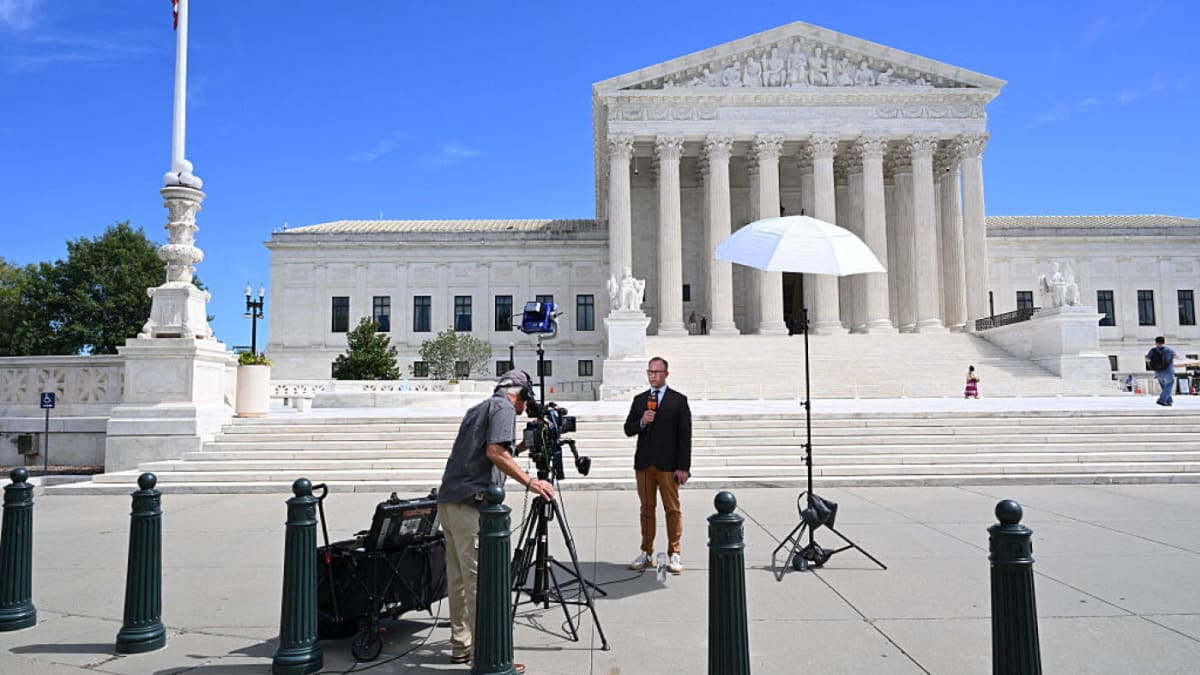
The Supreme Court began its new term Monday with oral arguments in Suncor v. Boulder, a case testing whether local governments can sue energy companies over climate change damages.

The Morning Brief Desk · October 5, 2026 · Based on reporting by NPR News
The Supreme Court opened its 2026 term Monday by hearing oral arguments in Suncor v. Boulder, a dispute over whether local governments can bring lawsuits against energy companies seeking damages tied to climate change. The hearing came on the first Monday in October, the traditional starting date for the court's annual term.
At the center of the case is Boulder County, Colo., which is attempting to recover costs from fossil fuel producers for harms it attributes to global warming. The question before the justices is whether that kind of claim by a locality can go forward at all, a threshold issue that could shape similar efforts elsewhere.
NPR News described the matter as a case whose repercussions extend well beyond climate law, and The Hill reported that the outcome could determine the future of state and local efforts to hold fossil fuel companies financially responsible for climate damages. The arguments also set the tone for a docket that includes other high-profile disputes: the justices are expected to weigh questions on immigration and gun control this term, and, as Axios reported, the Trump administration's agenda will come before the court repeatedly in the months ahead.
The context
The first Monday in October has long marked the formal opening of the Supreme Court's term, and this year the calendar hook coincided with one of the term's most closely watched cases. Boulder County's suit is part of a broader category of litigation in which state and local governments seek to recover money from fossil fuel producers for costs they link to global warming. Whether courts will allow those claims to proceed has remained an open question, and the justices' decision to hear Suncor v. Boulder puts that question squarely before the nation's highest court. The material available does not detail the case's path through the lower courts or the specific legal arguments each side presented Monday. The case arrives amid a term that, according to Axios, carries what it called a Trump-sized shadow, with the administration's policies expected to generate repeated appearances before the justices.
Why it matters
A ruling in Suncor v. Boulder could decide whether localities nationwide can pursue fossil fuel companies in court for climate-related costs, a question with direct consequences for energy producers, local governments, and, by extension, energy consumers. If the court forecloses such suits, state and local climate-damages litigation could effectively end; if it allows them, companies could face claims from governments across the country. Because the legal questions reach beyond climate law, as NPR News noted, the decision could also influence how other damages claims against industries are handled.
What’s next
The justices heard arguments Monday; a decision will follow at some point during the term, though no ruling date has been set in the material available. The outcome will signal whether pending and future climate-damages suits by states and localities can proceed. Beyond this case, watch for the court to take up immigration and gun control disputes this term, along with recurring challenges involving the Trump administration's agenda.
Sources
NPR News — Supreme Court's new term kicks off with blockbuster climate change case
The term opens with a case on whether local governments can sue energy companies for climate harms, with repercussions far beyond climate law.
The Hill — Supreme Court to hear case Monday on if localities can sue oil companies for climate damages
The ruling could determine the future of state and local efforts to recover damages from fossil fuel companies over global warming.
Axios — A Trump-sized shadow looms over the Supreme Court's new term
The new term includes key questions on immigration, climate litigation, and gun control, with the administration's agenda repeatedly before the justices.
See a mistake? Report an error