Brazil election heads to Lula-Bolsonaro runoff
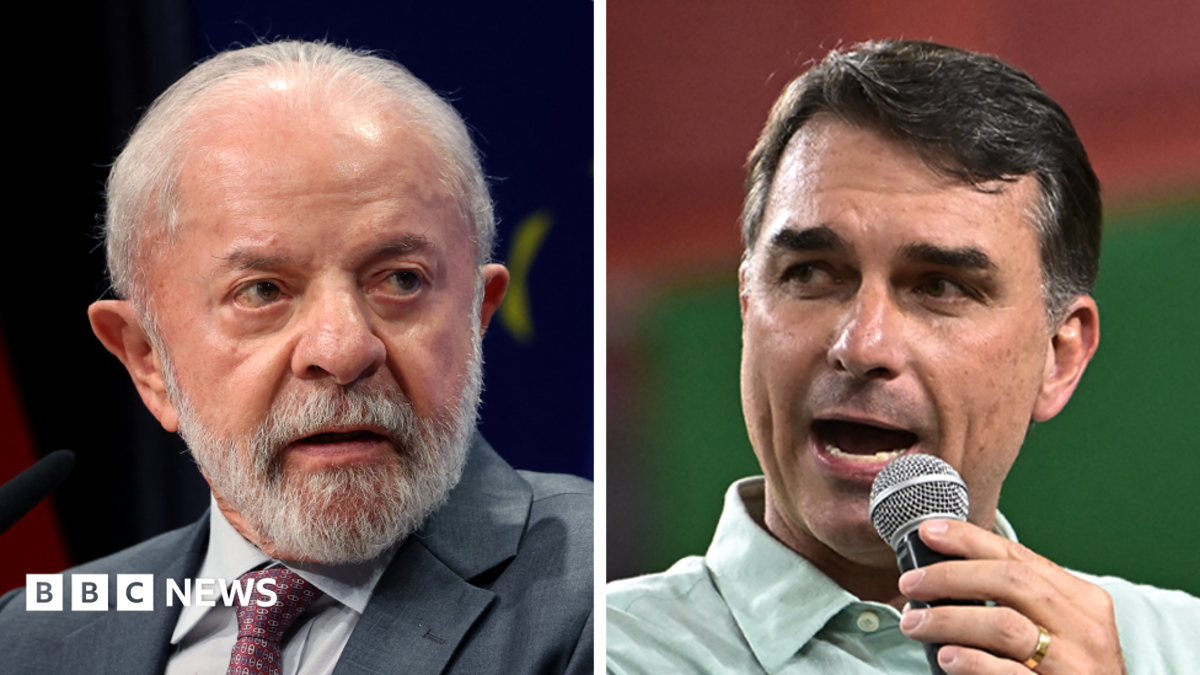
Neither Flávio Bolsonaro nor President Luiz Inácio Lula da Silva reached 50% in Brazil's first-round presidential vote, sending the race to an Oct. 25 runoff with the challenger narrowly ahead.
The Morning Brief Desk · October 5, 2026 · Based on reporting by BBC World
Brazil's presidential contest will go to a second round after no candidate reached the 50% share required to win outright in the first round of voting. Flávio Bolsonaro, a far-right challenger and son of former President Jair Bolsonaro, finished ahead of incumbent President Luiz Inácio Lula da Silva, according to the country's electoral authorities, which described the margin between the two men as narrow. The runoff is scheduled for Oct. 25.
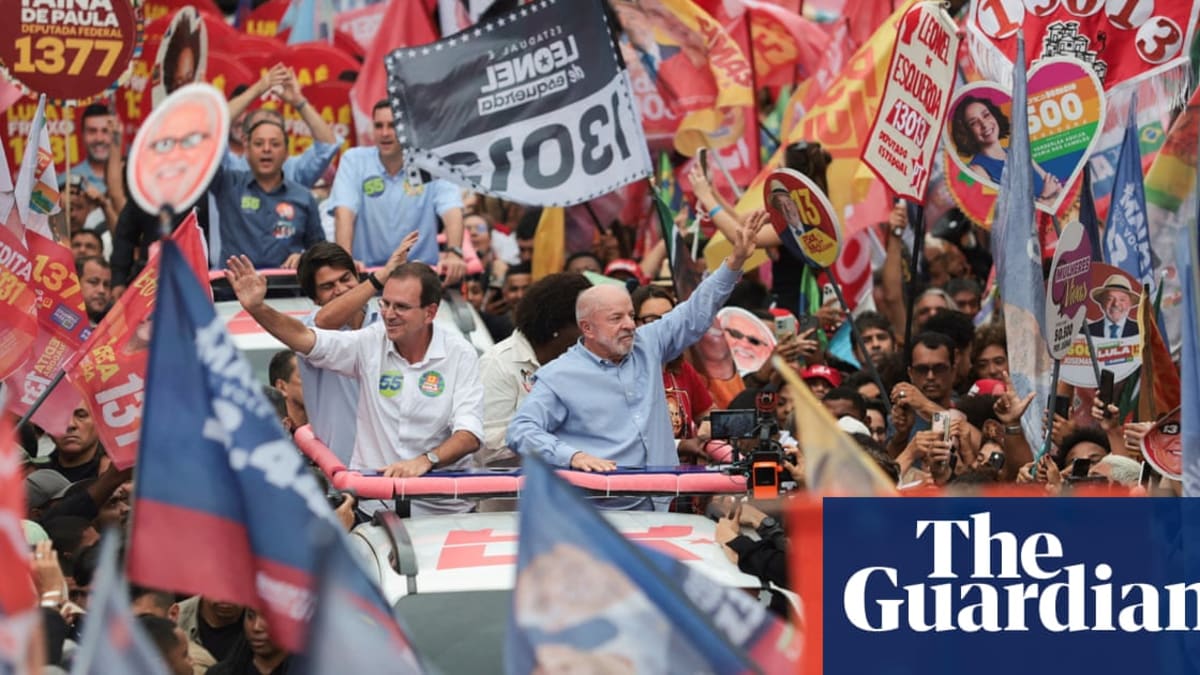
The challenger's first-round total came in above what polls and observers had anticipated before the vote, the BBC and the Guardian reported. Lula acknowledged the result, calling it "unexpected," per the Guardian.
The outcome sets up a head-to-head contest in Latin America's largest democracy between the sitting president, who is seeking another term, and a candidate whose victory would return the Bolsonaro family to the country's highest office. Final first-round vote shares for each candidate, and how the remaining candidates' supporters might break in the second round, were not detailed in initial reports.
The context
Flávio Bolsonaro is the son of Jair Bolsonaro, who previously served as Brazil's president before Lula's current term. His candidacy carried the family name back to the top of a national ballot, and the first-round result puts a return of the Bolsonaro family to the presidency within reach. Lula, the incumbent, entered the vote seeking reelection. Brazil's electoral system requires a candidate to win more than half the valid votes to avoid a second round; when no one clears that bar, the top two finishers advance to a runoff. That mechanism is now in play, with electoral authorities confirming that the challenger holds a slim edge over the incumbent heading into the final stretch of the campaign. Pre-election expectations had not pointed to a first-round lead for the far-right candidate, which is why his finish drew notice from international outlets covering the vote.
Why it matters
The runoff will determine who governs Latin America's largest democracy, a country whose direction carries weight for U.S. trade relationships, regional policy and financial markets, all of which are tracking the race closely. A Bolsonaro win would shift Brazil back toward the political right under a familiar family name; a Lula victory would extend the incumbent's tenure. The challenger's better-than-forecast first-round performance also reshapes expectations for the final round, suggesting a tighter and more contested finish than many observers had assumed.
What’s next
The second-round vote is set for Oct. 25, when Brazilians will choose between Lula and Flávio Bolsonaro. Key open questions include the final certified first-round margins, how voters who backed eliminated candidates will distribute between the two finalists, and whether either campaign picks up major endorsements in the weeks ahead. Watch for post-runoff reaction from Washington and markets given the race's international attention.
Sources
BBC World — Right-wing Flávio Bolsonaro wins first round of Brazil election
Neither candidate cleared 50%, sending the race to an October 25 runoff with Bolsonaro's son leading incumbent Lula.
The Guardian World — Brazil's presidential race goes to second round as Flávio Bolsonaro leads incumbent Lula
The far-right challenger put in a stronger-than-expected first-round showing, with Lula calling the result 'unexpected.'
DW — Brazil election: Bolsonaro and Lula head to runoff
Flávio Bolsonaro secured a thin lead over Lula, with the next president to be decided in a runoff round, per electoral authorities.
See a mistake? Report an error