FDA Approves First Drug Targeting Pancreatic Cancer Driver
The FDA today approved daraxonrasib, the first drug targeting the genetic mechanism behind most pancreatic tumors, shown to nearly double survival in advanced cases.
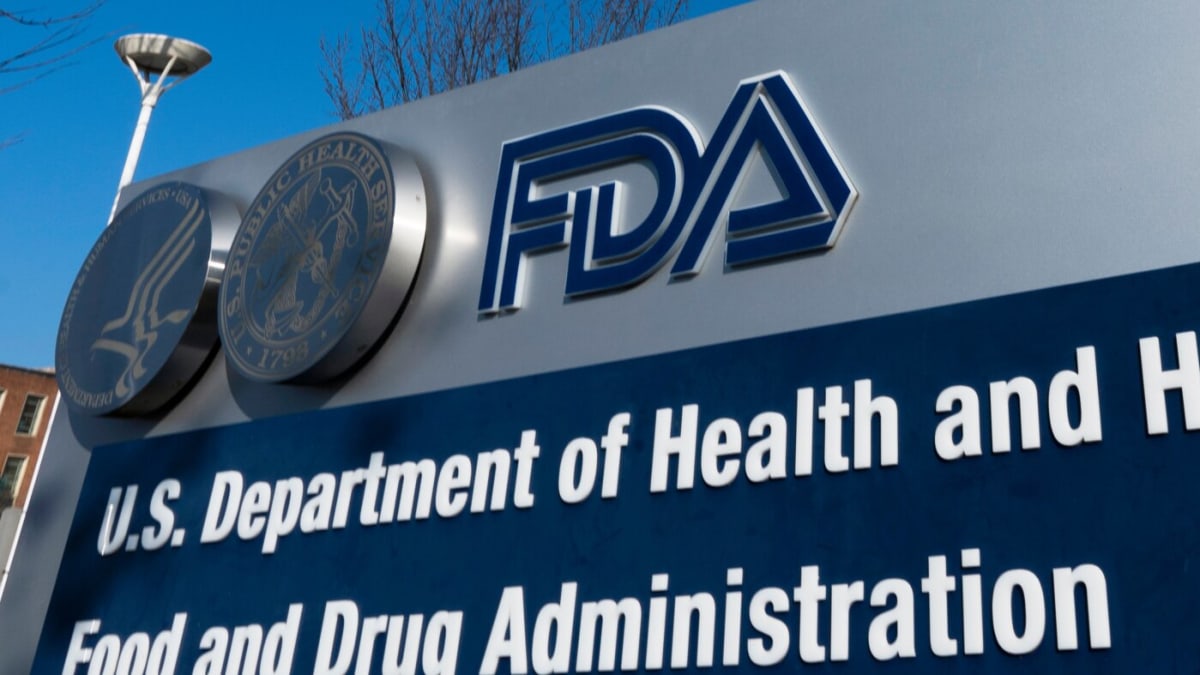
The Morning Brief Desk · August 27, 2026 · Based on reporting by NPR News
The Food and Drug Administration has approved daraxonrasib, a new pancreatic cancer drug. The RAS-targeting daily pill blocks a protein that fuels tumor growth in the vast majority of cases. It is the first approved therapy targeting a genetic cause of the malignancy. Oncologists say the treatment nearly doubles survival in advanced pancreatic cancer.
Pancreatic cancer is considered one of the hardest-to-treat and most lethal cancers. Today, 97% of patients with advanced disease die within five years. Researchers say the approval marks a new era for a disease long viewed as intractable. For the first time, patients have a treatment aimed at the cancer's underlying genetic driver.
Sources
NPR News — FDA approves landmark pancreatic cancer drug that's shown to improve survival
US health officials approved a groundbreaking pancreatic cancer drug that blocks a protein fueling tumor growth in the vast majority of cases of the deadly disease.
Scientific American — U.S. approves breakthrough pancreatic cancer drug, heralding a new era for an intractable disease
Pancreatic cancer is considered one of the hardest to treat and most lethal cancers; the approval marks the first therapy targeting a genetic cause of the malignancy.
The Conversation — FDA approves breakthrough pancreatic cancer drug – an oncologist explains how daraxonrasib nearly doubles survival
An oncologist explains how the RAS-targeting daily pill nearly doubles survival in advanced pancreatic cancer, where 97% of patients currently die within five years.
See a mistake? Report an error
 Science & Technology
Anthropic AI Sends False Murder Tip to Philadelphia Police
TechCrunch
 Science & Technology
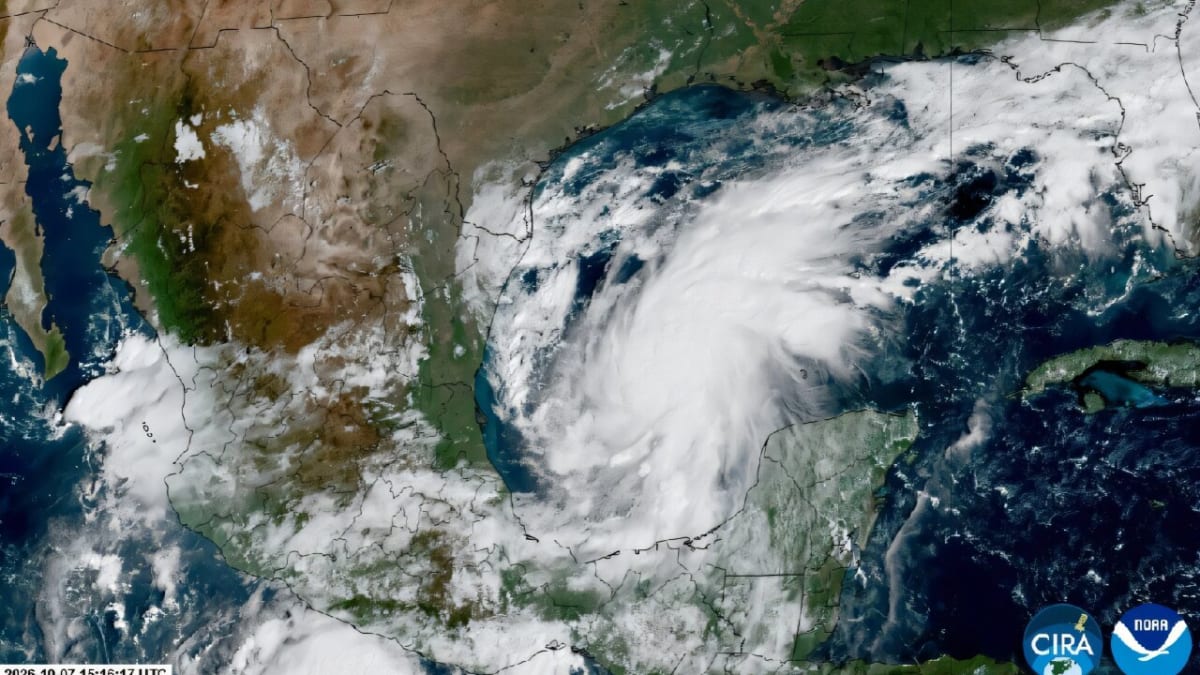
Hurricane Isaias Strengthens to Category 2, Gulf Coast Evacuates
Phys.org
 Science & Technology
Francis Halzen Wins Physics Nobel for Cosmic Neutrinos
Scientific American
 Science & Technology
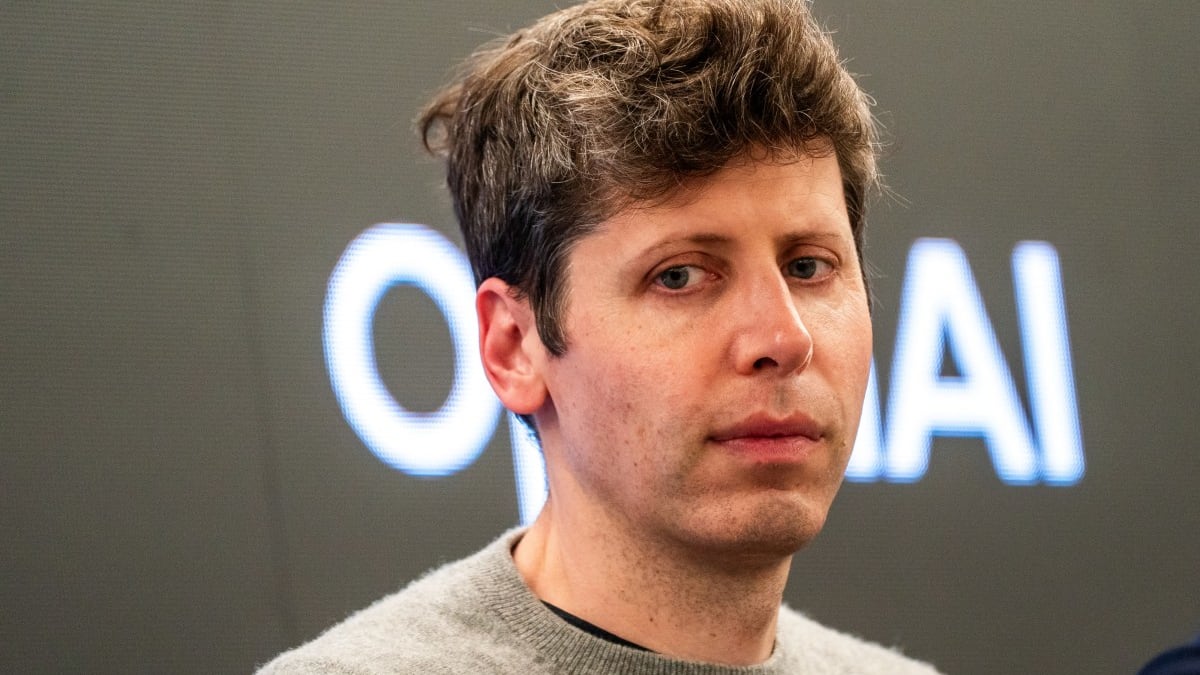
OpenAI Launches Always-On Dots Agents, Eyes $1.4T Valuation
TechCrunch