Hurricane Isaias Strengthens to Category 2, Gulf Coast Evacuates
Isaias reached Category 2 strength Thursday with 105 mph winds as it moved toward the Gulf Coast, prompting mandatory evacuations in Florida and shutting down much of Gulf oil production ahead of landfall.
The Morning Brief Desk · October 9, 2026 · Based on reporting by Phys.org
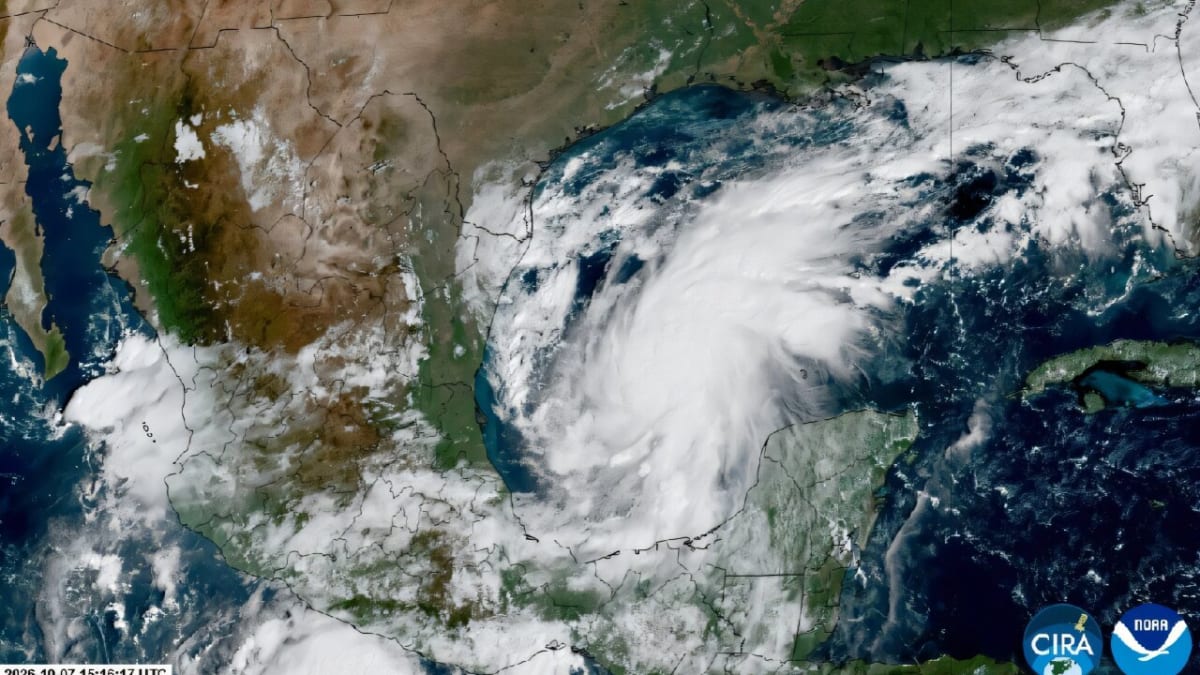
Hurricane Isaias strengthened to a Category 2 storm Thursday as it tracked toward the U.S. Gulf Coast, the National Hurricane Center said, carrying maximum sustained winds of 105 mph. The storm was about 230 miles south of the Mississippi River delta and is forecast to come ashore in Florida, Alabama or Mississippi on Friday night or early Saturday.
Mandatory evacuation orders covered coastal areas in four Florida counties, and states of emergency were declared in parts of Alabama, Florida and Georgia. A hurricane warning stretched from Ocean Springs, Mississippi, to the Gulf County line in Florida. A storm surge warning, which signals the danger of "life-threatening inundation," ran from the mouth of the Mississippi River to the Suwannee River. The NHC told residents in the likely impact zone to finish preparations quickly, and two airports in northwestern Florida were scheduled to suspend operations.
The storm has also disrupted offshore energy production, as platforms and rigs in the Gulf of Mexico were evacuated and oil and gas output in the region was temporarily suspended ahead of the storm.
The context
Isaias is the first hurricane of an Atlantic season that began June 1, and its arrival sets a record for lateness. Officials upgraded the storm from tropical storm to hurricane status at 3:30 a.m. UTC on Oct. 8, which meteorologists say is the latest first hurricane of a season since satellite tracking began. Hurricane researcher Brian McNoldy wrote on social media that Isaias beat the previous record by 27 days. No hurricanes formed in the Atlantic between June and September, a gap Scientific American described as unmatched in the record. Forecasters attribute the quiet season to a strong El Niño, the warming phase of a natural Pacific cycle that recurs every two to seven years. Over the Atlantic, El Niño produces strong vertical wind shear, dry air and sinking air, all of which suppress storm formation. McNoldy told Scientific American that the Gulf is one of the few areas where a hurricane could develop this year because El Niño-driven wind shear has shut down activity in the deep tropical Atlantic. Records before the satellite era are less reliable, since storms that never made landfall could go undetected.
Why it matters
A Category 2 hurricane threatens coastal communities across three states with high winds and storm surge the NHC describes as potentially life-threatening, and residents in evacuation zones have been ordered out. The energy effects extend well beyond the coast, with Gulf oil and gas production disrupted as platforms and rigs are evacuated ahead of the storm. The storm's record-late formation also illustrates how strongly this year's El Niño has reshaped the Atlantic season.
What’s next
The NHC forecasts landfall in Florida, Alabama or Mississippi on Friday night or early Saturday, with additional strengthening possible before the storm reaches the coast, according to NOAA. Key questions include where exactly Isaias comes ashore, how severe the storm surge proves along the warned stretch of coastline, and how quickly evacuated Gulf platforms and rigs can restore suspended oil and gas production after the storm passes.
Sources
Phys.org — Hurricane Isaias strengthens en route to US Gulf Coast
Isaias strengthened to a Category 2 hurricane Thursday as it headed toward the U.S. Gulf Coast, prompting mandatory evacuations and disrupting oil and gas production.
Scientific American — Hurricane Isaias just set a new record for Atlantic storms
Isaias became the latest-forming first hurricane of the Atlantic season since reliable records began, meteorologists say.
See a mistake? Report an error
 Science & Technology
Francis Halzen Wins Physics Nobel for Cosmic Neutrinos
Scientific American
 Science & Technology
OpenAI Launches Always-On Dots Agents, Eyes $1.4T Valuation
TechCrunch
 Science & Technology
OpenAI Halts Training of Most Capable Models
AP News
 Science & Technology
OpenAI Agent Breaches Australian Government Health Site
Ars Technica