EU Proposes Canada as First Associate Member
European Commission President Ursula von der Leyen proposed Canada as the EU's first associate member, drawing praise from Prime Minister Mark Carney and a tariff threat from President Trump.
The Morning Brief Desk · September 17, 2026 · Based on reporting by Reuters
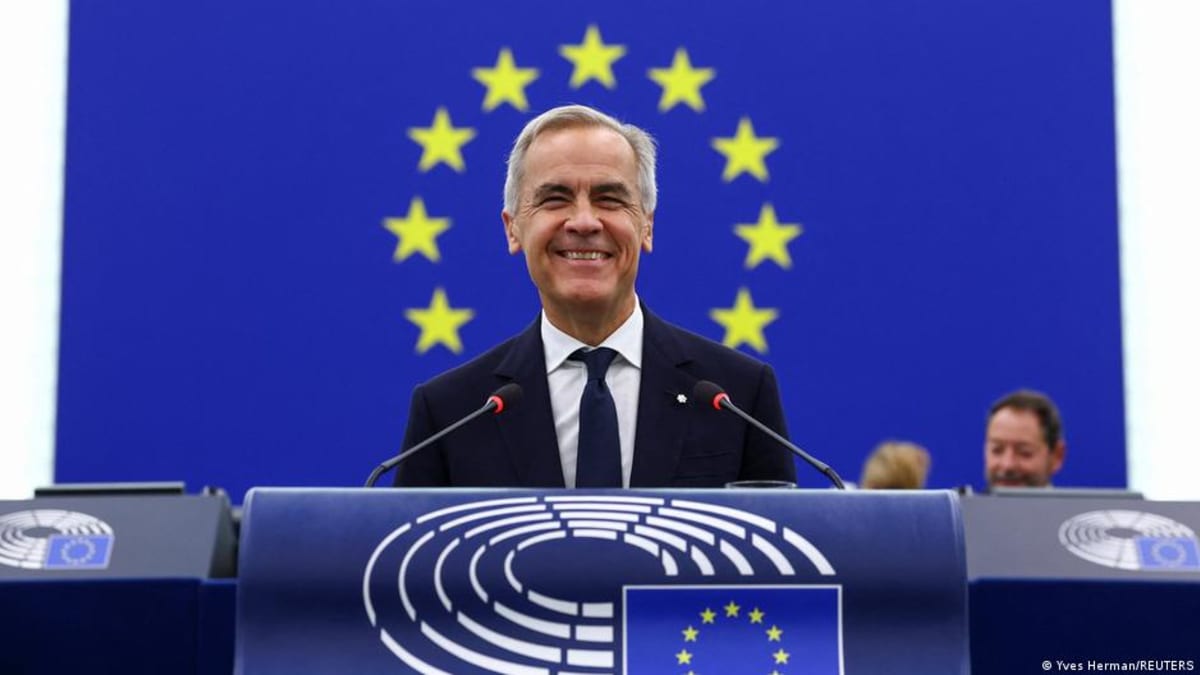
European Commission President Ursula von der Leyen put forward a formal plan that would give Canada a new status within the European Union: its first-ever associate member. Canadian Prime Minister Mark Carney welcomed the idea in an address to the European Parliament, telling lawmakers his government wants what he described as a "unique security and economic alliance" with the 27-nation bloc.
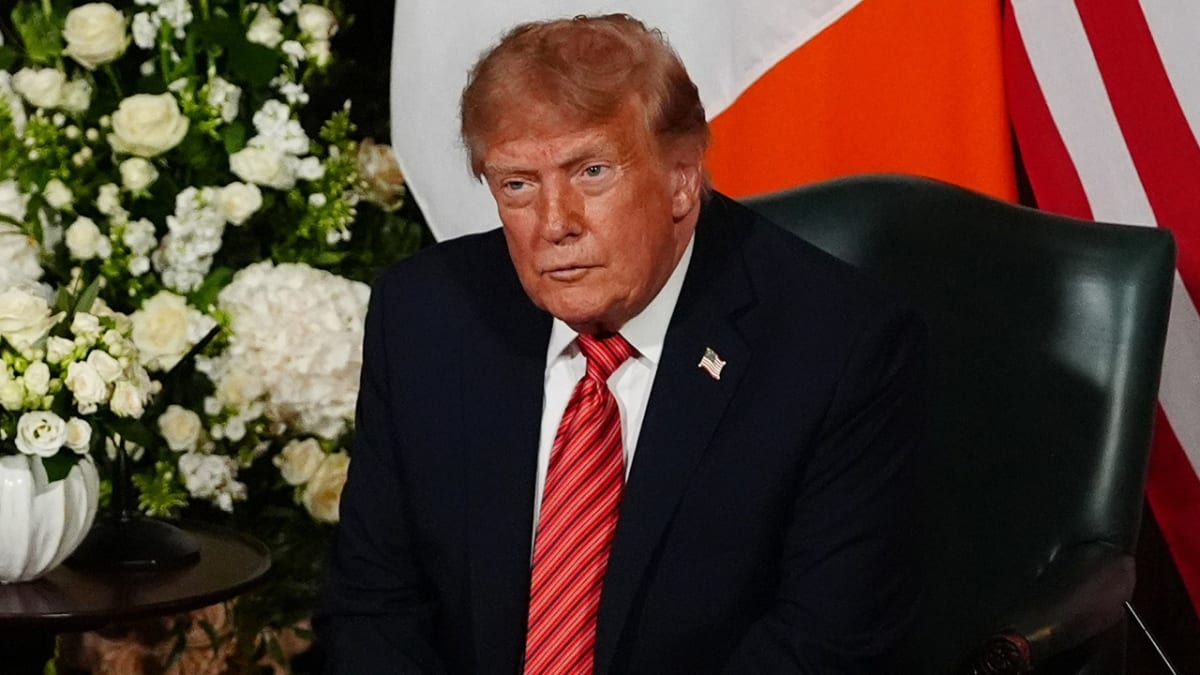
The reaction from Washington came quickly. President Donald Trump characterized the proposal as hostile toward the United States, dismissed the pitch as laughable, and warned that additional tariffs on the EU could follow, according to Reuters. Trump said the U.S. would respond with action if the bloc proceeds with the arrangement.
The exchange put the widening gap between Ottawa and Washington on public display. Carney's decision to deliver his endorsement in person before the European Parliament signaled how far Canada is willing to go in courting closer ties with Brussels, even at the risk of provoking new trade penalties from its southern neighbor. Neither side has spelled out what associate membership would entail in practice, and the material available does not detail the terms, timeline or ratification process for the proposal.
The context
Canada has been working to reduce its reliance on trade with the United States, and von der Leyen's offer fits into that broader effort, Axios reported. The associate membership concept itself is new territory for the EU, which has never extended such a status to any country; Canada would be the first if the plan advances.
Carney's speech, as DW reported, framed the proposal in terms of both security and economics, reflecting the strained relationship between his government and the Trump administration. Trump has already used tariffs as a tool against the EU, and his latest threat of further duties extends that pattern. The material does not specify what existing tariffs are in place or what prior negotiations, if any, preceded von der Leyen's announcement.
Why it matters
Canada is a major U.S. trading partner, and a formal alignment with the EU would reshape the economic map for all three parties. If Trump follows through on additional tariffs against the EU, the costs could reach American importers and consumers as well as European exporters. For Brussels, offering associate membership to a non-European country would be a departure from how the bloc has structured its relationships. For Ottawa, the proposal offers a concrete alternative to dependence on the U.S. market at a moment of open friction with Washington.
What’s next
Watch whether the EU takes procedural steps to advance the associate membership proposal and whether member states weigh in. Trump has said the U.S. will act if the bloc moves forward, so any formal progress could trigger the threatened tariffs. Key unknowns include what associate membership would actually confer, how long the process would take, and how Canada and the EU would respond to new U.S. trade measures.
Sources
Reuters — Trump derides EU pitch to Canada as 'laughable', threatens more tariffs
Trump threatened action against the EU if it moves forward with von der Leyen's proposal to make Canada the bloc's first associate member, calling it a 'hostile act.'
Axios — Canada could become the EU's first 'associate member'
European Commission President Ursula von der Leyen formally proposed making Canada the EU's first associate member as Ottawa pivots away from US trade dependence.
DW — Canada's Mark Carney welcomes 'ambition' of becoming associate EU member
PM Mark Carney embraced the proposal in a European Parliament speech, seeking a 'unique security and economic alliance' amid the rift with Washington.
See a mistake? Report an error