Congress Sends Sweeping Russia Sanctions Bill to Trump
The House approved a wide-ranging package of Russia sanctions, completing congressional action and leaving President Trump to decide whether the measure becomes law.
The Morning Brief Desk · September 17, 2026 · Based on reporting by Axios
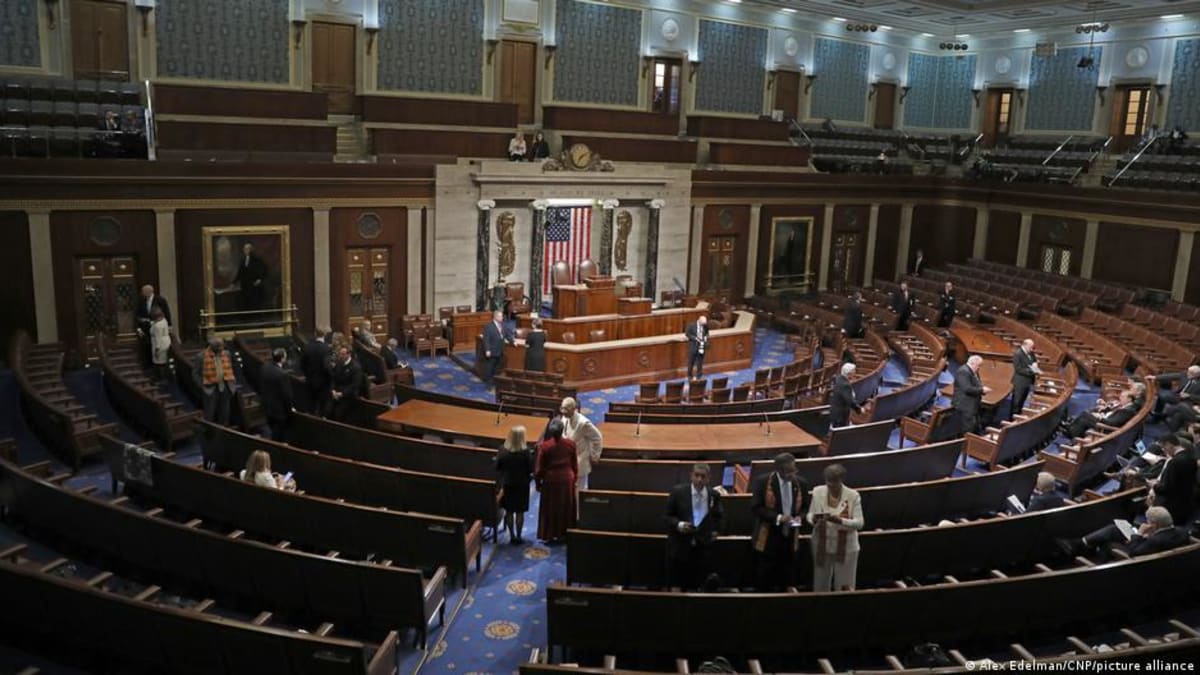
The House voted to approve a broad package of sanctions aimed at Russia, Axios reported, finishing the legislative work on a measure that had been anticipated for some time. With both chambers now done, the bill moves to the White House, where President Trump will choose whether to sign it.
The legislation stands as Congress's largest push against Moscow since Trump began his second term, according to DW. Beyond penalties on Russia itself, the bill includes authority for secondary sanctions, which punish third parties rather than the sanctioned country directly. In practice, that means governments that purchase Russian oil could face U.S. penalties if the measures are enacted and enforced.
India is among the countries that buy Russian oil and could be affected under the secondary-sanctions provisions, DW noted. The package also carries broad tariff authority for the president, a feature that critics have flagged as a significant grant of power to the executive. Passage came with bipartisan support just before Congress left for recess, making it the chamber's most consequential action of the week.
The context
The bill had been pending for an extended period before this week's vote, described in reporting as long-awaited legislation. Its completion marks a milestone: no Russia-focused measure of comparable scope has cleared Congress since Trump returned to office. The design of the package reflects a strategy of pressuring Moscow indirectly as well as directly. Secondary sanctions extend U.S. leverage to countries and entities doing business with Russia, particularly in the oil trade, rather than confining penalties to Russian targets alone. The measure also pairs those sanctions tools with wide tariff authority for the president, a combination that has drawn warnings from critics about how much discretion the bill hands the executive branch. The material does not detail the vote tally or the specific thresholds that would trigger the secondary penalties.
Why it matters
The bill's reach extends well past Russia. If the secondary-sanctions provisions take effect, countries that import Russian oil, including India, could face U.S. penalties, giving the measure global economic implications. The legislation also concentrates new tariff power in the president's hands, a point critics have raised as a separate concern. Whether the package reshapes pressure on Moscow now depends largely on decisions made at the White House rather than on Capitol Hill.
What’s next
Trump must decide whether to sign the bill into law; his intentions were not indicated in the material. If it is enacted, attention will turn to how and when the administration applies the secondary sanctions and how oil-buying countries such as India respond. Also unclear is how the president would use the tariff authority the measure grants, and on what timeline any penalties would begin.
Sources
Axios — House passes Russia sanctions bill
The House passed a sweeping Russia sanctions bill, sending the long-awaited legislation to President Trump's desk.
DW — US Congress passes Russia sanctions bill
The package is the most substantial US legislative effort against Moscow since Trump returned to office and could trigger secondary sanctions on countries buying Russian oil, including India.
See a mistake? Report an error