Trump Declares U.S.-Iran Ceasefire Over
President Trump declared the U.S.-Iran ceasefire over after Iran attacked tankers in the Strait of Hormuz and U.S. military sites in Kuwait and Bahrain, prompting American strikes on more than 80 Iranian targets.
The Morning Brief Desk · July 8, 2026 · Based on reporting by Axios · Updated July 13, 2026
President Donald Trump declared the ceasefire between the United States and Iran over and said further negotiations with Tehran would be a "waste of time," Axios reported. The announcement followed a rapid series of military exchanges between the two countries.
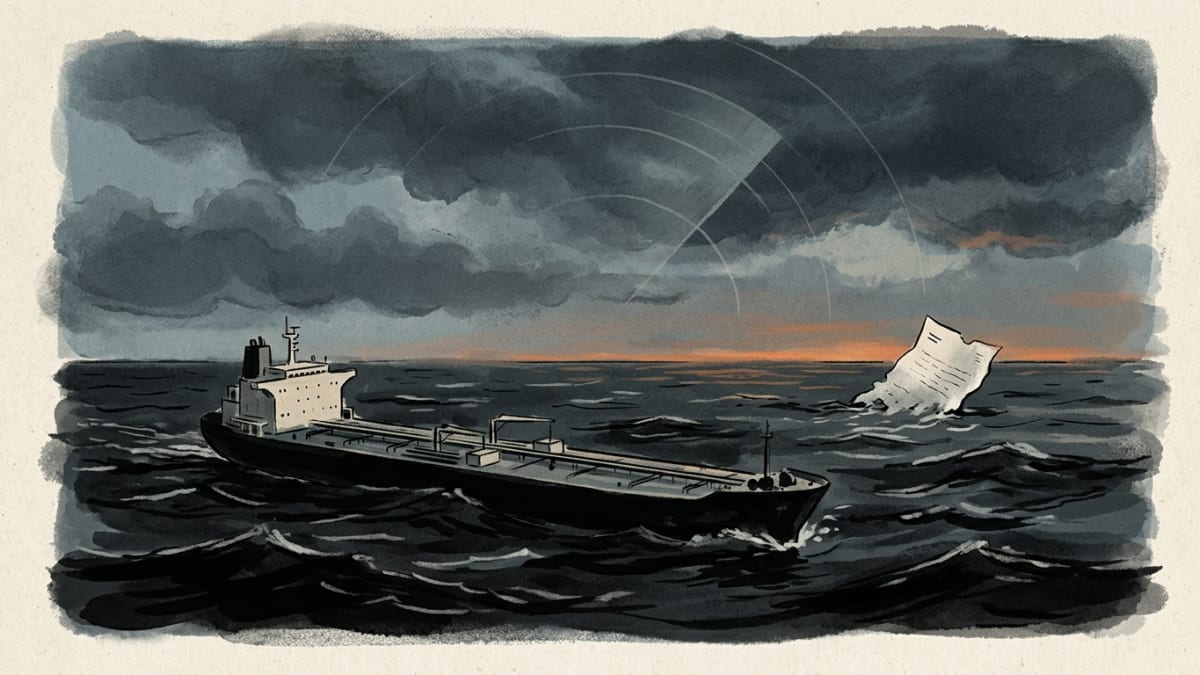
The escalation began when Iran attacked at least three commercial tankers transiting the Strait of Hormuz, according to The Hill. U.S. Central Command responded by launching strikes on more than 80 targets inside Iran. Iran's Revolutionary Guards then hit back, targeting U.S. military sites in Bahrain and Kuwait, Reuters reported.
Alongside the military response, Washington revoked Iran's oil sanctions waiver. Oil prices rose more than 5 percent following the moves, the largest jump in two months. The sequence of attacks and counterattacks unraveled a ceasefire the two countries had signed as a memorandum of understanding just three weeks earlier.
The context
The United States and Iran signed their ceasefire agreement three weeks ago in the form of a memorandum of understanding, following a June truce in what has been the region's defining conflict. That arrangement held until Iran's attacks on commercial shipping in the Strait of Hormuz, a critical passage for global oil transport, set off the current round of hostilities. The U.S. response unfolded in stages: CENTCOM described its campaign against Iranian targets as a series of "powerful" strikes, per The Hill, and the administration paired the military action with economic pressure by pulling Iran's oil sanctions waiver. Iran's retaliation against sites in Kuwait and Bahrain, both of which host U.S. forces, marked a direct expansion of the confrontation onto the territory of American partners in the Gulf. Trump's declaration that talks are pointless closes off, at least for now, the diplomatic track that produced the ceasefire.
Why it matters
The collapse of the ceasefire is a state change in the U.S.-Iran conflict, moving both countries from a negotiated pause back into open military exchanges. Iran's strikes on sites in Kuwait and Bahrain put U.S. forces stationed in the Gulf directly in the line of fire. The economic effects are already visible: oil prices climbed more than 5 percent, their biggest move in two months, and the revoked sanctions waiver tightens pressure on Iran's oil exports. Attacks on tankers in the Strait of Hormuz also raise risks for commercial shipping through one of the world's key energy chokepoints.
What’s next
With Trump ruling out further negotiations as a waste of time, no diplomatic path forward has been announced. Open questions include whether Iran will conduct additional strikes on U.S. positions or shipping, how Washington will respond to the attacks on its sites in Kuwait and Bahrain, and how long oil markets will stay elevated. The scope of damage and any casualties from the exchanges were not detailed in the reporting available.
Sources
Axios — Trump says Iran ceasefire "over" and talks a "waste of time"
Three weeks after the US and Iran signed a memorandum of understanding, Trump declared the ceasefire over, calling further negotiations a waste of time.
Reuters — Iran targets sites in Bahrain, Kuwait after wave of US strikes
Iran's Revolutionary Guards targeted US military sites in Bahrain and Kuwait after the US launched strikes on more than 80 Iranian targets in response to attacks on tankers in the Strait of Hormuz.
The Hill — US military strikes Iran after Tehran hits 3 tankers in Strait of Hormuz
CENTCOM began a series of 'powerful' strikes against targets in Iran after Tehran attacked at least three commercial vessels transiting the Strait of Hormuz; the US also revoked Iran's oil sanctions waiver, sending oil prices up more than 5%.
See a mistake? Report an error