Spain's Ceuta Border Crisis Death Toll Reaches 67
At least 67 people died in the mass migration crisis at Spain's Ceuta enclave, NPR reported, as tens of thousands crossed back into Morocco and the events set off a political fight across Europe.
The Morning Brief Desk · August 2, 2026 · Based on reporting by NPR News
The death toll from the crisis at Spain's Ceuta border rose to 67 this week, NPR reported. The dead included people who drowned and others who were killed in stampedes during the mass crossings.
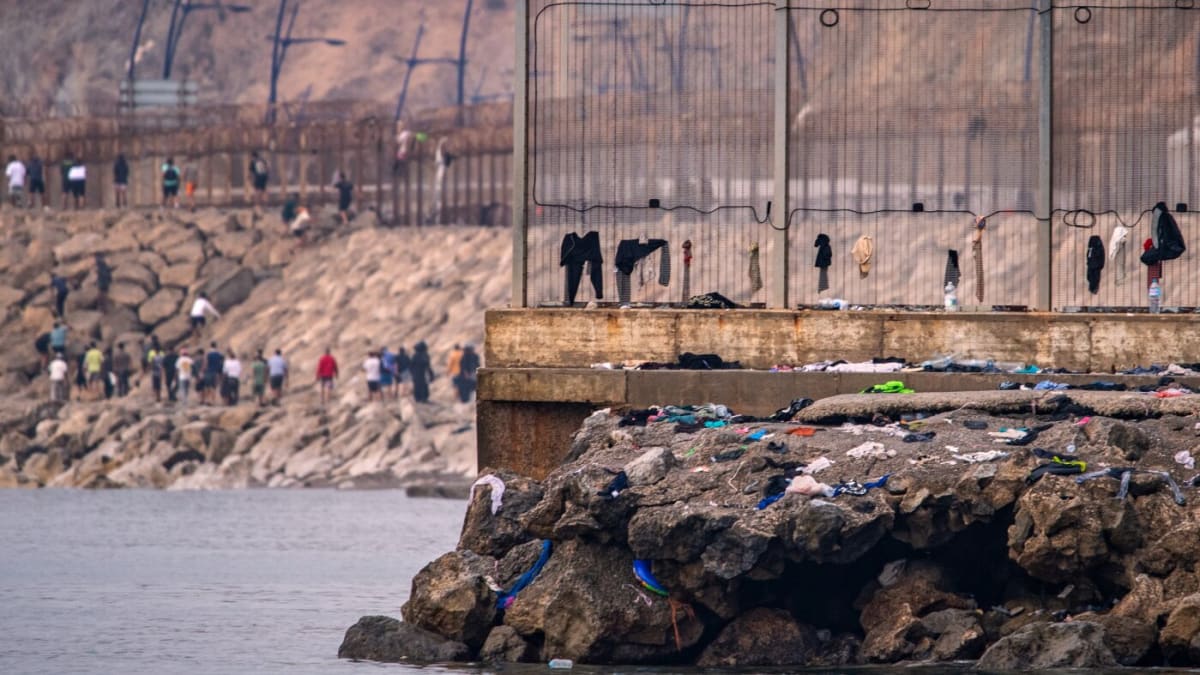
By the weekend, tens of thousands of people had crossed back into Morocco from the enclave, according to NPR. Ceuta is a Spanish territory on the North African coast that shares a land border with Morocco, making it one of the points where the European Union's frontier meets the African continent.
The crossings quickly became a political matter well beyond Spain. The BBC reported that the events shook Europe politically, exposing divisions over migration, an issue that has long been sensitive across the continent. Social media amplified the political fight over the crisis, the BBC's Sarah Rainsford reported. In Ceuta itself, hundreds of residents gathered Sunday to oppose a far-right anti-migrant rally that had been planned in the enclave. The counter-demonstration shut the rally down, Al Jazeera reported. The available reporting does not detail how the standoff between the two groups unfolded beyond the rally's cancellation.
The context
Ceuta's geography is central to the story. The enclave sits in North Africa but is Spanish territory, which means its land border with Morocco is also an external border of the European Union. That position has made it a crossing point for people seeking to enter Europe, and it puts Spain and Morocco in direct contact over how the frontier is managed.
The material available does not specify what triggered the mass crossings, how many people entered Ceuta at the peak of the crisis, or over what period the 67 deaths occurred. What is clear from the reporting is the scale of the reversal: tens of thousands of people returned to Morocco by the weekend, and the death toll, which includes both drownings and stampede fatalities, climbed to 67 as the week went on.
Why it matters
Sixty-seven deaths at a European Union border make this one of the deadlier recent episodes at the bloc's southern edge, based on the reporting available. The crisis has also become a political test. The BBC reported that it exposed divisions across Europe over migration, with social media intensifying the fight. The clash in Ceuta itself, where residents mobilized to block a far-right rally, shows how migration events can drive both anti-migrant organizing and counter-mobilization at the local level, with consequences for politics in Spain and beyond.
What’s next
Key questions remain open in the available reporting: whether the death toll will rise further, what arrangements Spain and Morocco reach over the border, and what happens to people who crossed into Ceuta and did not return. The political fallout is also unresolved. With far-right groups attempting to rally around the crisis and residents pushing back, watch for further demonstrations in Ceuta and for how European governments respond to the divisions the BBC described.
Sources
NPR News — Death toll in Spain border crisis reaches 67 as tens of thousands cross back into Morocco
The death toll in Spain's Ceuta border crisis has climbed to 67, including drownings and stampede deaths.
BBC World — How Spain's migrant crisis created a political storm - whipped up by social media
The Ceuta crossings have shaken Europe politically, exposing divisions over the sensitive issue of migration, the BBC's Sarah Rainsford writes.
Al Jazeera — Residents of Spain's Ceuta shut down far-right anti-migrant rally
Hundreds of residents in Spain's North African enclave of Ceuta gathered to oppose a planned far-right rally.
See a mistake? Report an error