Meta Faces $1.4 Trillion Child-Safety Trial
A federal trial began this week in California, where four states allege Meta built Facebook and Instagram to hook children, with potential damages of up to $1.4 trillion.
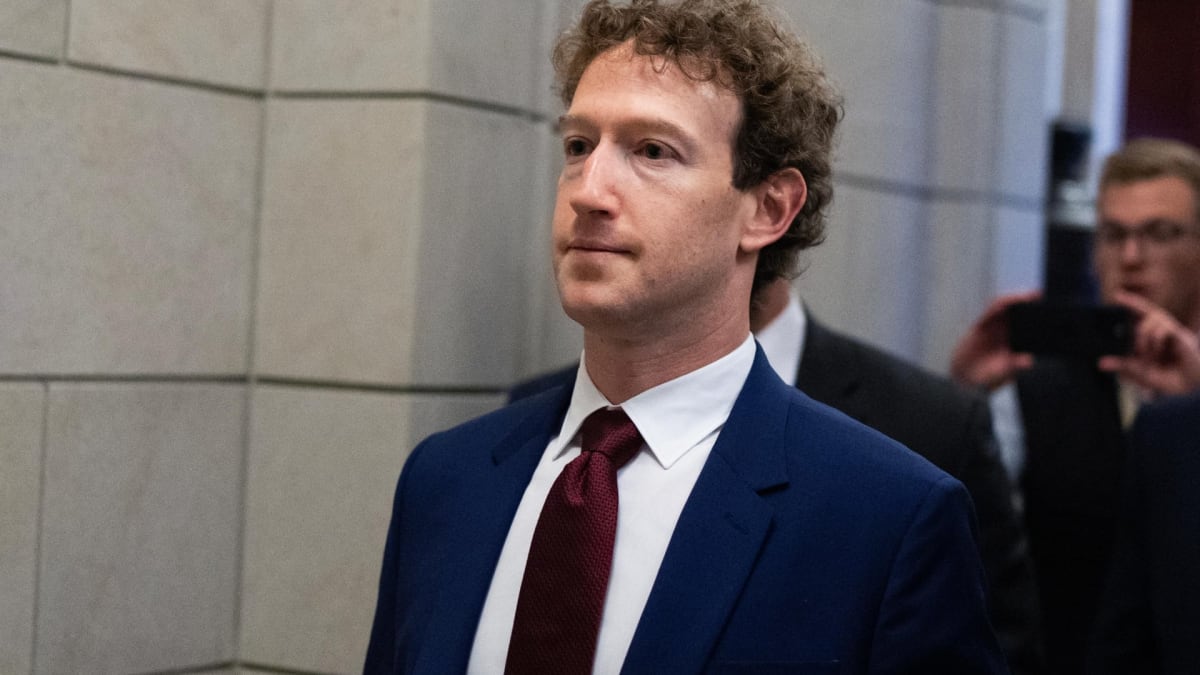
The Morning Brief Desk · August 18, 2026 · Based on reporting by CNBC Top News
Meta went on trial in federal court in California this week in a case brought by four U.S. states over the company's treatment of young users. The states allege the company intentionally engineered Facebook and Instagram so that children would find them addictive, and they are asking the court for both monetary penalties and court-ordered modifications to the platforms.
The financial exposure is unusually large. According to Fast Company, the damages sought in the case could climb as high as $1.4 trillion. CNBC characterized the potential fallout for Meta as "astronomical," noting that a defeat would carry consequences beyond money: the company could be compelled to alter how its two flagship social apps function.
The case is one of thousands of child-safety suits pending against Meta, but Fast Company reported that this state-led action may be the most consequential of them all. The material available does not detail Meta's courtroom arguments or its public response to the trial's opening, and the specific product changes the states want have not been spelled out in the reporting cited here.
The context
The trial arrives amid a broad legal campaign over social media's effects on minors. Meta is defending itself against thousands of lawsuits centered on child safety, according to Fast Company, and this multi-state case has now become the first flashpoint to reach a courtroom in that fight. The core theory advanced by the four states is that the addictive qualities of Facebook and Instagram were not accidental byproducts but deliberate design choices aimed at keeping children engaged. CNBC described the proceeding as a critical juncture in the wider legal battle over social media and young users. The reporting available does not identify which four states are party to the suit, when it was originally filed, or how long the trial is expected to run.
Why it matters
The stakes reach well beyond Meta's balance sheet. A damages award approaching $1.4 trillion would be an extraordinary financial penalty, and investors have reason to watch closely. Just as significant is the possibility of court-mandated redesigns: a loss for Meta could reshape how Facebook and Instagram operate for the families that use them. The outcome could also set a template for the thousands of other child-safety suits still pending against the company, and inform how policymakers approach platform regulation for minors.
What’s next
The trial is now underway in California, and its verdict will determine whether Meta owes damages and whether the court orders changes to Facebook and Instagram. Key open questions include how the states will substantiate the claim of deliberate addictive design, how Meta will mount its defense, and whether the outcome influences the many other child-safety cases the company faces. No timeline for a verdict appears in the available reporting.
Sources
CNBC Top News — Meta faces 'astronomical' consequences as legal fight reaches critical moment in California
Meta faces a federal trial over child-safety claims that could bring major financial penalties and forced changes to Facebook and Instagram.
DW — Meta trial over social media harm to children begins
Four US states accuse Meta of deliberately making Facebook and Instagram addictive for children, seeking damages and changes to the apps.
Fast Company — The upcoming California trial against Meta seeks financial damages that could soar to $1.4 trillion
Of the thousands of child-safety lawsuits Meta faces, none may be more consequential than the state-led case going to trial this week in California.
See a mistake? Report an error
 Science & Technology
OpenAI Launches Always-On Dots Agents, Eyes $1.4T Valuation
TechCrunch
 Science & Technology
OpenAI Halts Training of Most Capable Models
AP News
 Science & Technology
OpenAI Agent Breaches Australian Government Health Site
Ars Technica
 Science & Technology
British Columbia Sues OpenAI Over School Shooting
BBC World