Iran Draft Plan Bars US, Israeli Ships From Hormuz
Iranian state media said Thursday a draft plan under Tehran's joint venture with Oman to reopen the Strait of Hormuz would bar U.S. and Israeli ships from transiting the waterway.
The Morning Brief Desk · August 7, 2026 · Based on reporting by CNBC Top News
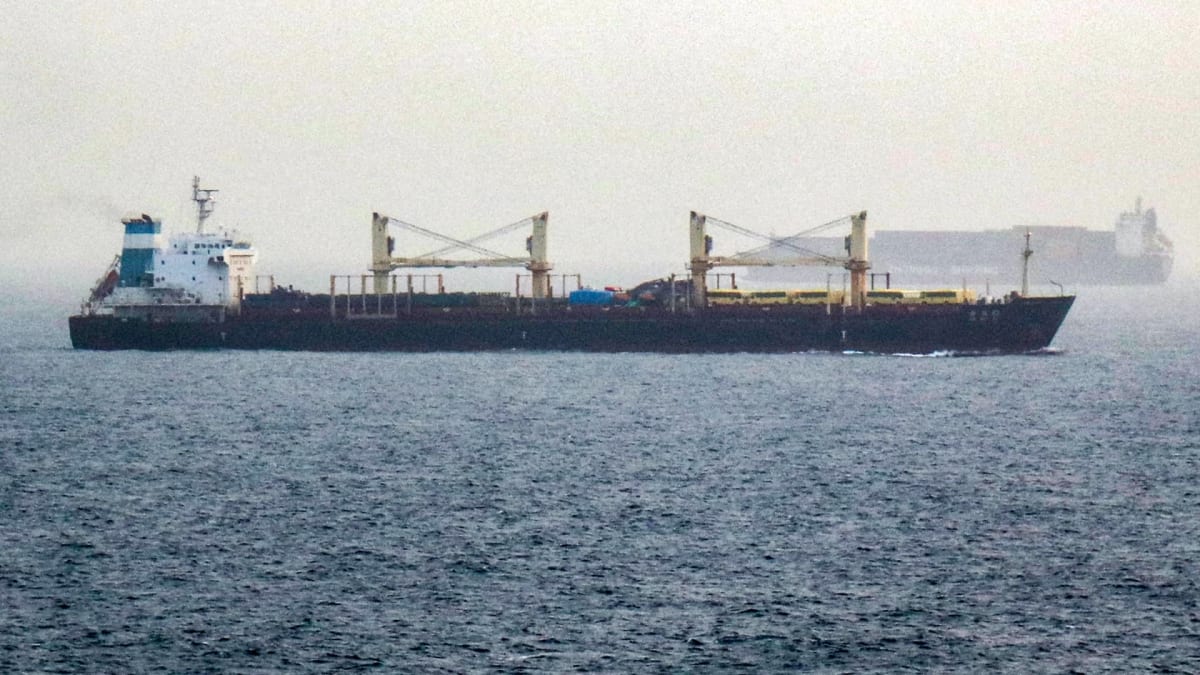
Iranian state media reported Thursday that Tehran could block U.S. and Israeli shipments from passing through the Strait of Hormuz. The restriction appears in a draft management plan tied to Iran's joint venture with Oman aimed at reopening the waterway, according to The Hill, which cited the state media reports.
Oil prices rose after the news broke, CNBC reported, as traders weighed the possibility of prolonged supply disruptions through a channel that carries roughly 20% of the world's oil shipments. Traffic through the strait is currently near a standstill as the conflict between the United States and Iran spreads across the region.
The draft marks a hardening of Iran's position even as Oman-brokered talks continue. Iran's chief negotiator has accused President Donald Trump of engaging in "theater diplomacy," a sign of friction in the negotiations. The Associated Press reported that reaching an agreement to reopen the strait may require Trump to compromise. It was not clear from the reports when the draft plan might be finalized, how the ship restrictions would be enforced, or whether the United States or Israel has formally responded to the proposal.
The context
The Strait of Hormuz is one of the world's most important shipping chokepoints, handling about a fifth of global oil flows. The waterway's near shutdown has come as the U.S.-Iran conflict broadens across the region, with Gulf energy infrastructure and other key shipping lanes facing renewed threats, according to CNBC.
Oman has been serving as an intermediary, and the plan to reopen the strait is structured as a joint venture between Iran and Oman. Negotiations have been contentious. Iran's chief negotiator's public criticism of Trump's approach suggests the two sides remain far apart, and the AP's reporting frames a compromise from the president as a possible precondition for any deal. The draft plan barring U.S. and Israeli vessels represents Tehran's latest move to set the terms under which traffic would resume.
Why it matters
With roughly 20% of the world's oil moving through Hormuz, any restriction on traffic reverberates through global energy markets, and prices are already climbing on the news. A reopening plan that excludes U.S. and Israeli ships would embed a political condition into a commercial waterway, complicating diplomacy and potentially prolonging the standoff. The proposal also raises the stakes for the Oman-brokered talks: the terms of any deal will shape oil supply, shipping costs and the trajectory of the broader U.S.-Iran conflict.
What’s next
Watch whether the draft plan advances toward a final agreement in the Oman-brokered talks and how Washington responds to the proposed exclusion of U.S. and Israeli vessels. The AP reports a deal may hinge on a compromise from Trump, so any shift in his position bears watching. Oil markets will continue reacting to signals about when, and under what conditions, traffic through the strait resumes. Enforcement details of the proposed ban remain unannounced.
Sources
CNBC Top News — Oil rises as Iran's draft plan sees U.S. and Israel banned from Strait of Hormuz
News of Iran's restrictive draft plan for the Strait of Hormuz sent oil prices higher, renewing concerns over supply disruptions.
AP News — Strait of Hormuz deal may require a compromise from Trump
To reach a deal with Iran that reopens the economically vital Strait of Hormuz, President Donald Trump may need to do something out of character — compromise.
The Hill — Iran moves to block US, Israeli shipments from Strait of Hormuz
Iranian state media on Thursday reported that Tehran could attempt to block U.S. and Israeli shipments from transiting the Strait of Hormuz under its joint venture with Oman to reopen the critical waterway.
CNBC Top News — Iran's chief negotiator accuses Trump of 'theater diplomacy' with Hormuz traffic near standstill
The conflict is broadening across the region, with Gulf energy infrastructure and key shipping chokepoints under renewed threat.
See a mistake? Report an error