Hormuz Shipping Sinks to New Low as Ceasefire Expires
Vessel-tracking data shows transits through the Strait of Hormuz slowed to a new low over the weekend as the U.S.-Iran ceasefire expires Monday with no deal in place.
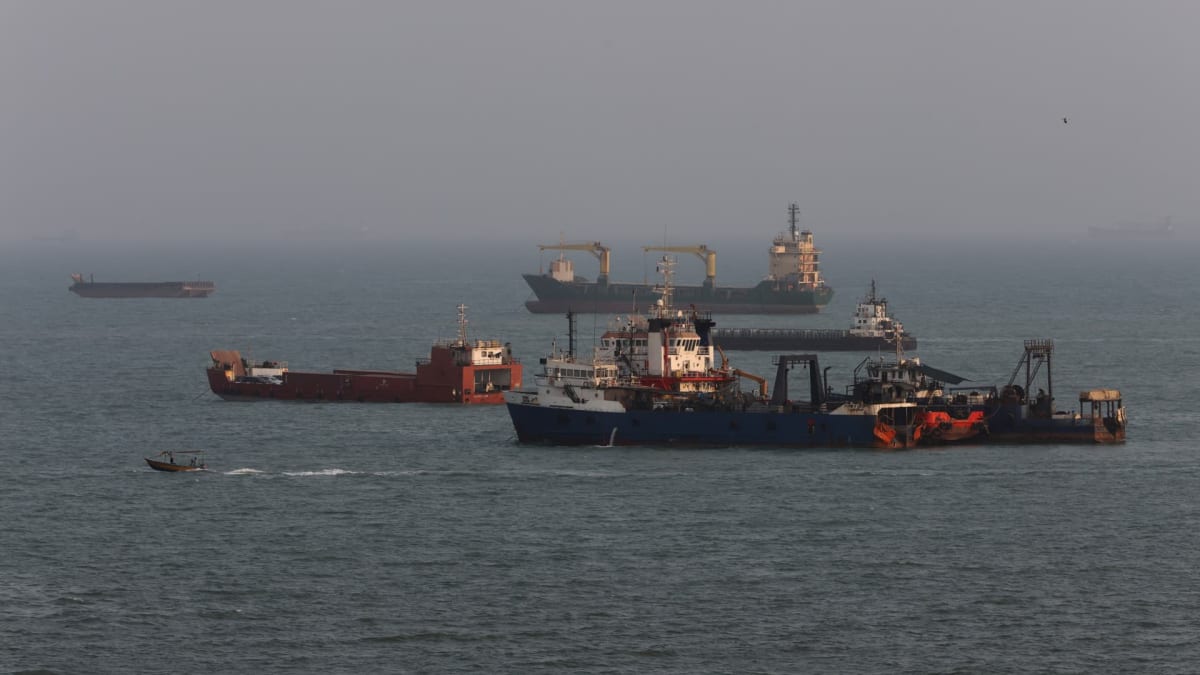
The Morning Brief Desk · August 17, 2026 · Based on reporting by CNBC Top News
Shipping traffic through the Strait of Hormuz has fallen to a new low as the ceasefire between the United States and Iran expires Monday without an agreement to replace it, CNBC reported.
Vessel-tracking data shows transits through the strait slowed over the weekend following attacks on tankers, according to Reuters. The slowdown comes as negotiations between Washington and Tehran to resolve the wider Middle East conflict have stalled, leaving the two sides without a deal as the truce lapses.
The strait carries a fifth of the world's oil flow, and the drop in traffic puts that supply directly at risk. As of Monday, talks show no sign of progress, and there is no clear path to restoring normal transit through the waterway. How much traffic has fallen in precise terms, which vessels were involved in the weekend attacks, and who carried them out were not detailed in the available reporting. What is clear from the tracking data is the direction: fewer ships are moving through the world's most important oil chokepoint at the moment diplomatic cover for safe passage is running out.
The context
The ceasefire between the United States and Iran was set to expire Monday, and negotiations aimed at reaching a broader resolution to the Middle East conflict have been under way but reached an impasse. The weekend tanker attacks preceded the measurable slowdown in strait transits captured in vessel-tracking data, Reuters reported. The Strait of Hormuz is the passage for roughly one-fifth of global oil flows, making it a persistent point of vulnerability whenever tensions between the two countries rise. The available material does not specify when the ceasefire took effect, what its terms were, or what triggered the original conflict, but the pattern it describes is straightforward: a truce that held shipping open is ending, attacks have already disrupted traffic, and diplomacy has not produced a replacement arrangement.
Why it matters
A fifth of the world's oil moves through Hormuz, so a sustained slowdown there translates quickly into supply risk for global energy markets. For American consumers, the exposure is direct: gasoline prices already stand at $4.06 a gallon, and further disruption could push fuel costs and inflation higher, complicating the Federal Reserve's decisions on interest rates. Shippers, insurers and oil buyers now face a waterway where attacks have already occurred and the diplomatic framework that limited hostilities is expiring, with no signal from either government that a new arrangement is close.
What’s next
The immediate question is whether U.S.-Iran talks resume and produce an extension or replacement for the expired ceasefire; as of Monday they show no sign of progress. Watch vessel-tracking data for whether Hormuz transits recover or fall further, and oil and gasoline prices for the market response. Any additional attacks on tankers, or statements from Washington or Tehran on the negotiations, would be the next signals of direction. No new round of talks has been announced in the available reporting.
Sources
CNBC Top News — Strait of Hormuz shipping grinds to a halt ahead of U.S.-Iran ceasefire expiry
Shipping traffic in the Strait of Hormuz sank to a new low as the US-Iran ceasefire is set to expire Monday with no deal in sight, threatening a fifth of the world's oil flow.
Reuters — Shipping via Hormuz strait slows after tanker attacks, data shows
Data shows Hormuz transits slowed over the weekend following tanker attacks, as US-Iran talks to resolve the Middle East conflict stalled.
See a mistake? Report an error