FCC Bans Chinese Humanoid Robots and Foreign Power Inverters
The FCC on Tuesday barred imports of humanoid robots and power inverters manufactured abroad, citing national security and supply-chain concerns.
The Morning Brief Desk · July 29, 2026 · Based on reporting by The Verge
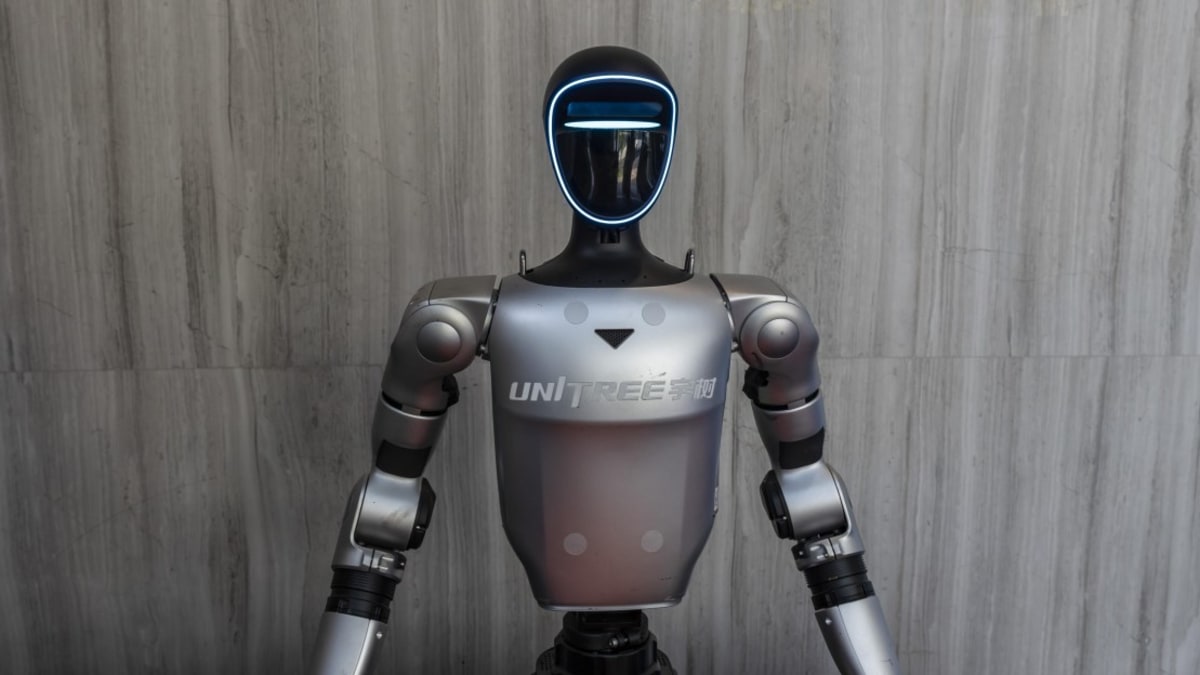
The Federal Communications Commission announced Tuesday that it is prohibiting imports of humanoid robots built outside the United States, along with power inverters produced abroad. The agency said the devices pose "unacceptable risks" to national security and pointed to vulnerabilities in the supply chains connected to them.
The prohibition applies to new products entering the American market, meaning foreign manufacturers of humanoid robots will be blocked from selling fresh inventory to U.S. buyers.
The Trump administration framed the decision as one piece of a wider security agenda aimed at building up American manufacturing of newer technologies. Officials have positioned robotics and artificial intelligence as fields where the United States is competing directly with China for global leadership, and Tuesday's action extends that competition into import policy. The Verge, Engadget and the BBC all reported on the ban, with the BBC noting the FCC's language about the risks it attributed to the devices. The announcement did not come with details, in the material available, about enforcement timelines or whether devices already in the country would be affected.
The context
The ban arrives amid a sustained technology rivalry between Washington and Beijing. Both governments have treated advanced robotics and artificial intelligence as strategic priorities, and each is working to dominate those industries worldwide. The Trump administration has pursued a national security strategy that pairs restrictions on foreign technology with efforts to spur production of emerging hardware inside the United States, and officials described Tuesday's order as part of that approach.
The FCC's stated rationale rests on two concerns: the security risks it associates with the devices themselves, and weaknesses in the supply chains behind them. Power inverters, which the order covers when made abroad, were grouped with the humanoid robots in the agency's action. What specific intelligence or technical findings prompted the timing of the ban was not detailed in the available reporting.
Why it matters
The order closes the U.S. market to new foreign-made humanoid robots, directly affecting American companies and consumers who might have purchased them and cutting off a sales channel for overseas manufacturers. It also marks a tangible expansion of the U.S.-China technology split, moving the competition from chips and software into robotics hardware and energy equipment. For domestic producers, the administration is betting that shutting out foreign devices will create room for American-made alternatives, though whether U.S. firms can fill that gap quickly remains an open question.
What’s next
Key details remain unclear from the available material, including how the FCC will enforce the ban, when it takes full effect, and whether devices already in use in the United States face any restrictions. Responses from foreign manufacturers and from Beijing were not included in the reporting. Watch for implementation rules from the FCC and for any retaliatory or countervailing moves in the broader U.S.-China technology dispute.
Sources
The Verge — The US is banning foreign robots
The US government announced a new import ban targeting China on advanced robotic devices and foreign-made power inverters.
Engadget — The US is banning foreign-made humanoid robots and power inverters
The ban is part of a national security strategy to kickstart domestic production of emerging technology.
BBC World — Trump administration bans new Chinese humanoid robots
The US and China are locked in a race to lead the world in robotics and artificial intelligence; the FCC cited 'unacceptable risks' from Chinese-made robots.
See a mistake? Report an error
 Science & Technology
Musk Confirms SpaceX Throttled Ukraine's Starlink Access
AP News
 Science & Technology
Moderna Cancer Vaccine Cuts Melanoma Recurrence Risk 42%
Nature
 Science & Technology
PHP Vulnerabilities Force Major Websites Offline Worldwide
Wired
 Science & Technology
Musk Pledges SpaceX Share for Every US Child
Axios