PHP Vulnerabilities Force Major Websites Offline Worldwide
Wikipedia, 4chan and DeviantArt went offline this week as administrators scrambled to fix two critical PHP flaws, dubbed PHP2Shell, that attackers are actively exploiting across the internet.
The Morning Brief Desk · October 22, 2026 · Based on reporting by Wired
Several prominent websites went dark this week after two critical security flaws were found in PHP, the programming language that underpins a large portion of the web. Wikipedia, 4chan and DeviantArt were among the platforms taken offline while their administrators worked to apply fixes, The Verge reported. The flaws, which have been given the name PHP2Shell, were identified with the help of artificial intelligence.
Federal agencies moved quickly to sound the alarm. The FBI's cyber division and the NSA both put out warnings about the two bugs, according to AP News. The concern extends well beyond a handful of large platforms: because PHP sits behind so many websites and web applications, everything from personal blogs to major services is potentially exposed.
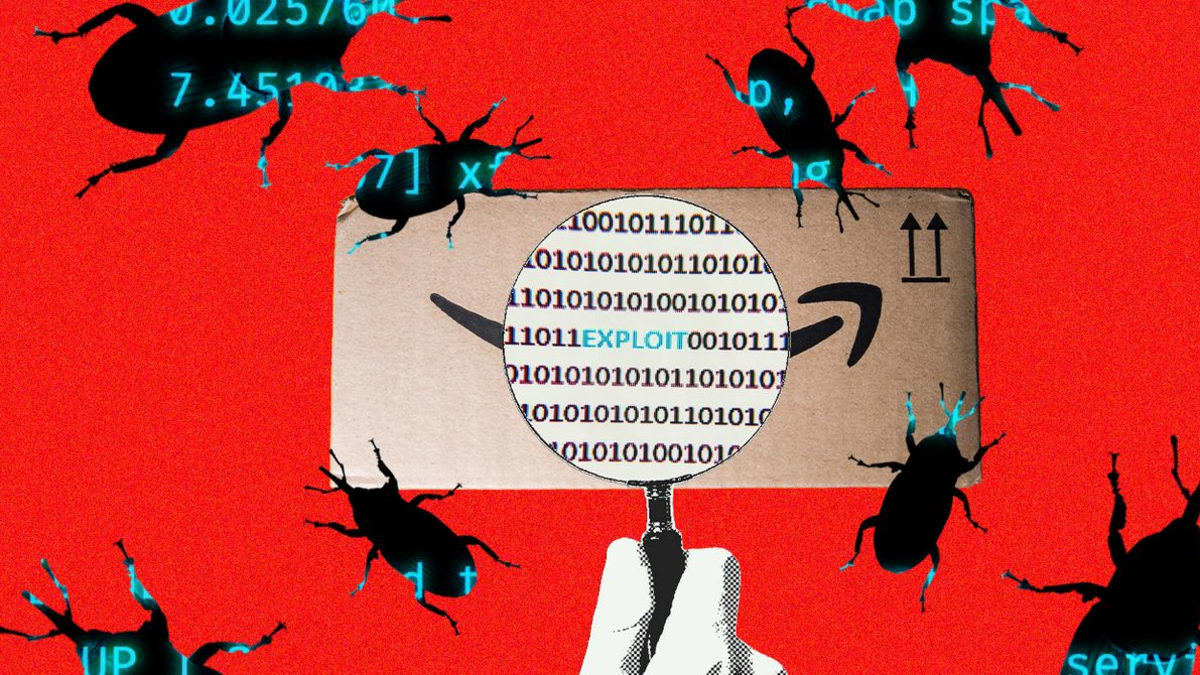
Attacks began before defenders had any fix in hand. Amazon Web Services recorded attempts to exploit the flaws four days ahead of the patches' release, Wired reported, and exploitation has since spread broadly across the internet. Security teams are telling administrators to update their systems without delay, warning that any server still running vulnerable PHP code remains open to ongoing attacks.
The context
PHP is one of the most widely used technologies on the web, estimated to run roughly two-thirds of websites. That reach is what turned a pair of software bugs into a week of outages touching sites across the internet, including government sites that went dark.
The timeline worked against defenders from the start. Exploitation attempts showed up in Amazon Web Services logs four days before patches existed, per Wired, meaning attackers had a head start on a flaw with no available fix. The vulnerabilities were discovered through AI-assisted methods, a detail noted across coverage, though the material does not spell out exactly how that discovery process worked or who conducted it. Once patches shipped, the response became a race between administrators installing updates and attackers probing for systems that had not yet been secured.
Why it matters
The scale here is unusual. PHP's footprint means these flaws touch a vast swath of the internet, from small personal sites to platforms used by millions, and the involvement of the FBI and NSA signals the federal government views the threat as serious. Major sites chose to go offline rather than stay exposed, a disruption felt directly by users. For businesses and site operators, the stakes are immediate: any unpatched server is a target for attacks already underway, not a hypothetical future risk.
What’s next
The immediate priority is patching. Security teams are pressing administrators to update PHP installations now, since exploitation is ongoing and broad. Key open questions include how many servers remain vulnerable, whether attackers compromised systems during the four-day window before patches existed, and how long major sites will stay offline. Further guidance from the FBI and NSA, and any disclosures about successful breaches, are worth watching.
Sources
Wired — Hackers Exploited the PHP Vulnerabilities Days Before They Were Patched
AWS logged exploitation attempts of the PHP2Shell bugs four days before patches, and the flaws are now being broadly exploited across the internet.
The Verge — PHP: The three letters that shut down sites all over the internet today
Two AI-discovered critical vulnerabilities forced major sites including Wikipedia, 4chan and DeviantArt offline as administrators raced to patch.
AP News — FBI and NSA warn of vulnerabilities in PHP web programming language
The FBI's cyber division warned of two critical vulnerabilities in PHP, the programming language powering a huge share of websites and web applications.
See a mistake? Report an error
 Science & Technology
Musk Pledges SpaceX Share for Every US Child
Axios
 Science & Technology
FTC Subpoenas OpenAI and Anthropic Over Safety Failures
Ars Technica
 Science & Technology
Eight States Sue OpenAI Over Child Safety
The Verge
 Science & Technology
FBI Arrests OpenAI Engineer Over Hidden Recording Device
TechCrunch