China Lands Reusable Rocket for First Time
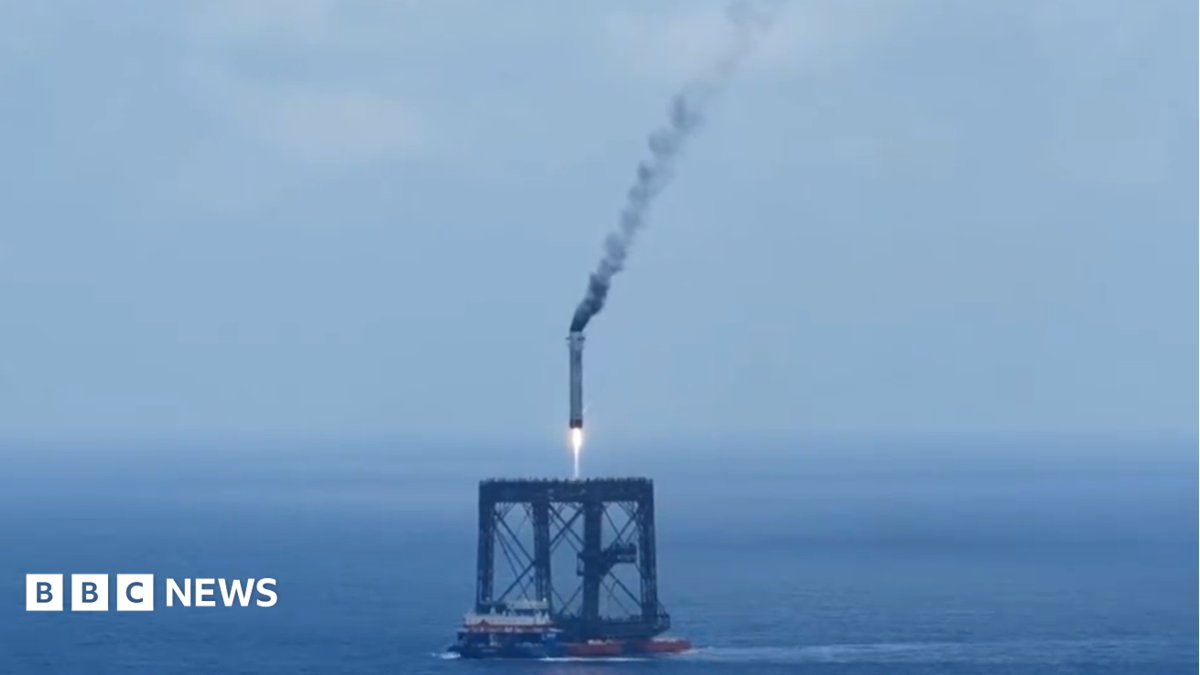
China's Long March 10B booster returned for a sea landing after delivering a satellite to orbit Friday, the country's first recovery of a rocket during an orbital mission, state media said.
The Morning Brief Desk · July 10, 2026 · Based on reporting by BBC World · Updated July 13, 2026
China recovered a rocket booster during an orbital launch for the first time on Friday, July 10, according to Chinese state media. The vehicle, a Long March 10B, was on its inaugural flight. It carried a satellite into orbit, and its booster then descended to a touchdown at sea rather than being discarded.
Until now, only two operators had pulled off that kind of recovery during an orbital mission, and both are American: SpaceX and Blue Origin. SpaceX has made booster recovery routine with its Falcon 9, which lands and flies repeatedly instead of being expended after one use. Friday's flight puts China in that small group for the first time.
The milestone came on the Long March 10B's debut, meaning the rocket accomplished both a successful first orbital delivery and a booster recovery on the same outing. The accounts of the flight so far come from Chinese state media, as reported by outlets including the BBC and Space.com.
The context
Reusability has become the defining divide in modern launch technology. A traditional rocket is thrown away after a single flight; a reusable one can be brought back, refurbished and launched again, which lowers the cost of reaching orbit and allows a higher flight rate. SpaceX pioneered the approach operationally with the Falcon 9, and Blue Origin has also landed boosters. China, despite a busy national launch program, had not recovered a rocket during an orbital mission before Friday. The Long March 10B is part of China's Long March family of launch vehicles, and this was its first flight. The provided material does not detail how many times China attempted such a recovery previously or the technical method used for the sea landing.
Why it matters
Booster recovery during an orbital launch narrows one of the clearest technological gaps between China's space program and U.S. industry. Reusability translates into cheaper, more frequent access to orbit, which matters commercially and militarily. The achievement sharpens U.S.-China competition over launch technology and space capabilities with defense applications. It also signals that SpaceX's advantage in reusable flight, long unmatched outside the United States, now faces a state-backed challenger that has demonstrated the core capability.
What’s next
Key questions remain open: whether the recovered Long March 10B booster will actually be refurbished and reflown, how quickly China can repeat the feat, and what launch cadence the vehicle will support. The material does not indicate a schedule for future Long March 10B flights. Watch for further details from Chinese state media on the booster's condition and follow-up missions.
Sources
BBC World — China lands reusable rocket for first time, state media says
It follows similar landings of reusable rockets by US-owned companies SpaceX and Blue Origin.
Space.com — Making history! China lands rocket during an orbital launch for 1st time ever
A Chinese Long March 10B rocket aced its debut launch on Friday, sending a satellite to orbit and coming down for a history-making landing at sea.
See a mistake? Report an error
 Science & Technology
PHP Vulnerabilities Force Major Websites Offline Worldwide
Wired
 Science & Technology
Musk Pledges SpaceX Share for Every US Child
Axios
 Science & Technology
FTC Subpoenas OpenAI and Anthropic Over Safety Failures
Ars Technica
 Science & Technology
Eight States Sue OpenAI Over Child Safety
The Verge