Canadian Wildfire Smoke Triggers Air Alerts in 20 States
Smoke drifting south from more than 800 wildfires burning in Canada prompted air quality alerts across 20 U.S. states, with health officials telling millions of residents to remain indoors.
The Morning Brief Desk · July 17, 2026 · Based on reporting by The Guardian World
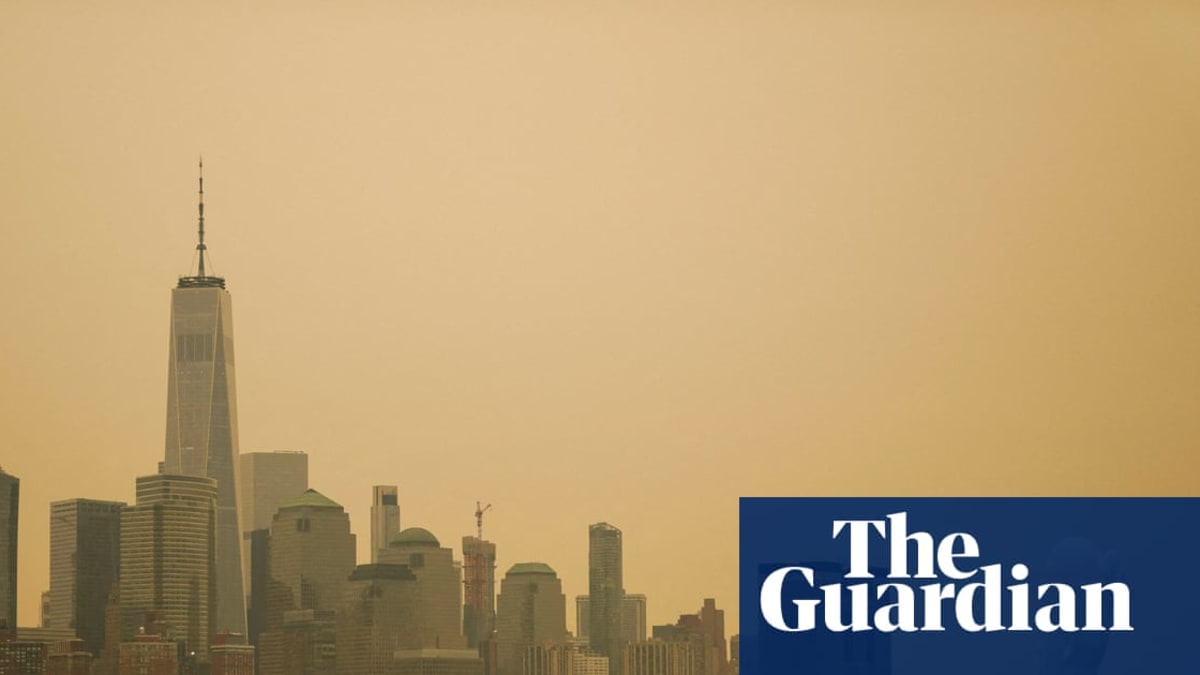
Air quality alerts covered 20 U.S. states as smoke from Canadian wildfires spread south, according to The Guardian. Health officials advised millions of people in a band stretching from Minnesota to New York to limit time outside while the warnings remained active. More than 800 fires were burning in Canada, Axios reported.
The haze dimmed skies across a wide swath of the country, from the Great Lakes region eastward to the Atlantic coast, and reduced visibility in affected areas, Phys.org reported. The conditions disrupted daily life beyond health warnings: concerts in the U.S. were postponed, and one Major League Baseball matchup had its start time moved because of the smoke.
The effects were not limited to the United States. In Canada, the smoke pushed Toronto's air quality to the worst of any city in the world during the event. Officials on both sides of the border pointed residents toward the same basic guidance: stay indoors until conditions improve and alerts are lifted.
The context
Cross-border smoke from Canadian fires has shifted from an occasional nuisance to a repeating summertime hazard, according to Axios, which described the phenomenon as affecting the eyes, throats and lungs of millions of people in both countries. The current episode stems from a large number of active blazes — more than 800 across Canada — whose combined output has been carried into U.S. airspace. The material provided does not specify where in Canada the largest fires are burning, when they ignited, or what caused them. What is clear from the reporting is the geographic reach of the plume: unhealthy air was recorded from the Midwest through the East Coast, and warnings extended across 20 states at once, a footprint that placed tens of millions of Americans under advisories simultaneously.
Why it matters
This is a health story with immediate, practical consequences for a large share of the U.S. population. Smoke exposure irritates the respiratory system, and officials consider the air in alert zones risky enough to warrant keeping people inside. The disruption also reaches into everyday plans — outdoor events, live music and professional sports have already been altered. If Axios's framing holds and smoke becomes a regular feature of North American summers, communities, event organizers and health systems will face this kind of disruption on a recurring basis rather than as a one-off emergency.
What’s next
The alerts remain in effect, and authorities continue to advise staying indoors until they are lifted. Key open questions include how long the smoke will linger over the affected states, whether additional events will be postponed or rescheduled, and how the fires in Canada develop. The material does not indicate when officials expect air quality to return to normal or how containment efforts are progressing.
Sources
The Guardian World — Air quality plummets in 20 US states as smoke from Canadian wildfires spreads
Millions of Americans from Minnesota to New York face air quality alerts as authorities urge people to stay indoors.
Axios — Summer is smoke season now
Smoke from more than 800 Canadian blazes is filling the eyes, throats and lungs of millions of Americans and Canadians, making smoke a recurring seasonal hazard.
Phys.org — Wildfire smoke makes air unhealthy from the US Midwest to East Coast
Heavy wildfire smoke darkened US skies from the Great Lakes to the East Coast, reducing visibility and prompting health warnings to stay inside.
See a mistake? Report an error
 Science & Technology
PHP Vulnerabilities Force Major Websites Offline Worldwide
Wired
 Science & Technology
Musk Pledges SpaceX Share for Every US Child
Axios
 Science & Technology
FTC Subpoenas OpenAI and Anthropic Over Safety Failures
Ars Technica
 Science & Technology
Eight States Sue OpenAI Over Child Safety
The Verge