US Signs Nuclear Cooperation Deal With Saudi Arabia
The United States and Saudi Arabia signed a nuclear cooperation agreement that gives American firms access to the kingdom's nuclear energy program and reportedly permits Riyadh to enrich uranium.
The Morning Brief Desk · July 26, 2026 · Based on reporting by BBC World
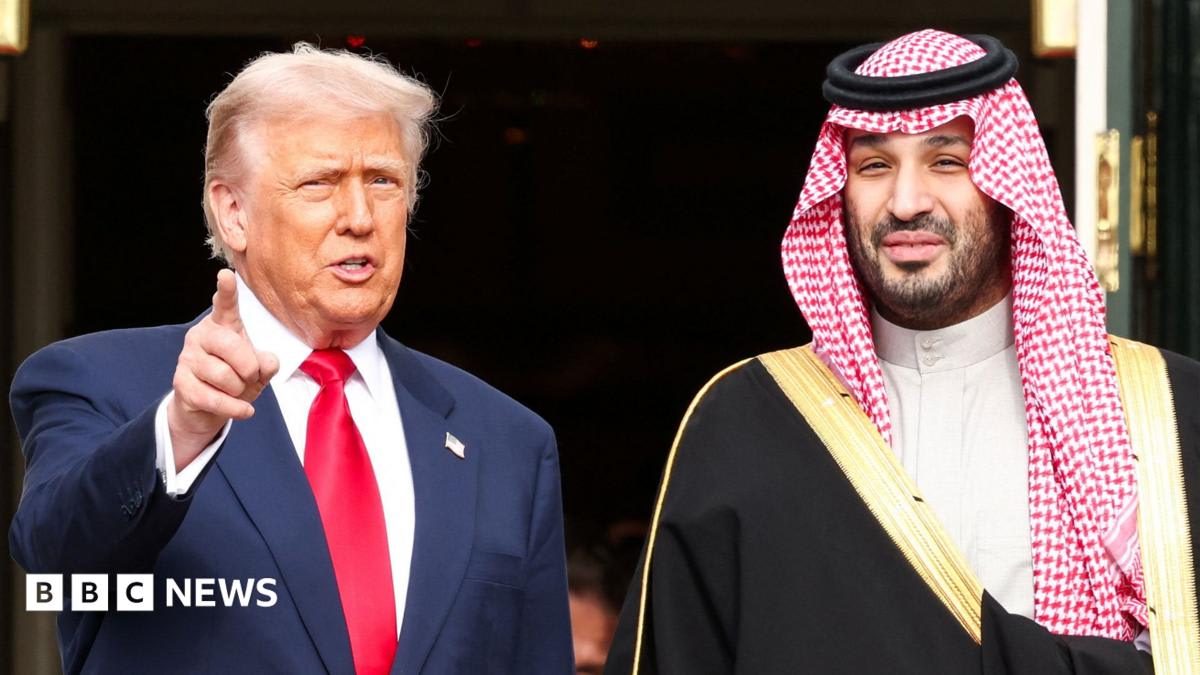
The United States signed a nuclear cooperation agreement with Saudi Arabia this week, a pact approved by President Donald Trump that the Energy Department described as a "peaceful" cooperation agreement. The department said the deal provides American companies access to Saudi Arabia's nuclear energy program, and that a bilateral safeguards agreement was signed alongside it. Together, the department said, the two agreements form the legal basis for a decades-long, multibillion-dollar partnership.
The text of the agreement has not been made public. Reuters reported the terms allow Riyadh to build reactors with U.S. technology and to enrich uranium, a process that can produce fuel for power plants but can also be used to make nuclear weapons. Foreign Policy reported the pact omits so-called gold standard nonproliferation constraints, and analysts warned that without those restrictions the deal could eventually allow Saudi Arabia to develop a warhead. Experts told the BBC that permitting Saudi enrichment would be a first for the United States and could risk future proliferation in the region.
Reaction was swift in Israel, where officials expressed fear the agreement could ignite a Middle East arms race, Reuters reported. The Saudi government said in a statement that the deal "represents an extension of existing co-operation" between the two countries in the energy sector. Trump reportedly did not require Crown Prince Mohammed bin Salman to extend diplomatic recognition to Israel as a condition of the agreement.
The context
The agreement follows a visit by the Saudi leader to Washington last November, according to the Saudi government's statement. It arrives amid an ongoing U.S.-Israeli conflict with Iran, in which the nuclear question has been central. The United States and Israel have said one reason they attacked Iran in February was to prevent Tehran from developing a nuclear weapon, something Iran denies pursuing. Saudi Arabia, a longtime U.S. ally, hosts several American bases that have come under Iranian attack, and two days before the announcement, Iran's Houthi allies in Yemen declared a "maritime blockade" against the kingdom. Crown Prince Mohammed bin Salman told CBS News in 2018 that Saudi Arabia was not seeking a nuclear weapon, but added that if Iran developed a bomb, "we will follow suit as soon as possible."
Why it matters
The deal marks a departure from longstanding U.S. nonproliferation practice. Analysts cited by Foreign Policy warned that without gold standard constraints, the agreement could open a path for Saudi Arabia to eventually build a warhead, and experts told the BBC that allowing Saudi enrichment would be unprecedented for Washington. Israeli officials fear a regional arms race, Reuters reported. The stakes are heightened by timing: the United States signed the pact while at war with Iran over Tehran's own nuclear program, potentially reshaping the security calculus across the Middle East.
What’s next
The agreement's full text has not been released, leaving key questions about enrichment terms and safeguards unresolved. What to watch: whether the administration publishes the deal's provisions, how Israel and Iran respond, and how the escalating U.S.-Iran fighting and the Houthi blockade against Saudi Arabia affect implementation. The scope and timeline of American companies' involvement in Saudi reactor construction also remain unannounced.
Sources
BBC World — US signs landmark nuclear deal with Saudi Arabia
The Energy Department says the 'peaceful' cooperation agreement gives US firms access to Saudi Arabia's nuclear energy program.
Reuters — Israelis fear Saudi nuclear deal could ignite Mideast arms race
The deal allowing Riyadh to build reactors with American technology and enrich uranium has fueled Israeli fears of a regional arms race.
Foreign Policy — Trump Approves Nuclear Deal With Saudi Arabia$ Subscription
Without 'gold standard' nonproliferation constraints, analysts warn the pact could eventually allow Riyadh to develop a warhead.
See a mistake? Report an error
 Politics & World
U.S. Intelligence Memo Warns of Advanced Iranian Plots
Axios
 Politics & World
US and Israel Weigh New Iran Strikes
Stars and Stripes
 Politics & World
Ukraine says Starlink restrictions persist despite Trump claim
BBC World
 Politics & World
U.S. Pulls Diplomats From Saudi Arabia After Houthi Strikes
CNBC Top News