US Inflation Rises to Three-Year High of 4.2%
CPI at 4.2% is the highest in three years and directly affects every American's wallet -- gas, groceries, mortgage rates. Ties the Iran war to a domestic economic impact that hits the newsletter's professional audience immediately.
The Morning Brief Desk · June 10, 2026 · Based on reporting by NPR News · Updated June 18, 2026
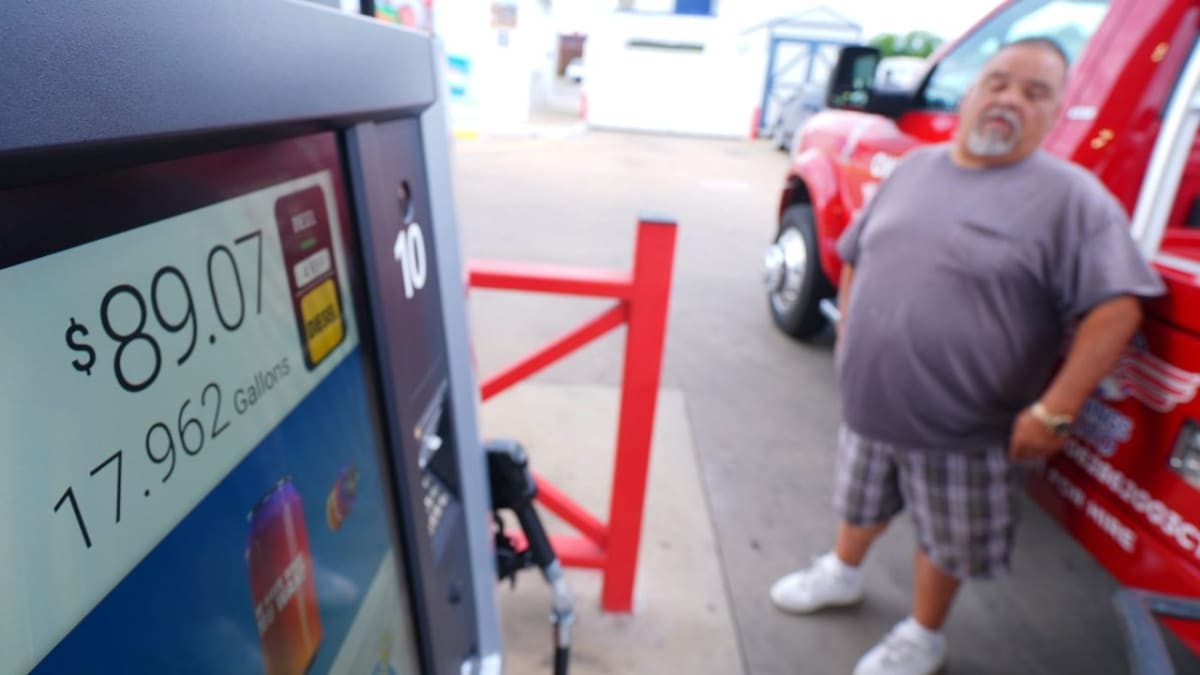
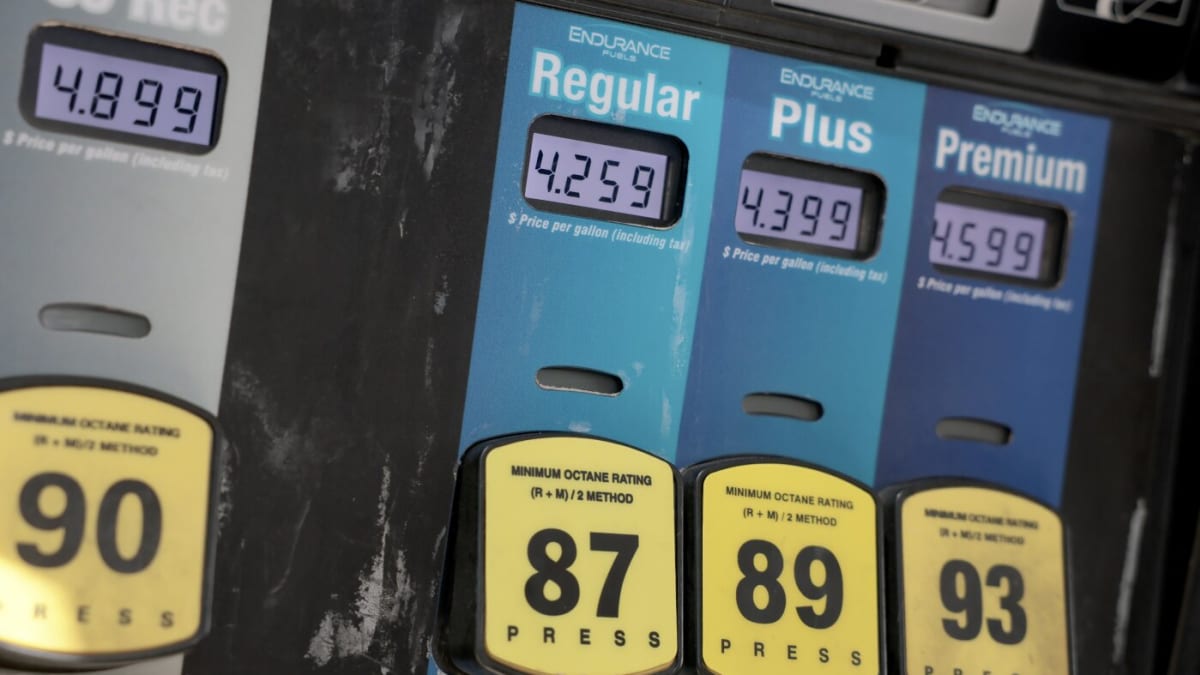
U.S. consumer prices rose 4.2% in May from a year earlier, the fastest annual pace in more than three years, the Labor Department reported Wednesday. It marked the third straight monthly acceleration. The driver: gasoline prices, which have climbed since the U.S. and Israel launched military strikes on Iran.
Energy drove much of the increase, with gasoline among the largest contributors to the May jump. Economists had expected the 4.2% figure, according to a survey ahead of the report, but the trend complicates the Federal Reserve's calculus. Policymakers must now weigh war-driven energy costs against signs of slowing growth. Higher headline inflation also hits household budgets directly -- fuel, groceries, travel -- just as the summer driving season begins.
Sources
NPR News — Inflation tops 4% for the first time in 3 years on spike in gasoline prices
Inflation has surged to its highest level in more than three years since the U.S. and Israel launched their war on Iran, triggering a surge in gasoline prices.
AP News — Economists: Inflation likely rose to 4.2% in May, the third straight monthly jump
Consumer prices probably jumped in May for the third straight month, heightening concerns for the inflation fighters at the Federal Reserve.
CNBC Top News — Here's the inflation breakdown for May 2026 -- in one chart
Inflation jumped to a three-year high in May as the Iran war continued to fuel higher energy prices.
See a mistake? Report an error