U.S. Strikes Iranian Tankers as Oil Tops $90
U.S. forces struck IRGC targets and two Iranian government tankers Tuesday, ending a month-long pause, as Iran retaliated across the region and crude oil rose above $90 per barrel.
The Morning Brief Desk · September 2, 2026 · Based on reporting by NPR News
The U.S. military carried out a new round of strikes against Islamic Revolutionary Guard Corps targets across Iran on Tuesday, resuming direct military action after a month without it. As part of the wave, U.S. forces attacked two Iranian government tankers for the first time, a step Axios reported falls under a new "tanker for tanker" policy. Axios characterized the tanker attacks as a significant escalation in the conflict, now in its seventh month.
Iran answered with missile and drone fire at sites across the region. According to CNBC, Tehran directed retaliation at Kuwait, Jordan and Bahrain, all U.S. allies. President Trump said the United States would conduct further strikes in response to Iran's retaliation, NPR reported.
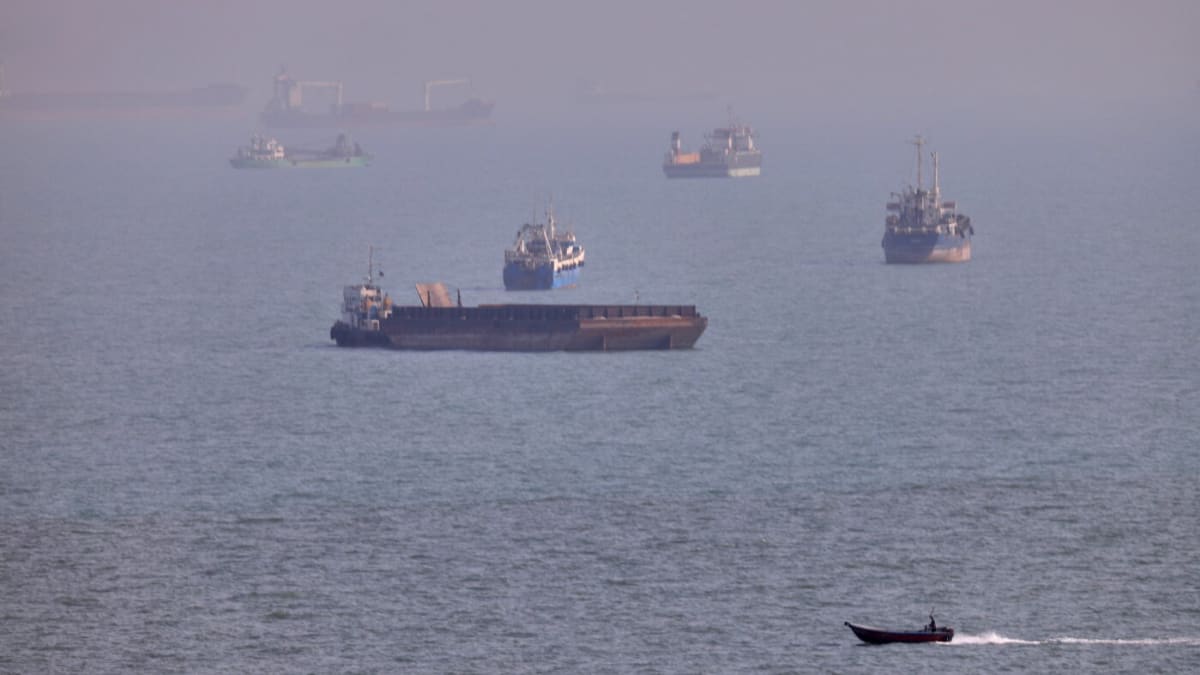
Markets reacted quickly. Crude oil climbed above $90 per barrel following the strikes. Separately, Iran said two tankers struck naval mines in the Strait of Hormuz, the waterway that connects the Persian Gulf to open seas. The reported mine incidents came amid the broader exchange of fire, though the material available does not detail the ownership of those vessels or the extent of any damage.
The context
Tuesday's strikes broke a month-long lull in direct U.S. military action against Iran. The two countries have been in conflict for roughly seven months, according to Axios, though hostilities had gone quiet for the past several weeks before this latest exchange. The decision to hit Iranian government tankers marked a departure from previous U.S. targeting, which had not included such vessels. Axios reported the tanker strikes reflect a newly adopted "tanker for tanker" approach, suggesting the policy ties U.S. action against Iranian shipping to Iranian conduct at sea, though the administration's full rationale and the policy's precise terms were not detailed in available reporting. Iran's decision to strike Kuwait, Jordan and Bahrain, as CNBC reported, widened the retaliation beyond direct U.S. targets to American partners in the region.
Why it matters
The resumption of direct strikes, combined with a first-ever U.S. attack on Iranian government tankers, moves the seven-month conflict into new territory. Iran's reported retaliation against Kuwait, Jordan and Bahrain draws U.S. allies more directly into the fighting. The economic effects are already visible: crude oil above $90 per barrel raises costs that feed into gasoline prices and inflation for American consumers. Reported mine strikes in the Strait of Hormuz, a critical route for global oil shipments, add further risk to energy markets and commercial shipping.
What’s next
Trump has pledged additional strikes in response to Iran's retaliation, so further U.S. military action appears likely, though no timing has been announced. Key open questions include whether Iran continues targeting U.S. allies, how the "tanker for tanker" policy will be applied going forward, and whether the reported naval mines in the Strait of Hormuz disrupt shipping. Oil prices will be watched closely for signs of sustained pressure on fuel costs and inflation.
Sources
NPR News — U.S. military strikes Iran, while Trump vows more for Tehran's retaliation
The U.S. military hit targets in Iran on Tuesday and Tehran fired missiles and drones at sites across the region as hostilities flare again after a month without military action.
Axios — U.S. strikes Iran tankers under new "tanker for tanker" policy
For the first time, the U.S. military attacked two Iranian government tankers as part of Tuesday's strike wave, a significant escalation in the seven-month conflict.
CNBC — Iran says two tankers have hit Hormuz naval mines, attacks regional targets in retaliation to U.S. strikes
U.S. forces completed another wave of strikes on IRGC sites across Iran; Tehran reportedly retaliated against U.S. allies Kuwait, Jordan and Bahrain as crude topped $90.
See a mistake? Report an error
 Politics & World
US and Israel Weigh New Iran Strikes
Stars and Stripes
 Politics & World
Ukraine says Starlink restrictions persist despite Trump claim
BBC World
 Politics & World
U.S. Pulls Diplomats From Saudi Arabia After Houthi Strikes
CNBC Top News
 Politics & World
Russia Frees American Stephen Hubbard After Trump Request
NPR News