U.S., Iran Exchange Fire After Month-Long Pause
U.S. forces struck two Iranian rocket launchers on Larak Island in the Strait of Hormuz on Sunday, and Iran retaliated against U.S. targets in the UAE and Jordan.
The Morning Brief Desk · August 31, 2026 · Based on reporting by NPR News
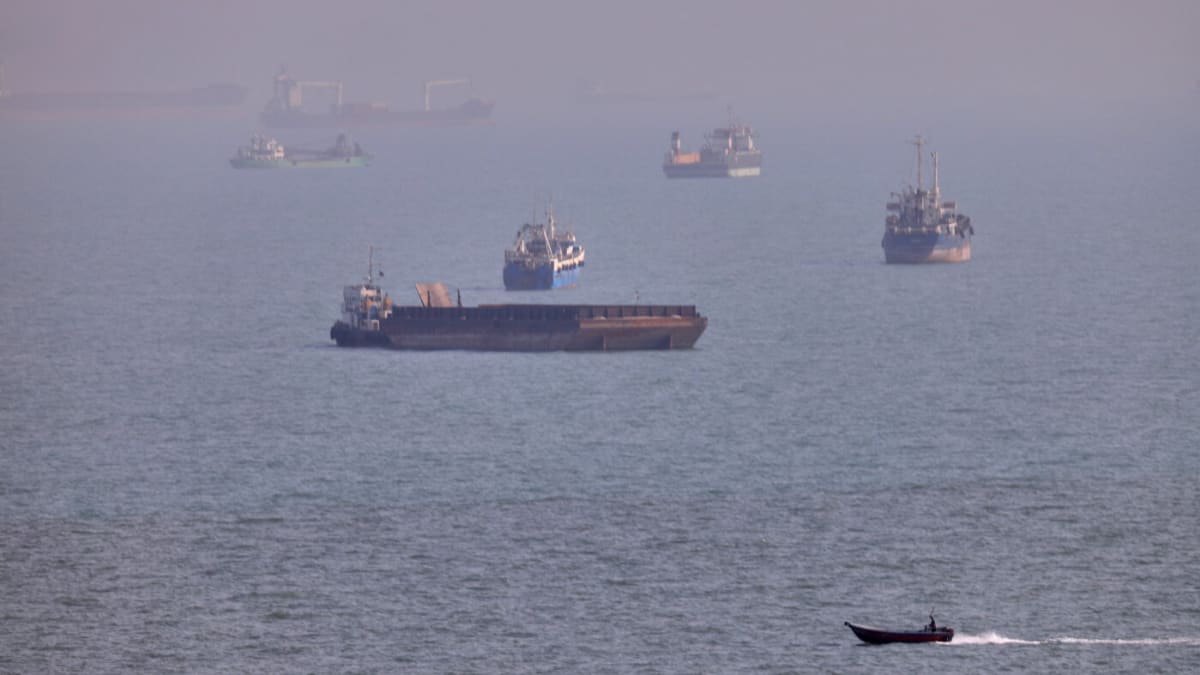
U.S. forces attacked two Iranian rocket launchers on Larak Island in the Strait of Hormuz on Sunday, the first American military action against Iran since July 29. Officials said the strikes were intended to prevent Iran from placing sea mines in the waterway, a channel used for shipping through the region.
Iran answered with attacks of its own, hitting U.S. targets in the United Arab Emirates and Jordan, according to reporting from NPR and Reuters. The exchange broke a month-long pause in direct hostilities between the two countries. NPR reported that the strikes followed weeks of U.S. threats directed at Iran, meaning the military action arrived after a period of escalating rhetoric rather than without warning.
Markets reacted quickly. Brent crude oil rose above $90 per barrel after the strikes, a move tied to the waterway's role in the confrontation. On the economic front, Treasury Secretary Scott Bessent signaled that additional sanctions are coming, aimed at banks that process Iranian transactions. That points to a two-track U.S. response: military strikes on specific hardware in the strait, paired with financial pressure designed to make it harder for Iran to move money through the international banking system.
The context
The two countries had gone a full month without direct hostilities before Sunday. The last U.S. military action against Iran came on July 29, and the period since had been marked by threats rather than strikes -- NPR reported that weeks of U.S. warnings preceded this weekend's action. The location matters to how officials explained the operation: Larak Island sits in the Strait of Hormuz, and the stated purpose of the strikes was to stop Iran from laying sea mines there. Mining the strait would threaten shipping through the waterway, which is why the strikes registered immediately in oil markets. The material available does not detail what specific Iranian activity prompted the timing of Sunday's operation, or the scale and results of Iran's retaliatory attacks in the UAE and Jordan beyond the fact that they targeted U.S. positions in those countries.
Why it matters
This is a resumption of open conflict between the United States and Iran after a month of quiet, and it now involves U.S. forces acting in the strait and U.S. targets coming under attack in two other countries. The spillover reaches consumers directly: Brent crude topping $90 per barrel signals that markets see risk to oil flows through the Strait of Hormuz, and sustained higher crude prices tend to feed into fuel costs. Bessent's sanctions signal adds a financial dimension, putting banks that handle Iranian transactions on notice that they could face U.S. penalties.
What’s next
Watch for the Treasury Department to formalize the bank sanctions Bessent signaled, though no timeline or specific targets have been announced. Key open questions include whether Iran's retaliation in the UAE and Jordan caused casualties or damage -- details the available reporting does not specify -- whether either side strikes again, and whether oil prices hold above $90 or move higher if the confrontation in the strait continues.
Sources
NPR News — Attacks flare between U.S., Iran after month-long pause
US threats erupted into strikes in the Strait of Hormuz; Iran retaliated against US targets in the UAE and Jordan in the first exchange of fire since July 29.
AP News — US forces strike Iranian rocket launchers on the Strait of Hormuz
US forces struck Iranian rocket launchers on the Strait of Hormuz in the first military action in a month, aiming to prevent the deployment of sea mines.
Reuters — US, Iran exchange fire in flare-up; Bessent signals more sanctions
US forces struck two rocket launchers on Iran's Larak Island on Sunday; Treasury Secretary Bessent signaled additional bank sanctions to squeeze Iran transactions. Brent oil topped $90.
See a mistake? Report an error
 Politics & World
US and Israel Weigh New Iran Strikes
Stars and Stripes
 Politics & World
Ukraine says Starlink restrictions persist despite Trump claim
BBC World
 Politics & World
U.S. Pulls Diplomats From Saudi Arabia After Houthi Strikes
CNBC Top News
 Politics & World
Russia Frees American Stephen Hubbard After Trump Request
NPR News