U.S. Economy Unexpectedly Sheds 23,000 Jobs in July
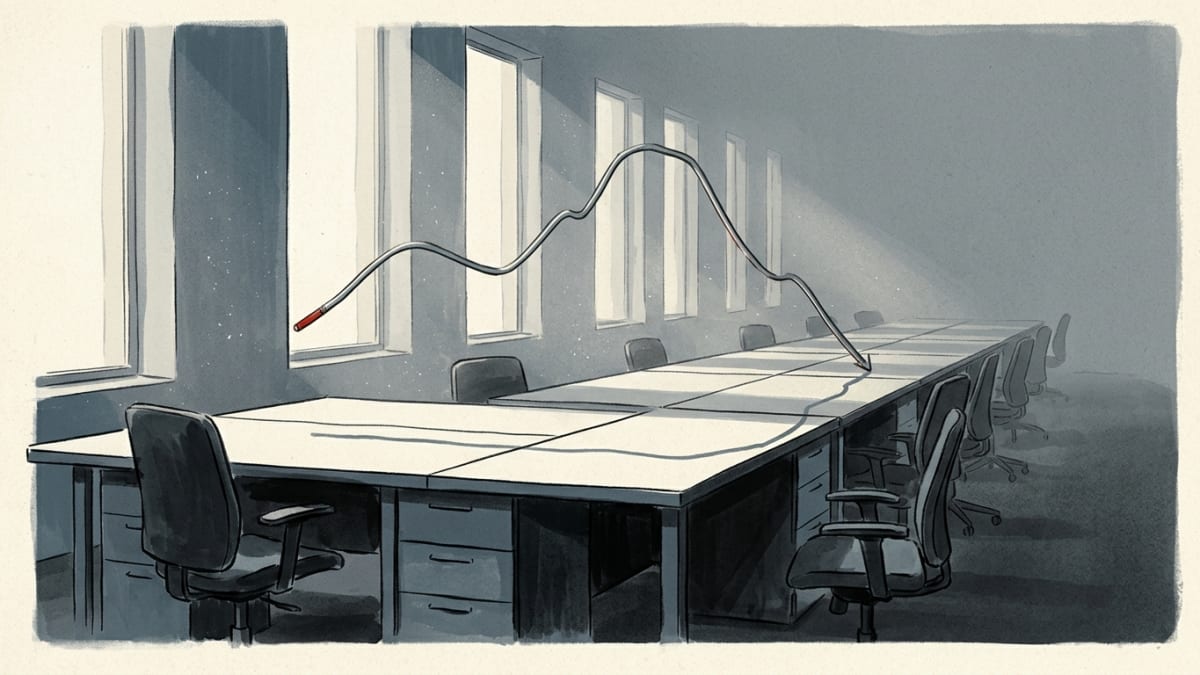
U.S. nonfarm payrolls fell by 23,000 in July, missing forecasts for a gain of about 83,000, while the unemployment rate declined over the same period.

The Morning Brief Desk · August 9, 2026 · Based on reporting by Financial Times
The U.S. economy lost 23,000 jobs in July, according to the government's latest payrolls report, a result that ran counter to expectations. Economists had forecast a gain of roughly 83,000 positions, meaning the actual figure came in more than 100,000 jobs below what forecasters anticipated.
The report did not point uniformly in one direction. Even as payrolls declined, the unemployment rate fell over the same period, a combination CNBC described as leaving investors with mixed signals about the state of the labor market. The two measures come from different surveys within the report, and the divergence complicates any simple reading of whether hiring conditions are deteriorating or holding up.
Markets reacted quickly. Traders scaled back their bets on Federal Reserve rate rises after the release, the Financial Times reported. The weaker-than-expected hiring number feeds directly into the central bank's deliberations, as officials weigh how much the labor market has cooled and what that should mean for the path of interest rates.
The context
Heading into the July report, the labor market had appeared to be regaining momentum. Data from the Bureau of Labor Statistics this spring suggested hiring was picking up, a trend that had offered some reassurance to workers and policymakers alike. Axios reported that the July figures make that spring rebound look much less convincing for workers, casting doubt on whether the improvement was durable or a temporary blip.
The report also arrives at a sensitive moment for the Federal Reserve. Officials have been assessing how much the labor market is cooling as they set policy, and the release lands amid a White House effort to remove a Fed governor, adding an unusual political dimension to the central bank's decision-making environment. Details of that effort were not elaborated in the material available.
Why it matters
The jobs report is one of the most closely watched gauges of the economy, and a miss of this size reframes the debate over where the Federal Reserve goes next on interest rates. Traders have already pared expectations for rate increases, which affects borrowing costs for households and businesses. For workers, the numbers suggest the hiring pickup seen this spring may have been weaker than it looked, dimming the near-term outlook for job seekers. And with the unemployment rate falling even as payrolls shrank, policymakers face conflicting evidence about how much slack is building in the labor market.
What’s next
Attention turns to how Federal Reserve officials interpret the conflicting signals as they weigh the pace of labor-market cooling against their rate decisions. Key open questions include whether the July decline marks the start of a sustained slowdown or a one-month anomaly, and how the divergence between falling payrolls and a lower unemployment rate resolves in future reports. Coming economic data and any Fed commentary will offer the next indications.
Sources
Financial Times — US economy unexpectedly sheds 23,000 jobs in July$ Subscription
The lackluster payrolls figure prompted traders to scale back bets on Fed rate rises.
CNBC — Here are three key takeaways from the disappointing July jobs report
Nonfarm payrolls unexpectedly declined in July while the unemployment rate also fell, leaving investors with mixed signals about the labor market.
Axios — Summer jobs report is a double whammy for workers
The labor market appeared to be gaining momentum this spring, but the latest BLS data makes that rebound look much less convincing for workers.
See a mistake? Report an error