Trump Imposes New Tariffs on 60 Trading Partners
President Trump set tariffs of 10% to 12.5% on imports from 60 countries and hit most Canadian goods with a 50% levy, drawing lawsuits within hours.
The Morning Brief Desk · July 26, 2026 · Based on reporting by AP News
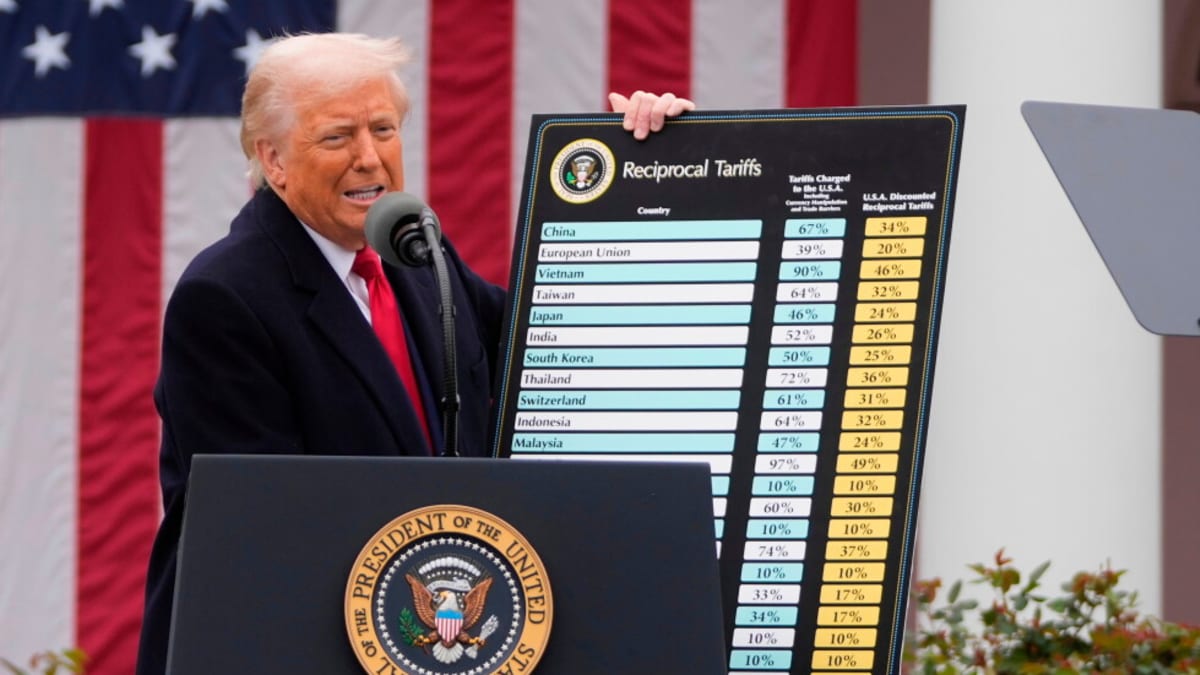
President Trump this week announced a fresh round of tariffs affecting 60 U.S. trading partners, with rates ranging from 10% to 12.5%, AP News reported. Taken together, the new levies reach nearly all goods entering the country -- 99.4% of American imports, according to AP. The administration is grounding the measures in allegations of forced labor violations, a legal rationale that differs from the one behind the tariffs the Supreme Court recently invalidated. The announcement came ahead of a deadline that fell between Friday and Sunday.
Canada received separate and steeper treatment. Trump placed 50% tariffs on the bulk of Canadian goods, with autos, alcohol and dairy among the targeted categories, the BBC reported. Canadian Prime Minister Mark Carney responded by pledging to "intensify" trade negotiations with Washington.
Opponents moved quickly. Lawsuits challenging the new tariffs were filed within hours of the levies taking effect, CNBC reported. Trade experts told CNBC they doubt the forced-labor justification will hold up once courts examine it. The speed of the litigation echoes the fate of the earlier tariff program, which reached the Supreme Court before being thrown out.
The context
The new tariffs are a replacement for an earlier set of levies that the Supreme Court struck down. Rather than abandoning the policy after that ruling, the administration reassembled a broad tariff structure within a week, this time resting it on a different legal foundation: claims that trading partners have committed forced labor violations. The material does not specify which countries face which rates within the 10% to 12.5% band, or how the forced-labor determinations were made for individual partners. The Canada measures stand apart from the 60-country package both in size -- 50% versus the lower double-digit rates elsewhere -- and in their focus on specific sectors including automobiles, alcohol and dairy. The BBC characterized the Canadian tariffs as a major escalation between the two neighbors.
Why it matters
The tariffs touch nearly every category of goods Americans import, which means the outcome of the legal fight will shape prices and supply chains across the economy. The measures also add a new inflation risk at a time when the economy is already absorbing an oil shock. For Canada, the 50% rate on autos, alcohol and dairy hits major export sectors and has already prompted a diplomatic response from Ottawa. More broadly, the episode tests whether a president can rebuild a tariff regime on new legal grounds after courts reject the original version.
What’s next
The lawsuits filed after the tariffs took effect will now move through the courts, and trade experts have flagged the forced-labor theory as vulnerable. Whether judges pause the levies while cases proceed is an open question. On the diplomatic track, Carney has said Canada will step up trade talks with the U.S., though no timeline for negotiations has been announced. How the 60 affected trading partners respond remains to be seen.
Sources
AP News — Trump imposes double-digit tariffs on countries before Friday deadline
Trump imposed new 10-12.5% tariffs on 60 trading partners covering 99.4% of US imports, citing forced labor violations, replacing levies struck down by the Supreme Court.
BBC World — Trump slaps 50% tariffs on Canada and Carney vows to 'intensify' trade talks
Trump imposed 50% tariffs on most Canadian goods, targeting autos, alcohol and dairy, in a major escalation with America's northern neighbor.
CNBC Top News — Trump sued hours after new tariffs take effect, as experts say they may not hold up
Legal challenges were filed within hours of the new tariffs taking effect, with trade experts questioning whether the forced-labor justification will survive court scrutiny.
See a mistake? Report an error