Trump Imposes 10-12.5% Tariffs on 60 Countries
New 10% to 12.5% U.S. tariffs on 60 trading partners took effect Friday, covering 99.4% of American imports and replacing the global tariff program the Supreme Court struck down.
The Morning Brief Desk · July 24, 2026 · Based on reporting by AP News
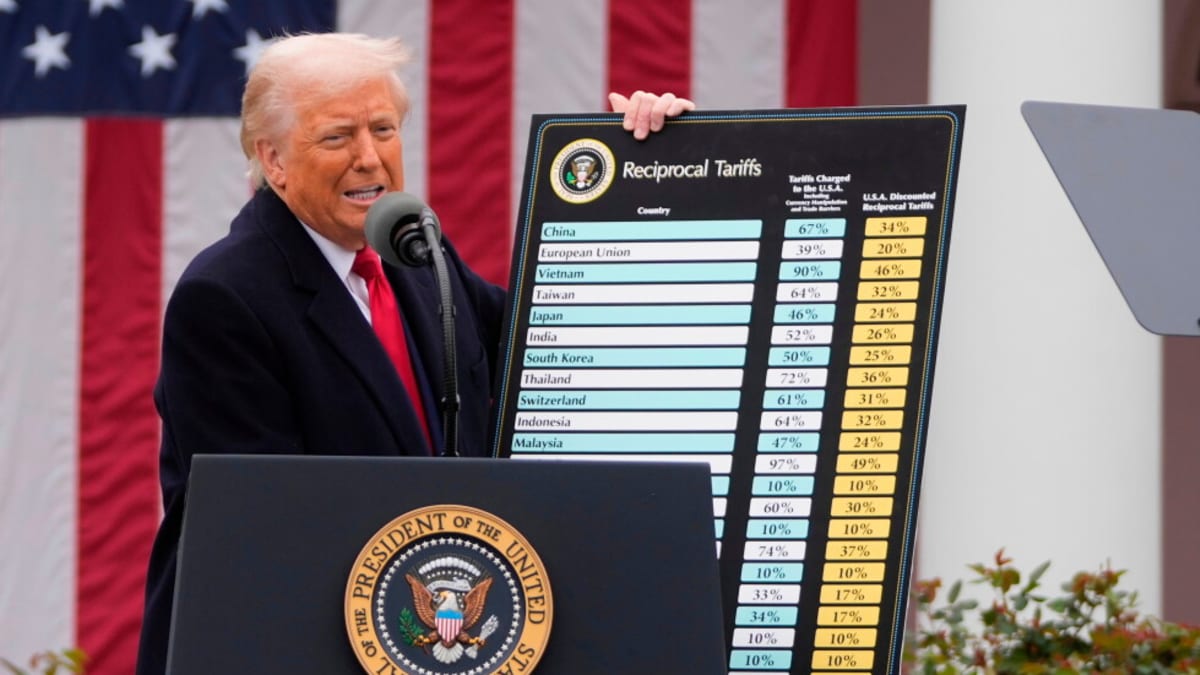
A new round of U.S. tariffs took effect Friday, applying levies of 10% to 12.5% to imports from 60 trading partners, according to AP News. The duties cover 99.4% of goods entering the United States, making the program nearly universal in scope.
President Donald Trump imposed the tariffs citing forced labor violations, a legal rationale that differs from the one behind his earlier global tariff program, which the Supreme Court invalidated. The timing was deliberate: the administration arranged for the new duties on all of its largest trading partners to begin simultaneously, just as the old program expired, NPR reported. Stopgap levies that had bridged the gap were running out, AP News reported, leaving Friday as the deadline for a replacement.
The forced-labor justification drew pushback abroad. Trading partners rejected the rationale behind the new duties, according to CNBC, though most signaled they intend to keep negotiating with Washington rather than break off talks. The material does not detail which governments objected most strongly or whether any have announced retaliatory measures.
The context
The new tariffs are the latest chapter in a trade agenda that has defined much of Trump's economic policy. His previous approach — a global tariff program applied broadly to imports — was struck down by the Supreme Court, forcing the administration to find a new legal footing. Stopgap levies kept duties in place temporarily, but those were set to lapse, creating the Friday deadline the White House built the new program around.
Rather than retreat after the court defeat, the administration constructed a replacement regime resting on forced labor violations as its justification. NPR reported that Trump has refused to abandon tariffs, which have become a pillar of his economic legacy. The result is a program that, at 99.4% of imports, covers nearly everything the United States buys from abroad.
Why it matters
Tariffs at these levels, applied to virtually all imports, affect prices for U.S. consumers and businesses across every sector of the economy. The new program also tests whether the administration can sustain broad tariffs on a fresh legal theory after the Supreme Court rejected its first attempt. How trading partners respond matters as well: their rejection of the forced-labor rationale creates friction, but their stated willingness to keep negotiating suggests the immediate risk of a wider trade rupture has not materialized.
What’s next
Negotiations between Washington and its trading partners are expected to continue, though the material does not specify timelines or venues for those talks. Open questions include whether the forced-labor justification will face legal challenges like the program it replaced, whether any countries will retaliate, and whether negotiations produce exemptions or rate changes. How the duties feed through to consumer prices will become clearer in the months ahead.
Sources
AP News — Trump imposes double-digit tariffs on countries before Friday deadline
President Trump imposed new 10-12.5% tariffs on 60 trading partners covering 99.4% of US imports, citing forced labor violations, as the clock ran out on stopgap levies struck down by the Supreme Court.
CNBC Top News — Trump's new global tariff draws rebukes from trade partners over forced-labor justification
US trading partners rejected the forced-labor rationale behind Trump's new global tariffs while most signaled plans to keep negotiating.
NPR News — Trump refuses to give up on tariffs - a pillar of his economic legacy
The administration timed new tariffs on all largest trading partners to take effect simultaneously as the old global tariff program ended following Supreme Court defeat.
See a mistake? Report an error