Supreme Court Blocks Student IDs at New Hampshire Polls
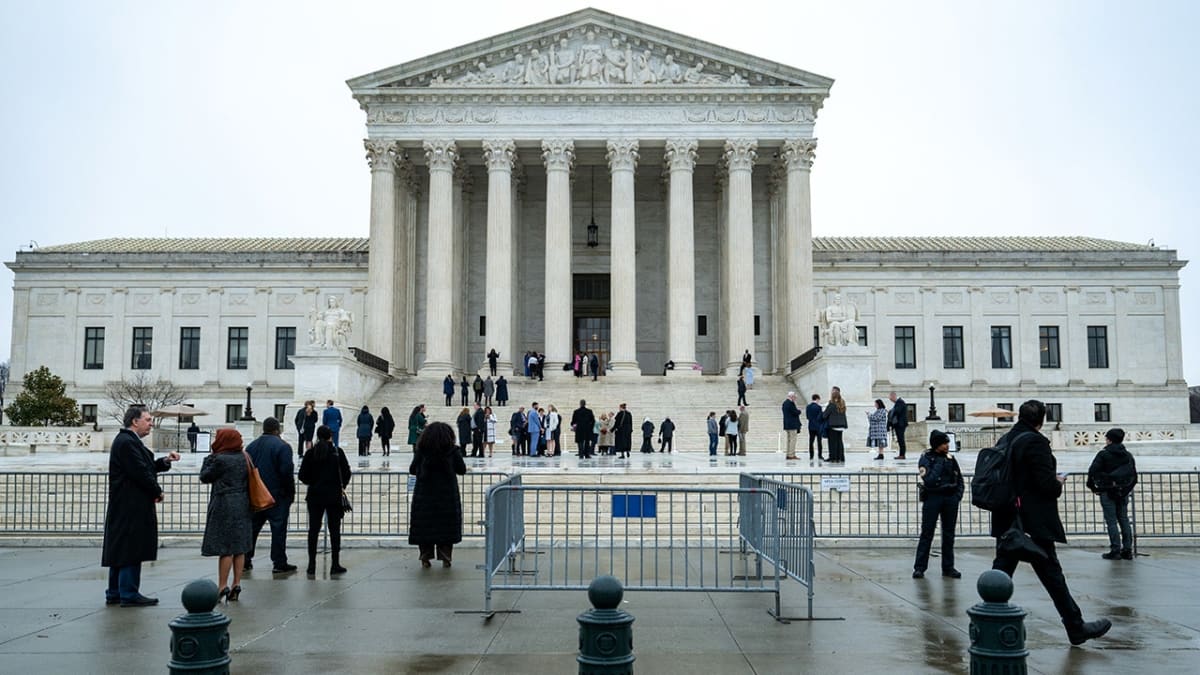
The Supreme Court ruled Thursday that New Hampshire may bar student IDs as voter identification in the midterms, granting a Republican request days before the election.
The Morning Brief Desk · October 23, 2026 · Based on reporting by The Hill
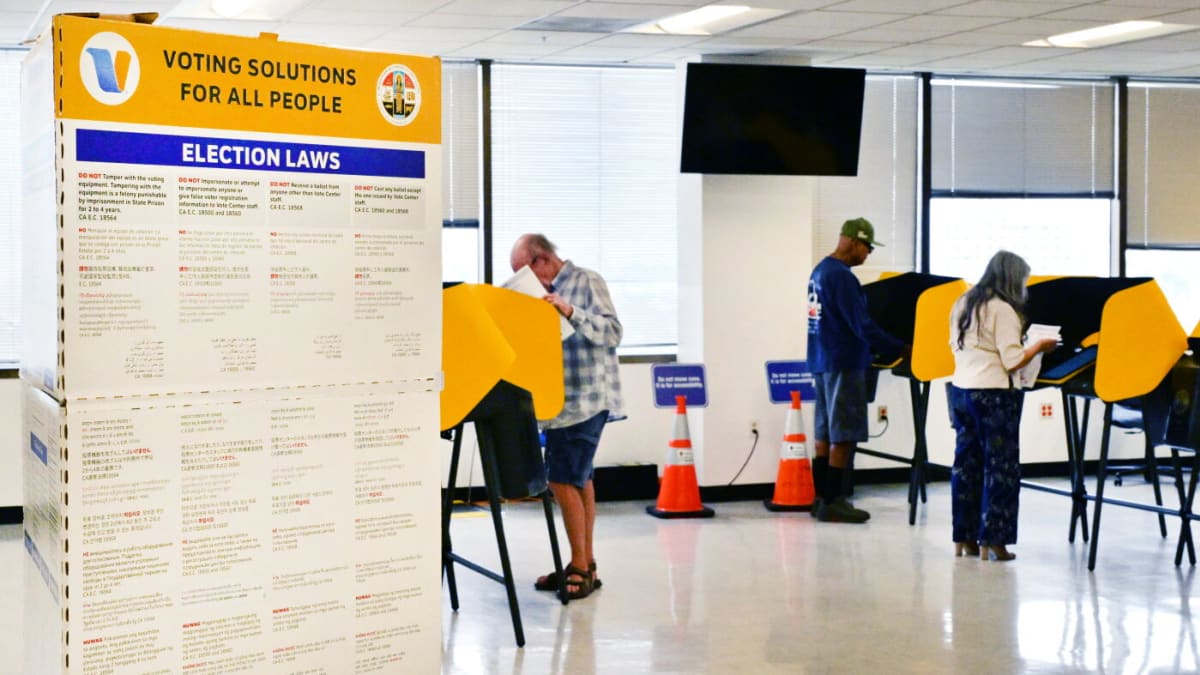
The Supreme Court decided Thursday that New Hampshire's chief election officer may refuse to accept student identification cards from voters at polling places during the midterm elections. The justices granted a request brought by Republicans, who had asked the court to disallow student IDs as a fallback option for proving identity under the state's voting rules, according to The Hill and USA Today.
In permitting the restriction, the court cited the danger of confusing voters by altering election procedures with voting so near, Fox News reported. That reasoning reflects the court's general caution about late changes to rules governing how people cast ballots.
The practical consequence is immediate. With the ruling in place before the midterms, college students in New Hampshire who had planned to present a student ID will instead need to bring a different form of identification that the state accepts. The decision resolves, at least for this election, the dispute over which documents count at New Hampshire polling places. The material available does not detail the vote breakdown among the justices, whether any wrote separately, or how the state's election office plans to communicate the change to voters before Election Day.
The context
The ruling grew out of a fight over New Hampshire's voter identification requirements, specifically whether student IDs could serve as a backup way for voters to verify who they are at the polls. Republicans took that question to the Supreme Court, asking the justices to reject student IDs in that role for the midterm elections, USA Today reported. The court sided with them. Its stated rationale, per Fox News, centered on the risk that voters would be confused if the rules shifted too close to an election, rather than on a final judgment about the underlying legality of accepting or rejecting student IDs. The source material does not describe the lower-court proceedings that preceded the request, when the dispute began, or which parties originally challenged or defended the use of student identification in the state.
Why it matters
The decision lands days before midterm voting and directly affects college-age voters in New Hampshire, a competitive state where small shifts in turnout can matter. Students who rely on campus-issued IDs must now find an alternative accepted document, a hurdle that could reduce participation among a group concentrated at the state's colleges. Beyond New Hampshire, the ruling fits into a wider national debate over voter ID laws and signals the court's continued reluctance to let election rules change shortly before voters go to the polls.
What’s next
The restriction applies through the midterm elections, so students will need an alternative accepted ID to vote. Open questions include whether the underlying legal fight over student IDs continues after the election, how New Hampshire officials will inform affected voters, and whether the ruling influences similar disputes elsewhere. None of those steps is addressed in the available material.
Sources
The Hill — Supreme Court rules NH can block voters from using student IDs
The Supreme Court on Thursday ruled New Hampshire's top election official can fully stop voters from using their student IDs when showing up to the polls in the midterms.
Fox News Politics — Supreme Court blocks use of student IDs as voter identification in New Hampshire
The Supreme Court allowed New Hampshire to reject student IDs at the polls ahead of midterm elections, warning of voter confusion too close to an election.
USA Today — Supreme Court sides with GOP in New Hampshire student ID voting fight
Republicans asked the Supreme Court to block the use of student IDs as a backup form of voter identification in New Hampshire for the midterms.
See a mistake? Report an error