Oil Tops $100 as Gas Hits $4
Brent crude climbed past $100 a barrel Thursday for the first time since May, while U.S. gasoline returned to a $4 national average amid the widening Middle East conflict.
The Morning Brief Desk · July 26, 2026 · Based on reporting by BBC World
Brent crude gained more than 6% on Thursday and finished above the $100-a-barrel threshold, a level the benchmark had not reached since May, according to BBC reporting. The catalyst was an escalation of the war in the Middle East, where the United States and Iran have been exchanging strikes.
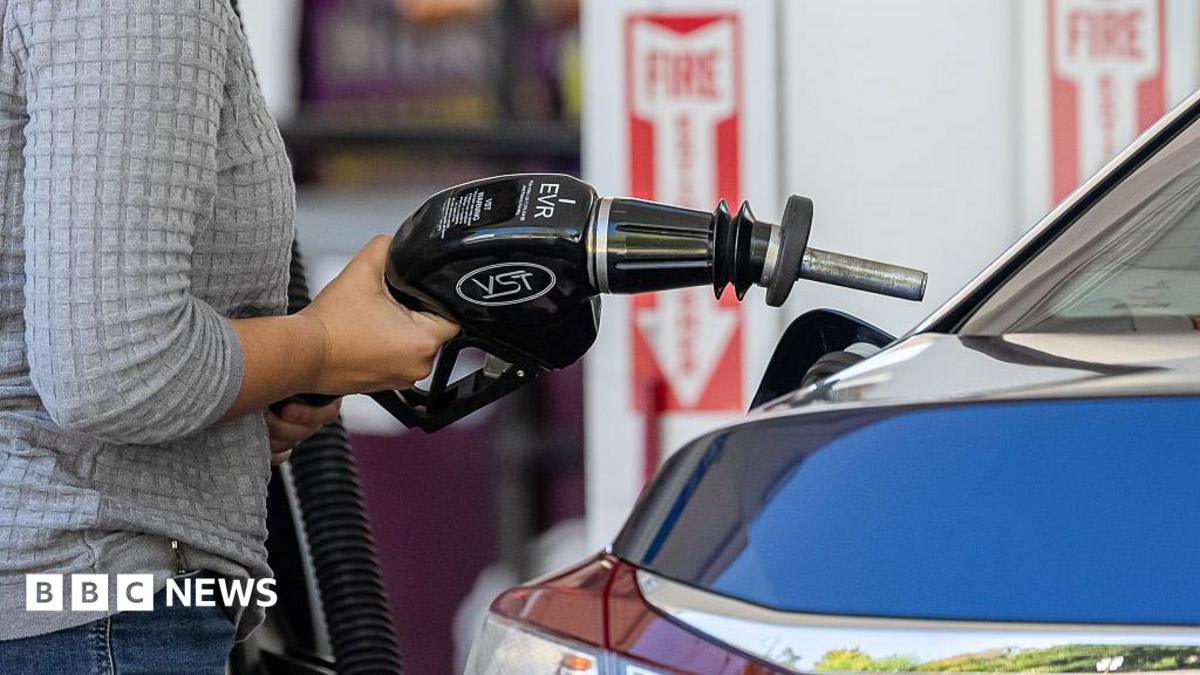
American drivers felt the effects at the same time. The average price of a gallon of gasoline nationwide moved back up to $4 this week, AP reported, tracking the run-up in crude as hostilities intensified.
Stock markets, which had spent the earlier stretch of the conflict trading with little apparent concern, reversed course once crude broke through the $100 line. Share prices declined as money managers began building the war's potential economic damage into their positions. One sentiment captured by CNBC: "It's too hard to ignore $100 oil." The combination of costlier energy and tariff-driven price pressure also prompted economists to raise the possibility of stagflation, Yahoo Finance reported, and futures traders adjusted their bets this week toward the chance that the Federal Reserve's next move could be a rate increase rather than a cut.
The context
Crude had traded below $100 since May, and equity investors had treated the Middle East fighting as a contained risk for much of its duration, according to CNBC. That calculation changed as the direct exchange of attacks between the U.S. and Iran pushed energy prices sharply higher in a single session.
The stagflation concern now circulating among economists is a revival rather than a new idea: Yahoo Finance noted that similar warnings last appeared in 2022. The current version rests on two inflation drivers arriving together, oil at triple digits and recently imposed tariffs. The material does not specify which tariffs are involved or when they took effect, nor does it detail the specific attacks that triggered Thursday's move.
Why it matters
The war's economic consequences are now reaching American households directly. Gasoline at $4 a gallon raises costs for anyone who drives, and $100 oil feeds through to shipping, manufacturing and airfares over time. For investors, the equity decline marks the end of a period in which markets largely set the conflict aside. The shift in futures pricing is arguably the most consequential change: if traders are right that the Fed may need to raise rates to counter oil- and tariff-driven inflation, borrowing costs for mortgages, credit cards and business loans could climb.
What’s next
Watch whether crude holds above $100 or retreats, and whether pump prices keep rising past the $4 average. The Federal Reserve's response is the key open question; futures markets have shifted toward pricing in a possible hike, but the Fed has announced nothing, and no meeting date or decision appears in the available material. Further escalation or de-escalation between the U.S. and Iran will likely drive both oil and equities from here.
Sources
BBC World — Oil prices hit $100 for the first time since May
Brent crude jumped more than 6% Thursday to top $100 a barrel for the first time since May as the Middle East war escalated.
CNBC Top News — Shortsighted stock market can no longer brush off war: 'It's too hard to ignore $100 oil'
Equities that had shrugged off the war tumbled after oil crossed $100, with investors finally pricing in the economic impact.
AP News — US gas prices hit an average of $4 a gallon again
The national average gas price climbed back to $4 per gallon as the US and Iran traded attacks.
Yahoo Finance — Stagflation Talk Returns as Oil Rebounds to $100 and Stocks Slide
Economists revived stagflation warnings not heard since 2022 as $100 oil and new tariffs stoke inflation fears, with markets now pricing in possible Fed rate hikes.
See a mistake? Report an error