Iran Buries Late Supreme Leader Khamenei in Mashhad
Ali Khamenei, who led Iran from 1989 until his death, was laid to rest at the Imam Reza shrine in Mashhad, closing six days of national mourning, the BBC reported.
The Morning Brief Desk · July 10, 2026 · Based on reporting by BBC World · Updated July 13, 2026
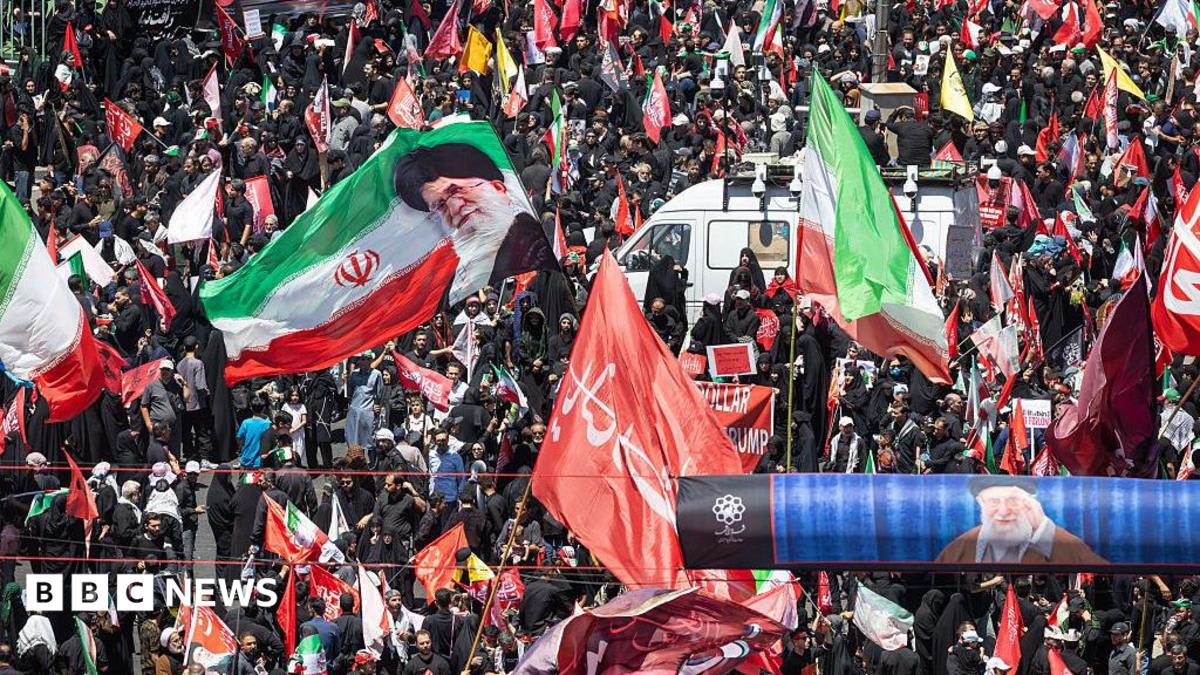
Iran buried its late supreme leader, Ali Khamenei, at the Imam Reza shrine in the northeastern city of Mashhad, according to BBC coverage. Large numbers of mourners filled the city as the interment took place, the broadcaster reported.
The burial marked the conclusion of six days of public mourning observances held across the country following Khamenei's death. The choice of resting place carries religious weight: the Imam Reza shrine is considered the holiest Shia Muslim site in Iran.
Khamenei had held the position of supreme leader since 1989, a tenure that made him one of the longest-serving heads of state in the region. The BBC characterized the scale of the crowds in Mashhad as a sign of the burial's significance for the country. Details beyond the ceremony itself -- including the full list of attendees and the specifics of the proceedings -- were not included in the available reporting.
The context
Khamenei assumed Iran's top post in 1989 and remained in it for the rest of his life, giving him more than three decades at the head of the Islamic Republic. As supreme leader, he occupied the most powerful office in Iran's political system. His death set off a formal mourning period that lasted six days and culminated in the Mashhad ceremony.
The burial site connects his legacy to one of Shia Islam's most revered locations. The Imam Reza shrine draws religious significance as Iran's holiest Shia site, and Mashhad, where it stands, became the focal point of the final public observances. The reporting available does not address the circumstances of Khamenei's death or the process for naming a successor.
Why it matters
The death of a leader who held power for more than 30 years is a turning point for Iran, a country of central importance to Middle East politics. Khamenei's longevity in office meant that most Iranians alive today had known no other supreme leader for much of their lives. The size of the crowds in Mashhad, as described by the BBC, suggests the moment resonated broadly inside the country. How Iran's leadership transition unfolds will shape the country's direction at home and abroad.
What’s next
The available material does not say who will succeed Khamenei or how the transition will proceed, making the succession the central open question. Watch for announcements from Iranian authorities on the next supreme leader and any changes in government posture during the interim. With the formal mourning period now ended, attention is likely to shift to those decisions.
Sources
BBC World — Huge crowds in Mashhad as Iran's late supreme leader is buried
Ali Khamenei was buried at the Imam Reza shrine, Iran's holiest Shia Muslim site, ending six days of public mourning ceremonies.
See a mistake? Report an error
 Politics & World
US and Israel Weigh New Iran Strikes
Stars and Stripes
 Politics & World
Ukraine says Starlink restrictions persist despite Trump claim
BBC World
 Politics & World
U.S. Pulls Diplomats From Saudi Arabia After Houthi Strikes
CNBC Top News
 Politics & World
Russia Frees American Stephen Hubbard After Trump Request
NPR News