Feds Order Colorado River Water Cuts for Three States
Federal officials said three Western states dependent on the Colorado River will face reduced water deliveries over the next two years, citing severe drought, the Associated Press reported.
The Morning Brief Desk · August 22, 2026 · Based on reporting by AP News
The federal government has formally imposed reductions in Colorado River water deliveries affecting three Western states, with the restrictions set to run for two years, according to the Associated Press. Officials tied the decision to the severity of drought conditions gripping the river system.
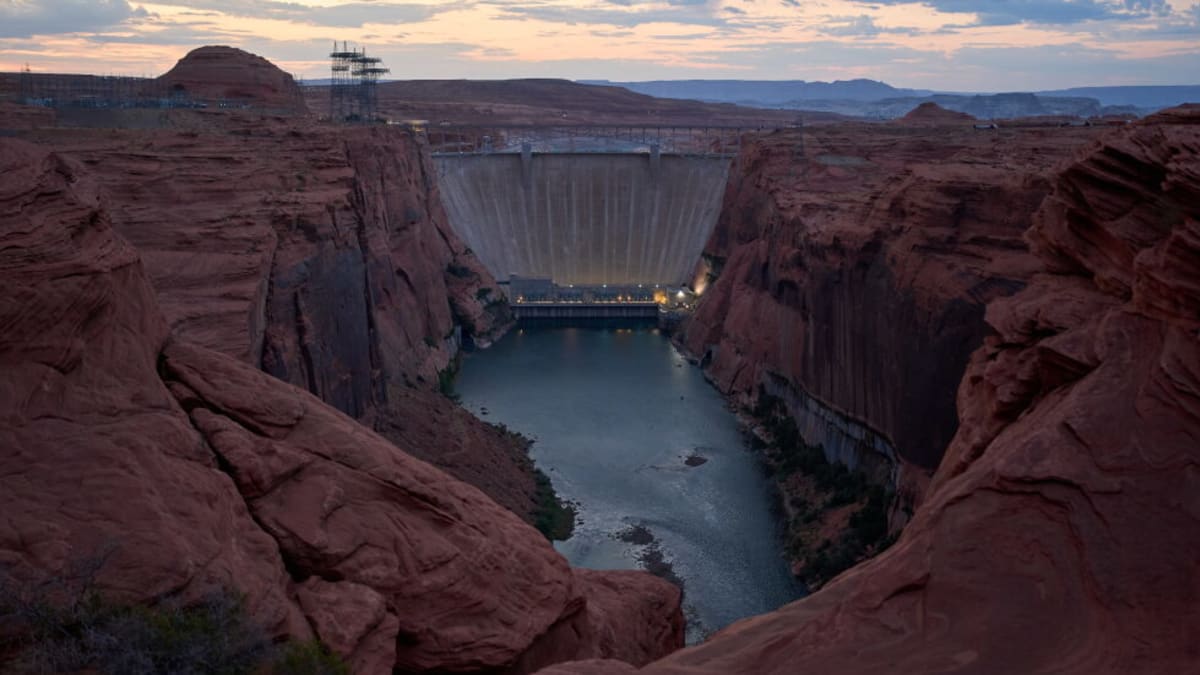
The announcement centers on states that draw supplies from the Colorado River, a waterway federal officials have described as imperiled. The Bureau of Reclamation, the agency that manages major water infrastructure in the region, and the states of Arizona, Nevada and California are the parties at the center of the decision.
The federal move arrives as independent analysis suggests the region's voluntary conservation work is falling well short of what the river requires. A review published by The Conversation concluded that the combined effect of current plans and pledges to cut consumption adds up to less than half of the reduction needed to keep water moving through the system. The same analysis found that closing the rest of that gap will require steeper cutbacks than anything now on the table. The material available does not specify the exact volume of the newly ordered reductions or how they will be divided among the affected states.
The context
The Colorado River supplies water to roughly 40 million people across the Southwest, making federal management decisions about the river consequential for a wide swath of the country. Drought has strained the system, and federal officials framed the newly announced cuts as a response to those conditions.
States and water users across the basin have pursued conservation measures for some time, but those efforts have not kept pace with the river's decline. The Conversation's analysis found that even when every existing commitment to reduce use is counted, the total savings amount to less than half of what is needed to sustain flows. That shortfall forms the backdrop for the federal government's decision to mandate reductions rather than rely solely on voluntary measures. Details on how the two-year cuts compare to prior restrictions were not included in the material available.
Why it matters
Water from the Colorado River supports about 40 million people, along with agriculture, housing and energy production across the Southwest. A binding two-year reduction in deliveries to Arizona, Nevada and California directly affects how much water those sectors can count on. The gap identified by The Conversation matters too: if current conservation covers less than half of what the river needs, the states face pressure to find deeper savings beyond what the federal government has now ordered. How that burden gets distributed will shape farms, cities and utilities throughout the basin.
What’s next
The federally ordered reductions will govern deliveries to the three states for the next two years. Key open questions include how each state will absorb its share of the cuts and whether basin users will agree to the additional savings The Conversation's analysis says are still needed. Watch for state-level responses and any new conservation agreements aimed at closing the remaining shortfall. Longer-term arrangements beyond the two-year window have not been announced in the material available.
Sources
AP News — Amid dire drought on the Colorado River, federal officials announce water cuts to three states
Federal officials announced sharp water cuts for the next two years for three Western states that rely on the imperiled Colorado River.
The Conversation — Colorado River water conservation efforts get only halfway to a solution
Existing plans and commitments to reduce water use don't add up to even half the savings needed to keep the river flowing.
See a mistake? Report an error