DOJ Files First Petition in Dormant Deportation Court
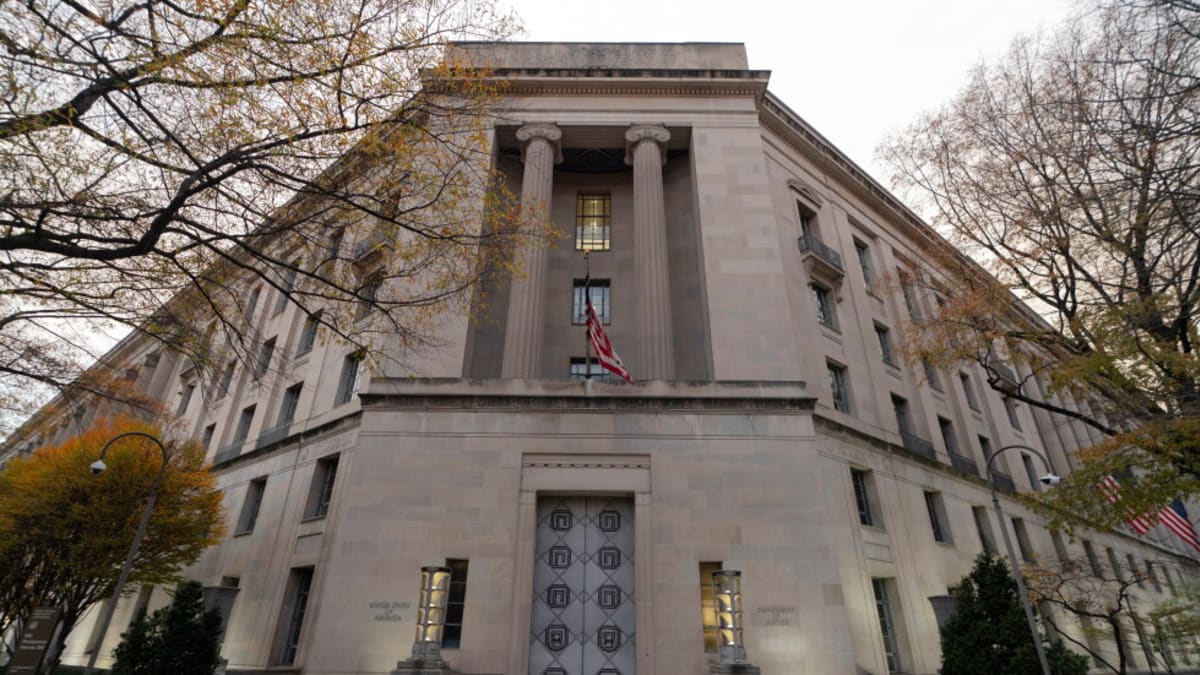
The Justice Department filed the first petition ever brought to the Alien Terrorist Removal Court, a 30-year-old federal body that had never heard a case, seeking to deport an unnamed noncitizen.
The Morning Brief Desk · July 20, 2026 · Based on reporting by AP News
The Justice Department has filed a petition with the Alien Terrorist Removal Court, marking the first time any administration has brought a case to the secretive federal body in its 30-year existence. The filing asks the court to authorize the deportation of a noncitizen who has not been publicly identified.
The court was established three decades ago to review government requests to remove noncitizens designated as "alien terrorists" from the United States. Despite that mandate, it sat idle for its entire history. No administration -- Democratic or Republican -- had ever tested the process before this petition, according to AP News and Axios, which both reported on the filing.
Because the court has never operated, there is no precedent for how its proceedings will unfold or how quickly a case might move. Axios reported that the untested process could give the administration a powerful new tool for deportations. Key details remain unknown, including the identity of the person named in the petition, the basis for the government's terrorism designation in this case, and the timeline the court will follow now that it has its first matter before it.
The context
Congress created the Alien Terrorist Removal Court roughly 30 years ago as a specialized venue for one narrow purpose: weighing government requests to deport noncitizens the government designates as "alien terrorists." In the decades since, the mechanism went entirely unused. No Justice Department under any president filed a single petition, leaving the court dormant from its creation until now.
That history makes the current filing a first in every sense. There are no prior rulings from the court, no established procedures shaped by actual cases, and no track record showing how judges assigned to it handle the government's evidence or a respondent's defense. The Trump administration's decision to activate the court moves a long-theoretical legal pathway into practice, with the Department of Homeland Security among the entities involved in the broader deportation effort, according to the reporting.
Why it matters
Activating a court that has never functioned opens a new legal channel for removing noncitizens from the United States, one whose rules and limits have never been tested in practice. Axios reported the process could become a significant deportation tool for the administration if it succeeds. Because the court is secretive by design and the respondent in this first case is unnamed, the filing also raises questions about transparency and due process that courts may soon have to answer. How this initial petition is handled could shape whether the government returns to the court with more cases.
What’s next
The court must now act on the government's petition, though it is unclear how or when proceedings will begin, given the body has never handled a case. Watch for the identity of the noncitizen to become public, for any legal challenges to the process, and for signals about whether the administration intends to file additional petitions. The outcome of this first case will likely determine whether the court remains a one-time venue or becomes a regular tool.
Sources
AP News — DOJ activates untested court for 'alien terrorist' deportations
The Justice Department filed a first-ever petition to a secretive, dormant court created 30 years ago to weigh government requests to deport so-called 'alien terrorists' from the United States.
Axios — Trump's DOJ turns to a never-used court for its next deportation fight
The DOJ is asking the never-before-used federal court to remove an unnamed noncitizen, a first use of a 30-year-old process that could give the administration a powerful new deportation tool.
See a mistake? Report an error
 Politics & World
US and Israel Weigh New Iran Strikes
Stars and Stripes
 Politics & World
Ukraine says Starlink restrictions persist despite Trump claim
BBC World
 Politics & World
U.S. Pulls Diplomats From Saudi Arabia After Houthi Strikes
CNBC Top News
 Politics & World
Russia Frees American Stephen Hubbard After Trump Request
NPR News