China Fires Ballistic Missile Into South Pacific
China test-fired a nuclear-capable ballistic missile with a dummy warhead into the South Pacific, drawing condemnation from Australia, Japan and Pacific island nations on the day Australia and Fiji signed a defense treaty.
The Morning Brief Desk · July 7, 2026 · Based on reporting by NPR News · Updated July 13, 2026
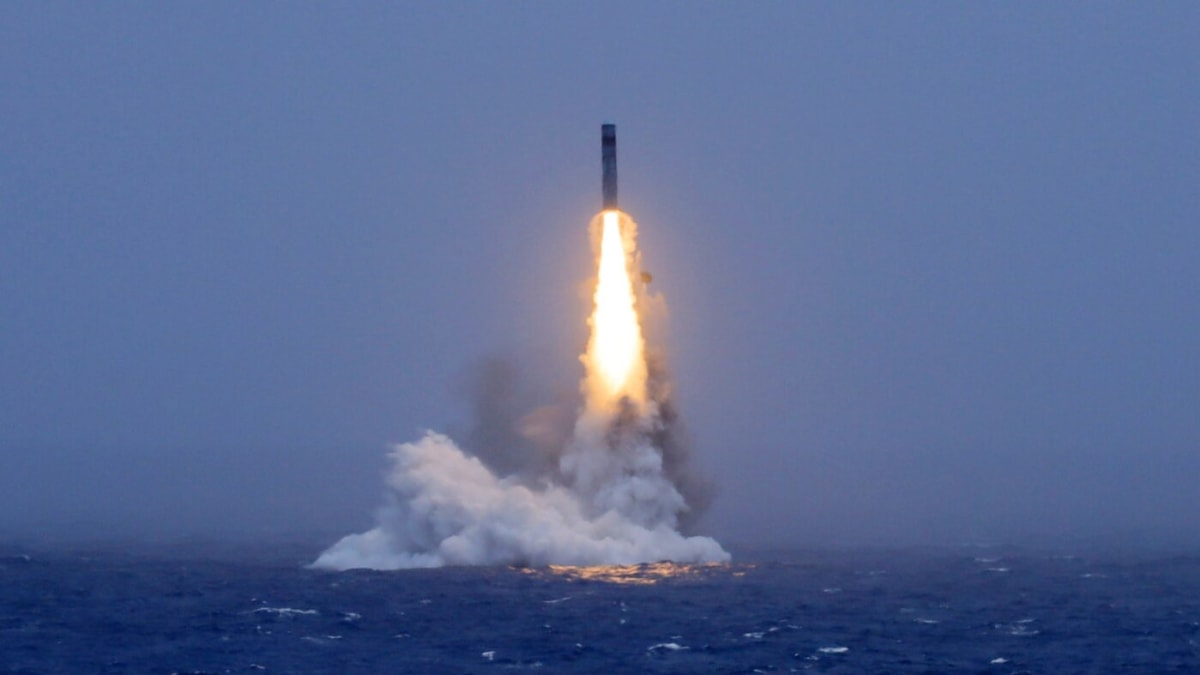
China launched a nuclear-capable ballistic missile into the South Pacific, a test that prompted criticism from Australia, Japan and several Pacific island governments. The missile carried a dummy warhead and, according to China's People's Liberation Army Navy, was fired from a Type 094 Jin-class ballistic missile submarine as part of what Beijing called a routine annual training exercise, Fox News reported.
The test came on the same day Australia and Fiji signed a mutual defense treaty intended to counter Chinese influence in the region, NPR reported. Australian Prime Minister Anthony Albanese said the missile could have caused "considerable damage" had it been weaponized. The prime minister of Solomon Islands said he does not want to see more countries testing intercontinental ballistic missiles in the Pacific, telling China: be our friend but don't threaten us, according to The Guardian.
Beijing pushed back on the criticism. Chinese foreign ministry spokesperson Mao Ning said the launch was part of China's annual military training program and that China hopes other countries "will not read too much into it."
The context
China's public acknowledgment of the launch was itself unusual. Fox News described it as a rare admission of the country's sea-based nuclear capabilities, coming as U.S. allies deepen security ties across the Indo-Pacific and as NATO leaders prepare to meet in Ankara. The Australia-Fiji treaty signed the same day reflects a broader effort by Canberra to shore up defense relationships with Pacific island nations amid concern over Beijing's growing presence in the region. According to Fox News, the Pentagon has long identified China's development of a more survivable, sea-based nuclear force as a major long-term concern. Submarine-launched ballistic missiles are harder to detect and destroy than land-based systems, which makes them a more resilient element of a nuclear arsenal and, over time, could let Chinese submarines threaten targets from a wider range of patrol areas without venturing into more exposed waters.
Why it matters
The test signals China's willingness to demonstrate its nuclear reach in a region where the United States and its allies are actively building defense ties, and its timing alongside the Australia-Fiji treaty sharpened that message. For Pacific island nations, the launch landed in waters they consider their neighborhood, prompting the Solomon Islands' unusually direct rebuke. A demonstrated sea-based launch capability also bears on U.S. Indo-Pacific strategy, since submarine-fired missiles are among the hardest nuclear assets to counter before launch.
What’s next
NATO leaders are set to meet in Ankara, where the launch and Beijing's military ambitions are expected to feature in discussions among allies, according to Fox News. Open questions include whether China will conduct further tests in the Pacific and how Pacific island governments respond diplomatically. The material does not indicate any scheduled follow-up actions by Australia, Japan or the affected island nations beyond their public statements.
Sources
NPR News — China test-launches a ballistic missile in the South Pacific and raises regional concerns
The launch, using a dummy warhead, took place the same day Australia and Fiji signed a mutual defense treaty meant to counter Chinese influence in the Pacific.
The Guardian World — Australian PM says Chinese missile test could have caused 'considerable damage' if weaponised
Solomon Islands prime minister says he doesn't want to see more countries testing ICBMs in Pacific, adding 'be our friend but don't threaten us.'
Fox News Politics — China launches rare submarine ballistic missile as Pacific allies strengthen defense ties before NATO summit
China's rare submarine-launched ballistic missile test into the Pacific Ocean drew sharp rebukes from Australia and Japan ahead of NATO's Ankara summit.
See a mistake? Report an error