Brent Crude Tops $100 After Red Sea Attacks
Brent crude rose more than 6% Thursday to top $100 per barrel for the first time since May after Houthi fighters struck two Saudi oil tankers in the Red Sea.
The Morning Brief Desk · July 24, 2026 · Based on reporting by BBC World
Brent crude, the global oil benchmark, climbed more than 6% Thursday and crossed $100 per barrel for the first time since May after Houthi fighters in Yemen attacked two Saudi oil tankers in the Red Sea. The strikes extended the broader U.S.-Iran conflict to a new front and threatened a key export route Saudi Arabia has used to bypass the Strait of Hormuz, the BBC reported.
The price move followed several days of increases as the U.S. stepped up military strikes against Iran. President Trump vowed to punish Iran and the Houthis for the tanker attacks, promising "major military punishment," Reuters reported.
U.S. stocks, which had largely held flat as the conflict intensified, fell Thursday after crude broke the $100 mark. Investors who had looked past the war's earlier stages said its economic impact could no longer be dismissed, with one telling CNBC it is "too hard to ignore" oil at $100. Energy costs are rising elsewhere too: the benchmark UK gas price stands at roughly 150 pence per therm, up from about 98 pence at the end of June, according to the BBC.
The context
The U.S. and Israel began military action against Iran on Feb. 28, according to the BBC. Oil prices had been falling after a temporary ceasefire between the U.S. and Iran, dropping back to levels last seen before the strikes began. That ceasefire has since failed, and U.S. Secretary of State Marco Rubio said this week that Iran's leadership was "not ready to make a deal."
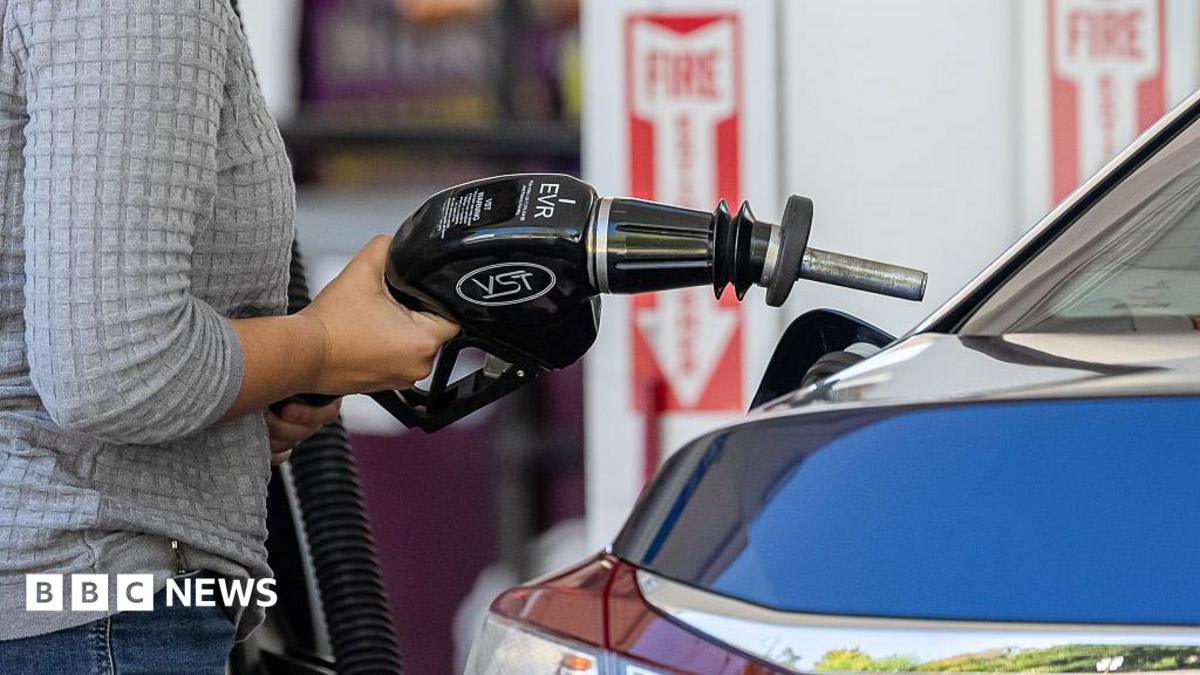
Fuel prices have been climbing for weeks. UK petrol has risen 5 pence a litre since the start of July to nearly 1.56 pounds, with diesel averaging 1.72 pounds, according to the RAC. In the U.S., average gasoline prices have moved back above $4 a gallon, up from $3.92 a month earlier, per motorist group AAA. Inflation had been cooling in both countries, falling to 2.6% in the UK in the year to June and 3.5% in the U.S., helped in part by slowing fuel prices.
Why it matters
Oil at $100 a barrel feeds directly into what consumers pay at the pump and can push up the cost of food and other goods as businesses pass along higher transportation expenses. That threatens to reverse the recent slowdown in inflation in both the U.S. and UK, complicating decisions for central banks including the Federal Reserve. Jonathan Raymond of Quilter Cheviot said pricier fuel can "ripple through the wider economy." The Red Sea attacks also mark a material widening of the conflict, putting a major Saudi export route at risk and raising fears about global energy supplies.
What’s next
Trump's promise of military punishment for Iran and the Houthis raises the prospect of further escalation, though no specific operations have been announced. Key questions include whether Red Sea shipping and Saudi exports face continued disruption, whether oil holds above $100, and how sustained higher energy prices affect inflation readings and central bank policy in the U.S. and UK. Rubio's comment that Iran's leaders are not ready to make a deal suggests no near-term diplomatic resolution.
Sources
BBC World — Oil prices hit $100 for the first time since May
Brent crude rose more than 6% on Thursday as the Middle East war escalates, hitting $100/barrel for the first time since May.
Reuters — Trump vows to punish Iran and Houthis for attacks in Red Sea
Trump promised 'major military punishment' for Iran and Houthi allies after Yemeni fighters struck two Saudi oil tankers in the Red Sea, extending the Middle East war to a new front.
CNBC Top News — Shortsighted stock market can no longer brush off war: 'It's too hard to ignore $100 oil'
After staying flat as the US-Iran war heated up, equities tumbled Thursday after oil crossed $100/barrel, with investors now unable to ignore the economic impact.
See a mistake? Report an error